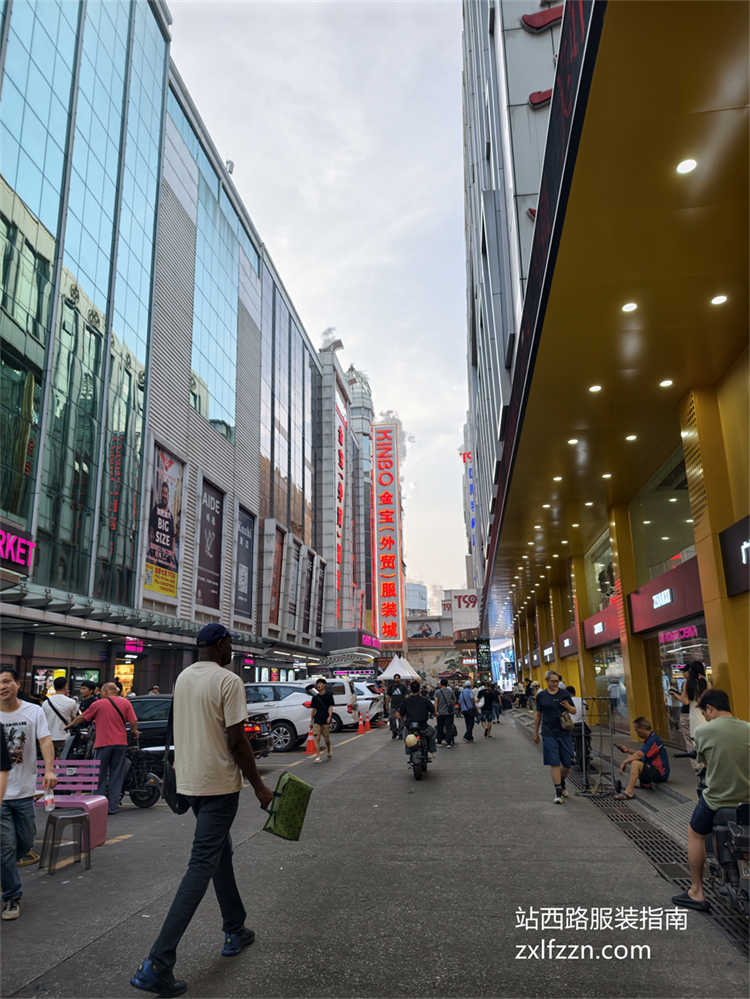
From Nanjing to Guangzhou: My Real Talk on Sourcing at Zhanxi
Listen, I've been standing in the same spot in the Zhanxi district for over fifteen years. When you hear "Guangzhou Zhanxi Clothing Market," most people think of cheap junk or a chaotic mess. That's what the tourists see. But if you're coming all the way from places like Nanjing, or even flying in from overseas, you need to know that this place is the beating heart of global apparel supply chains. It's not just about buying clothes; it's about understanding the pulse of the industry. I'm going to walk you through exactly how to navigate this maze without getting ripped off, using my own experience as a local shop owner who has seen it all.
The Reality of the Journey
First, let's talk about the trip. If you are traveling from Nanjing to Guangzhou Railway Station, you are already halfway there. The station itself is a gateway, but your real destination is the cluster of buildings surrounding it. Don't expect a polished mall experience. Zhanxi is raw, functional, and incredibly fast-paced. When you step out of the train, the air changes. It smells like fabric steamers and fresh coffee. This is where the action happens. Many buyers make the mistake of trying to rent a fancy hotel nearby and staying there while they work. Wrong move. You need to be on the ground, sweating with the traders, feeling the temperature of the market. The best deals aren't found in showrooms; they are found in the back rooms of these towering wholesale complexes.
Navigating the Zhanxi Complex: Where to Actually Go
The Zhanxi area isn't one single building; it's a network of giants. If you are looking for Guangzhou Zhanxi clothing, you need to know which tower holds what. Most newcomers get lost in the confusion between Baoguang, Jinbao, and the newer towers. Let me break down the hierarchy so you don't waste time.
The Powerhouses: Baoguang and Jinbao
If you want high-volume, trend-driven fashion, head straight for Baoguang International Trade City. This is the crown jewel. Inside, the layout is a bit of a puzzle, but once you find your rhythm, it's gold. For those specifically hunting for Zhanxi foreign trade goods, the lower floors of Baoguang are packed with exporters who have direct lines to factories in Foshan and Dongguan. They sell "export surplus" and "original samples." Be careful here; some stalls mix low-quality domestic stock with genuine export items. Always ask for the factory tag.
Then there is Jinbao Foreign Trade City. As the name suggests, Jinbao foreign trade is their specialty. This place is legendary for its European and American style exports. If you are sourcing for a boutique in New York or London, this is your first stop. The vendors here speak better English than anyone else in the district because they deal with international clients daily. However, the prices here are slightly higher than the generic stalls because the quality control is stricter. I recommend starting your day at Jinbao to set your baseline for quality, then moving to Baoguang to compare bulk pricing.
The Hidden Gems: Lower Floors and Back Alleys
Don't ignore the older buildings like the Zhanxi Building or the smaller structures tucked behind the main towers. These are where the real manufacturers keep their overflow stock. I once found a supplier in a tiny alleyway near the Zhanxi subway exit who had a warehouse full of 100% cotton denim jackets that were identical to a brand selling for $150 in Seoul. He was selling them for $18. Why? Because he didn't have a website. This is the secret of Zhanxi: the best inventory often hides in plain sight, away from the flashy signage.
The Art of Negotiation and Sampling
You cannot walk into Zhanxi expecting to buy retail. The culture here is strictly B2B. Even if you are a small business owner, you must act like a wholesaler. Here is my personal playbook for dealing with stall owners.
Reading the Room: How to Spot a Fake
When you approach a stall, look at the floor. If the floor is covered in boxes and workers are constantly packing, that's a good sign. If the floor is clean and the staff is just chatting, run. A real Guangzhou Zhanxi clothing supplier is busy. When you ask for a sample, do not say "I want to see." Say, "Show me the latest batch from the factory." This signals you know the supply chain. In my experience, asking for the "factory batch" gets you access to the actual production line photos, not just the marketing shots.
The Price Game: Data-Driven Bargaining
Let's talk numbers. A common tactic is to offer a price that is too low to insult the seller. Instead, use data. If I see a jacket listed at 80 RMB, I don't start at 40. I start at 65 and explain why. I tell them, "I am planning a 500-piece order, but I need to test the quality first. If this sample passes, we can discuss the volume discount." This works because it shows intent. I once saved 15% on an order of silk blouses by pointing out that the stitching density was slightly lower than the previous season's standard. The owner immediately adjusted the price to match the new quality tier. Honesty about flaws builds trust faster than pretending everything is perfect.
Quality Control: The "Touch Test"
Never rely on the camera. Fabric feels different under pressure. When I inspect goods, I pull the seams, stretch the hem, and check the lining. At Zhanxi, many suppliers use "mixed fabrics" – polyester blended with cotton but labeled as pure cotton. To catch this, bring a lighter (safely) and burn a loose thread. Pure cotton burns slowly and leaves ash; synthetic melts and smells like plastic. Also, check the zipper. A cheap YKK clone will fail within three months. Insist on branded hardware if you are targeting the mid-to-high end market. I always carry a small notebook to record the specific stall number, the item code, and the agreed-upon defect tolerance level before paying any deposit.
Logistics and Avoiding Pitfalls
once you have selected your goods, the hardest part begins: logistics. Many buyers from abroad get stuck here. They think they can just mail the goods home. Don't make that mistake. The customs clearance process for textiles is strict.
Working with Freight Forwarders
Every major building in Zhanxi has freight forwarders on the ground floor. Do not use the ones recommended by random taxi drivers. Use the ones that have been operating in the building for more than five years. Ask them about their consolidation services. If you are buying from ten different stalls, you need a forwarder who can consolidate all your packages into one container to save shipping costs. I usually pay a small fee for consolidation, but it saves me hundreds of dollars in shipping per kilogram. Make sure they provide a detailed packing list that matches your invoice exactly. Any discrepancy can lead to customs seizures.
The "Deposit" Trap
This is the biggest risk. Never transfer money directly to a personal WeChat account unless you have a long-term relationship. Always use a company bank account or a verified platform escrow service. If a vendor asks for a 50% deposit upfront for a custom order, push back. Offer 30%. If they refuse, walk away. There are plenty of other stalls in Zhanxi willing to work with fair terms. I have seen too many buyers lose thousands of dollars chasing a "too good to be true" deal. Trust your gut. If something feels off, it probably is.
Summary of Key Strategies
| Strategy | Key Action | Why It Matters |
|---|---|---|
| Location Selection | Start at Jinbao for foreign trade, Baoguang for volume. | Ensures you are in the right ecosystem for your product type. |
| Negotiation | Use volume projections and quality feedback as leverage. | Shifts power dynamic from buyer to partner. |
| Quality Check | Perform physical tests (burn, stretch, zip). | Prevents receiving substandard goods that ruin your brand reputation. |
| Logistics | Use established consolidators within the market buildings. | Saves money and ensures smooth customs clearance. |
| Payment Safety | Avoid personal transfers; use company accounts. | Protects capital against fraud and disputes. |
Coming from Nanjing to Guangzhou is a journey worth taking if you understand the rules. The Zhanxi district is not a place for the faint-hearted, but for those who are prepared, it is a treasure trove. Remember, the goal isn't just to buy cheap; it's to build a sustainable supply chain. Take your time, talk to the locals, and never rush a decision. The market rewards patience and knowledge. Good luck, and may your next shipment arrive in perfect condition.