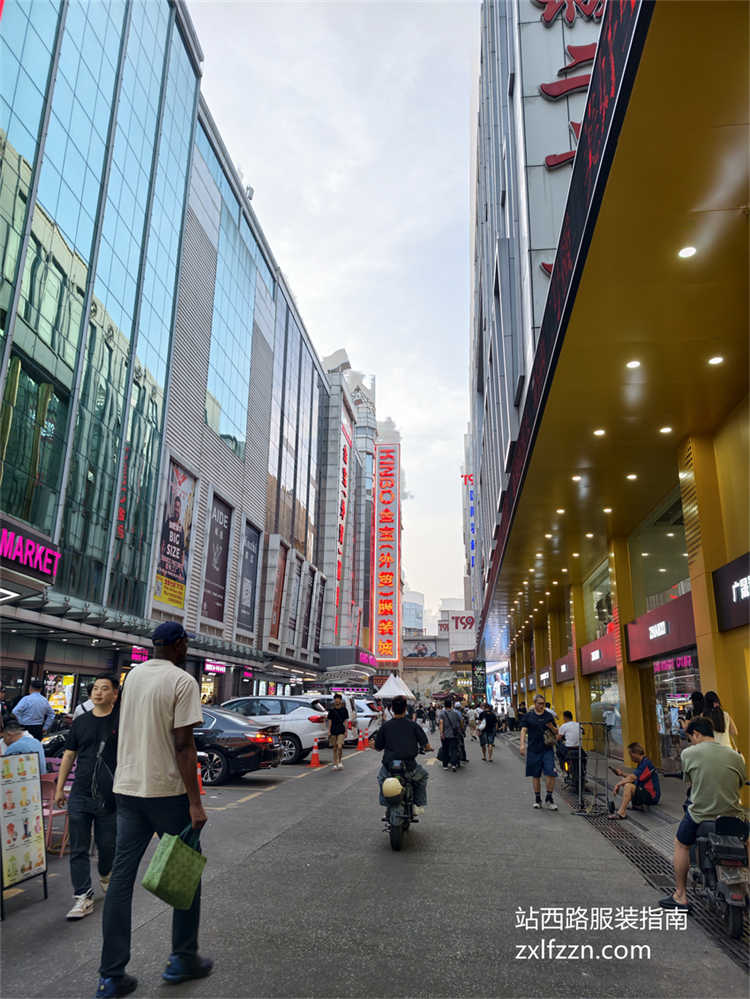
Why I'm Telling You the Real Truth about Guangzhou Station West Wages
I've been standing behind my counter in the Station West district for over fifteen years. While everyone else is talking about "supply chains" and "logistics optimization," I want to talk about the people who actually make your clothes happen. If you are an overseas buyer asking, "How much do workers at Guangzhou Station West clothing city earn?", you are looking at this from the wrong angle. The wages here aren't a fixed number on a spreadsheet; they are a pulse that beats faster when the season changes and slower when the market stalls.
Let me be clear: there is no single salary for "Station West." You have the factory floor hands in the back alleys of Liuhua District, the sales clerks in the bustling Jinbao Trade Center, and the designers sketching patterns in small studios above the wholesale malls. When I tell my foreign friends about the costs, I don't give them a generic average. I show them the reality of the hustle. A simple sewing machine operator might take home 4,500 RMB ($630 USD) a month during a slow week, but push through a rush order for a fast-fashion brand, and that jumps to 8,000 RMB ($1,100 USD). That's not just math; that's sweat, overtime, and the pressure of tight deadlines.
The Hidden Cost Structure Behind the Wholesale Prices
Factory Floor vs. Showroom Floor
You need to understand where your money goes. In the deep workshops of the Station West area, like those hidden near the old railway station, the labor cost is raw. These are the places producing the bulk of the Guangzhou Station West clothing exports. Here, a worker earns based on piece-rate. If you sew a basic t-shirt, you get paid per unit. It sounds efficient, but it means if the fabric is thick or the design complex, the pay drops unless you work double shifts. I've seen workers stay until 2 AM just to meet a shipment deadline for a client in Europe.
Contrast this with the showrooms in the Jinbao Trade Center or the New Asia Building. The staff here are sales agents, not sewers. Their income is commission-heavy. They might earn a base of 3,000 RMB, but their real take-home comes from closing deals with buyers like you. If you walk into a stall in Jinbao and see a price tag of $15 for a jacket, remember that maybe $2 covers the labor, $5 is the fabric, and the rest is the margin for the owner and the salesperson. This is why the Jinbao Foreign Trade center feels so different from the factories down the street. The vibe is transactional, high-energy, and focused on quick turnover.
My Personal Experience: How to Spot Quality Without Getting Scammed
The "Sample Room" Reality Check
When I first started dealing with international clients, I made the mistake of trusting photos sent via WeChat. Big mistake. Now, I always insist on visiting the physical sample room. Let me share a story from last year. A buyer from Brazil wanted to order 5,000 pairs of jeans. He was quoted a price that seemed too good to be true. I took him to a specific stall in the Golden Eagle Building, around the third floor. The owner showed us a perfect sample. But when we asked to see the production line, he hesitated. That hesitation told me everything.
We walked three blocks away to a workshop in the same compound. There, I saw the actual stitching quality. The thread count was lower than the sample. The worker there was earning 5,000 RMB a month, working twelve hours a day. If we had ordered from the first stall, the quality would have failed inspection upon arrival in Brazil. The lesson? Don't just look at the wage; look at the environment. High wages often correlate with better equipment and less rushed work. Low wages usually mean cutting corners on materials or speed.
Negotiating Like a Local
Many foreigners try to negotiate using standard Western tactics. It doesn't work here. In Station West, negotiation is a dance. You don't say, "I want a discount." You say, "I am a long-term partner, and I need to ensure the quality matches the volume." I once helped a client secure a deal by offering to pay 30% upfront instead of the usual 50%. The factory owner agreed because he knew the cash flow would help him pay his workers immediately. In this industry, trust is currency. When you build a relationship with the boss, they will prioritize your orders over others, even if your price isn't the absolute lowest.
Practical Guide: Navigating the Market Without Getting Lost
Where to Find the Best Deals
If you are looking for Guangzhou Station West clothing suppliers, don't just wander aimlessly. Start at the New Asia Building for trendy, fast-fashion items. The prices are competitive, and the variety is endless. For higher quality, more durable pieces, head to the Jinbao Trade Center. It's slightly more expensive, but the consistency is better. And if you want direct factory access, go to the industrial zones behind the main commercial buildings. You won't find fancy signs there, just open doors and busy machines.
Here is a breakdown of what you can expect in terms of pricing and minimums:
| Location | Product Type | Avg. Price (USD) | MOQ (Minimum Order Quantity) | Best For |
|---|---|---|---|---|
| New Asia Building | Trendy Tops, Dresses | $3 - $8 | 50-100 pcs | Fast Fashion, Small Batches |
| Jinbao Trade Center | Outerwear, Denim | $10 - $25 | 100-200 pcs | Quality Focus, Mid-Size Orders |
| Hidden Workshops | Custom Manufacturing | $5 - $15 | 500+ pcs | Large Scale, Private Label |
Red Flags to Watch Out For
One major red flag I see constantly is the "too cheap" trap. If a supplier offers a price that is 30% below the market average, run. They are likely using substandard fabric or underpaying their workers, which leads to poor quality and potential legal issues for you later. Another sign is a lack of transparency about the production timeline. In Station West, time is money. If a seller says, "We can deliver in 3 days" for a complex item, they are lying. Real production takes time. I always advise my clients to add a buffer of 5-7 days to any estimated delivery date.
Final Thoughts: Building a Sustainable Supply Chain
As I wrap up, I want to emphasize that understanding the wages in Guangzhou Station West is just one part of the puzzle. It's about respecting the ecosystem. The workers here are the backbone of the global fashion industry. When you treat them well, when you pay fair prices, and when you communicate clearly, you get better products. I've seen many businesses fail because they tried to squeeze every penny out of the supply chain. They ended up with returns, bad reviews, and lost customers.
So, whether you are sourcing Guangzhou Station West clothing for your boutique or building a large-scale brand, come with respect. Visit the shops, talk to the owners, and see the workers. The best deals aren't found online; they are found in person, shaking hands, and building trust. The market is tough, yes, but it's also full of opportunity for those who know how to navigate it. Don't be afraid to ask questions, don't be afraid to walk away, and always, always verify before you pay. That's the only way to succeed in this vibrant, chaotic, and incredibly rewarding world of Chinese wholesale.