Why the Station West Market is Your Secret Weapon for Global Sourcing
Listen, I've been standing behind this counter in Guangzhou's Station West district for over fifteen years. While everyone else is talking about online sourcing platforms and AI algorithms, I'm here telling you that nothing beats the smell of fresh fabric, the noise of the wholesale floor, and the direct handshake deal. If you are looking for China Guangzhou Station West clothing, you need to stop scrolling through generic listings and start walking the floors. This isn't a tourist spot; it's a battlefield where margins are made or lost based on your ability to read the room.
Many overseas buyers think they can just order from a website and get the same quality as the locals. That is a dangerous myth. The real value in Station West foreign trade lies in the physical inspection. When you walk into these buildings, you aren't just buying clothes; you are buying access to supply chains that don't even exist on Alibaba. Let me show you how we actually operate down here.
Navigating the Labyrinth: Where to Find the Real Goods
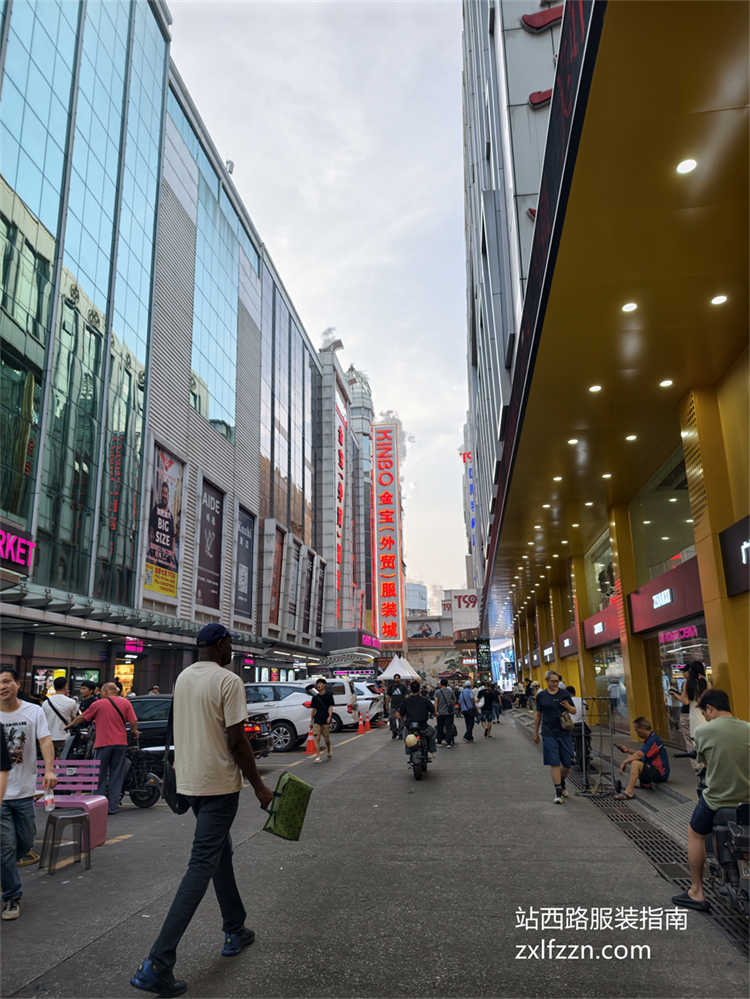
The first mistake most newbies make is wandering aimlessly. The station area is a dense cluster of buildings, each with its own specialty. You cannot treat them all the same. If you want high-end replicas or top-tier fast fashion, you need to head straight for the Jinbao Foreign Trade building. It's not just a market; it's a hub for brands that supply the global streetwear scene.
The Jinbao Strategy: Quality Over Quantity
Inside Jinbao, the layout is confusing if you don't know the code. The ground floor is mostly accessories and low-end goods. Go up to the 4th and 5th floors. This is where the serious Guangzhou Station West clothing manufacturers hide their best stock. I remember a client from Brazil who wanted to source summer linen shirts. He tried to buy from a stall on the 1st floor, got a sample that looked okay but felt like cheap polyester, and wasted three days. We took him to the 5th floor, specifically to a booth near the elevator shaft that doesn't have a flashy sign. They showed us a batch of 100% organic linen that was being held back for a local boutique chain. The price difference? 40% cheaper than what he found online, and the quality was undeniable.
Hidden Gems in the Back Alleys
Don't ignore the smaller buildings connecting Jinbao to the main railway station. These are often overlooked by tourists but filled with factories that specialize in specific cuts. For example, if you are looking for oversized hoodies or cargo pants, there is a cluster of stalls in the basement levels of the building opposite Jinbao. These are the "factory-direct" spots. They don't care about packaging; they care about volume. This is where you find the rawest versions of trends before they hit Shein or Zara.
The Art of the Deal: Negotiation and Verification
once you find the right stall, the real work begins. In Station West foreign trade, the price you see on the tag is rarely the price you pay. But be careful—being too aggressive can kill the relationship. Here is my rule: always ask for the "wholesale price" (lihuo jia) but frame it as a long-term partnership inquiry.
Reading the Fabric Like a Pro
I've seen too many buyers get burned because they didn't check the GSM (grams per square meter). A common trick in this market is to show you a heavy-weight sample while shipping you light-weight goods. When I inspect a garment, I do two things immediately. First, I stretch the fabric. If it snaps back instantly, it has good elasticity. Second, I look at the stitching density. On a standard T-shirt, count the stitches in one inch. If it's less than 12, run. At my stall, we guarantee 14-16 stitches for our premium line. I once had a buyer from the US complain about pilling after two washes. I pulled out the original fabric roll and showed him the weight spec sheet. He realized his previous supplier had swapped the material halfway through production. That's why you must verify the material composition physically, not just trust the label.
The MOQ Reality Check
Let's talk numbers. Most big brands claim they can do 50 pieces. In reality, unless you are paying a premium, the true factory minimums in Station West are often 300 pieces per color per size. However, there is a loophole. If you combine orders across different styles, some flexible stalls will drop the MOQ to 100. I recommend bundling. For instance, if you need 50 pairs of jeans and 50 t-shirts, ask the stall owner if they can mix the order. Many owners in the Guangzhou Station West clothing sector are willing to accommodate this if you promise to return next season. It builds loyalty.
Pitfalls to Avoid: Lessons from the Floor
I've seen thousands of transactions go wrong. Here are the specific traps I've watched people fall into over the years.
The "Sample Trap"
Never assume the sample equals the bulk. In the rush of the market, a seller might give you a perfect sample from their personal stash. Before you place an order, insist on seeing the "production line" sample. Ask to see the fabric roll they are currently using. If they hesitate, that's a red flag. I once saw a buyer lose $15,000 because the bulk shipment was 20% thinner than the sample. The lesson? Always pay for a "pre-production" confirmation sample that comes from the actual production line, not the showroom shelf.
Payment Security
Do not transfer money directly to a personal WeChat account without a contract. While cash flow is king here, security matters more. Use a third-party escrow service or a verified bank transfer. I always tell my international clients to use Alipay Business or a dedicated trade platform. It protects both sides. If something goes wrong, you have a trail. In the chaotic environment of Station West foreign trade, paper trails are your only defense against fraud.
Summary of Key Locations and Strategies
To wrap this up, here is a quick reference guide based on my years of experience. This table summarizes the best areas and what you should focus on.
| Location | Best For | Typical MOQ | Key Tip |
|---|---|---|---|
| Jinbao Building (Floors 4-5) | High-quality streetwear, branded styles | 100-300 pcs | Look for stalls without flashy signs; ask for fabric rolls. |
| basement Levels (Opposite Jinbao) | Cargo pants, oversized hoodies, basics | 200+ pcs | Focus on stitch density and fabric weight verification. |
| Main Corridor Stalls | Trendy fast fashion, low cost | 50-100 pcs | Beware of sample vs. bulk discrepancies; negotiate hard. |
| Back Alley Factories | Custom manufacturing, private labels | 500+ pcs | Requires longer lead time but offers unique designs. |
If you want to succeed in sourcing from China Guangzhou Station West clothing, you need to be present. The market moves fast, and the best deals are gone within hours. Don't rely on photos. Come down, touch the fabric, talk to the owners, and build relationships. That is the only way to get the real Station West foreign trade advantage. Trust me, the difference between a bad shipment and a great one is often just a few minutes of honest conversation on the factory floor.