Why I Tell You: The Real Truth about Buying "Leftovers" at Guangzhou Station West
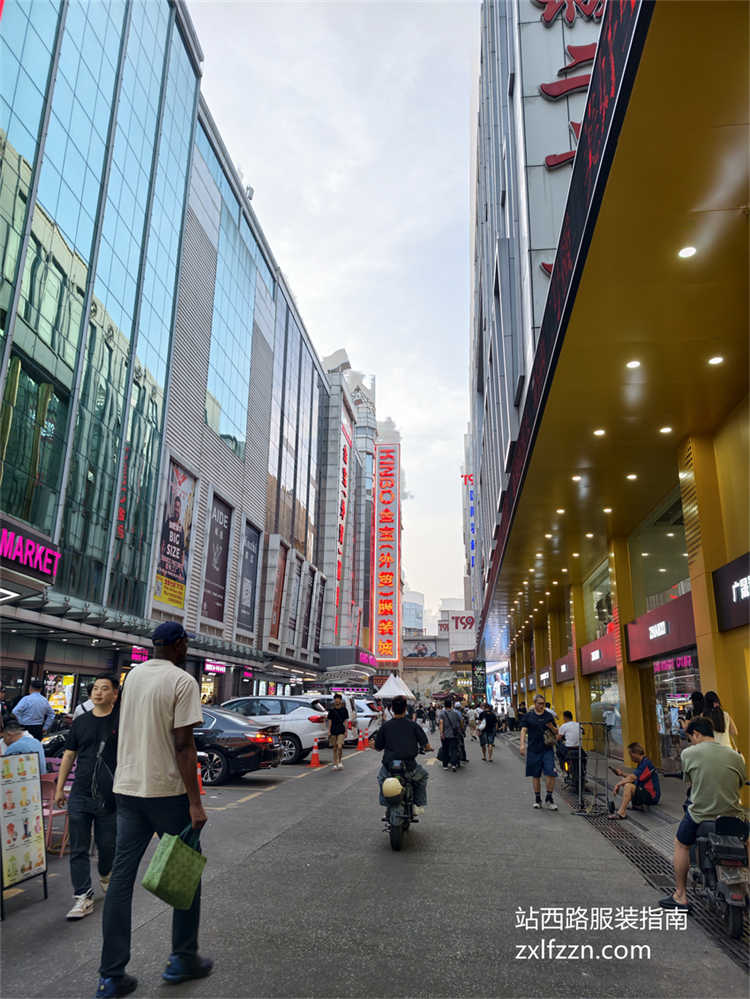
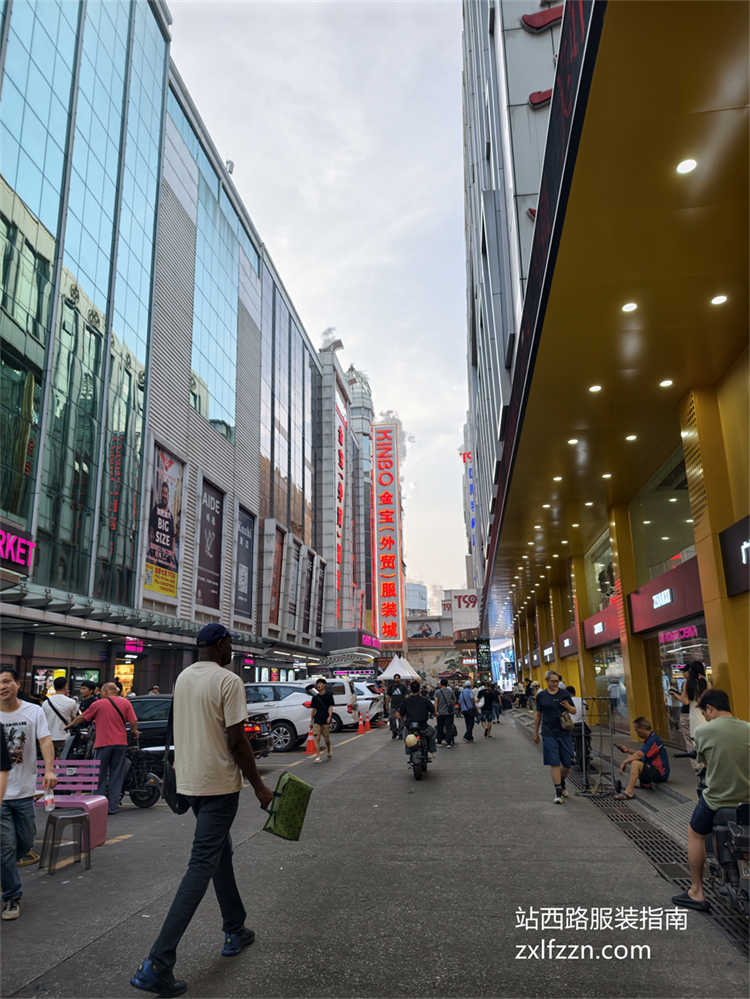
I've been standing in the same spot in the Station West district of Guangzhou for over fifteen years. While you are reading this from a warehouse in Los Angeles or a boutique in London, I am here smelling the dust, hearing the shouting of porters, and watching the endless flow of trucks. You asked me, "Does Guangzhou Station West buy clothing leftovers?" Let me be brutally honest with you. If you walk into the main corridors of the Golden Eagle Building or the Jinbao International Trade Center looking for "leftovers" like a tourist, you will get laughed out of the market. But if you know where to look, how to speak, and what to ask, you can find some of the best deals on earth.
The term "leftover" is tricky. In the eyes of big wholesalers, there are no leftovers; there is only "end-of-season stock," "sample clearance," or "factory overruns." When I talk about Guangzhou Station West clothing, I am talking about a massive ecosystem where quality varies from top-tier export grade to absolute junk. Most overseas buyers think they need to find a specific "leftover buyer." The truth is, you don't buy leftovers; you negotiate with the factory owner who has too much inventory sitting in their back room. This requires a different approach than buying standard seasonal goods.
Navigating the Labyrinth: Where to Find the Real Stock
You cannot just wander around the shiny new malls. The real action happens in the older, slightly grittier buildings. If you are looking for high-quality Station West foreign trade items, head straight to the Jinbao International Trade Center. It is not just a mall; it is a fortress of supply chains. However, the ground floor is full of showrooms designed for tourists. You need to go up. Specifically, the upper floors of the Jinbao building and the side alleys connecting to the Xiwu Road area are where the heavy lifting happens.
The Hidden Back Rooms of Jinbao
When I first started, I wasted months walking through the front doors. Now, I tell my clients to ignore the flashy displays. Look for the shops that have a small sign saying "Factory Direct" or "Sample Sale." These are often run by people who have factories in Foshan or Dongguan but use the Station West location as a showroom. They have piles of fabric and finished garments stacked in the back. This is where the "leftovers" live. They aren't labeled as such; they are just "old season stock" that needs to move before the new collection arrives.
Spotting the "Overrun" Signs
In the Jinbao Foreign Trade sector, you will see signs like "Clearance 50% off" or "Last Batch." Do not trust these blindly. Some are marketing tricks. The real deal comes when you see a shop owner who looks tired, surrounded by boxes that haven't moved in three months. That is your target. These are the owners who are desperate to clear space for the next season's production line. They are willing to sell you 500 pieces of a specific style at a price that makes no sense to a normal retailer but saves them storage costs.
The Art of Negotiation: How to Talk Like a Local
Language is the biggest barrier, but attitude is the key. If you walk in speaking perfect English and asking for a catalog, you are dead. The vendors here do not care about your brand story yet. They care about volume and speed. To get the real prices on leftover stock, you must speak their language. Not Mandarin, but business Cantonese slang.
Asking the Right Questions
Never ask, "Do you have leftovers?" Instead, ask, "What is the oldest batch you have in the back?" or "Is there any stock that didn't sell last month?" Use terms like "clearance" (qingjia) or "dead stock" (sihuo). When I visit a stall, I immediately ask, "Can I see the 'bad' stuff?" This signals that I know the market and I am not afraid of imperfections. This builds instant rapport. The vendor knows I am a serious buyer who understands the risks of buying unsold inventory.
The Price Dance
Let me give you a real example. A few weeks ago, I found a batch of winter coats in the Jinbao building. The tag price was $15 per piece. I knew the cost was closer to $8. I didn't haggle over $1. I said, "I will take 300 pieces today if you give me $9.50, cash now." The vendor hesitated. He looked at his watch. He knew he had to pay rent tomorrow. He agreed. Why? Because he valued immediate cash flow over a potential future sale. This is the secret to buying Guangzhou Station West clothing leftovers. You offer liquidity, and they give you the discount.
Quality Control: Don't Get Scammed by "Export Quality"
This is where most overseas buyers fail. They assume "foreign trade" means high quality. It does not. In the Station West district, you will find everything from luxury European exports to cheap knockoffs made of polyester that feels like plastic. When buying leftovers, the risk of defects is higher because these items were rejected for minor reasons—wrong stitching, slight color variation, or missing buttons.
The Three-Point Inspection Rule
Before you hand over a single dollar, I always inspect three things: the seam strength, the fabric weight, and the label accuracy. I pull on the seams. If they snap, it's trash. I hold the fabric up to the light to check for thin spots. And I check the labels. Sometimes, the "export quality" items have Chinese tags sewn in, which might cause customs issues in your country. I once bought a container of "leftover" jeans that turned out to have Chinese size labels instead of US sizes. I lost thousands. Never skip this step.
Dealing with Mixed Sizes
One of the biggest headaches with leftover stock is sizing. Vendors often mix S, M, L, XL in one box to clear space. I always insist on seeing the size breakdown before paying. If they say "random mix," I walk away. I prefer to pay a slightly higher price for a sorted box. For example, a mixed box might cost $8 per piece, but a sorted box (all Mediums) might cost $9. But the sorted box saves me hours of sorting time and ensures I can sell the product without returns. It is worth the extra dollar.
Logistics and Payment: Getting Your Goods Home
once you have negotiated the deal, the real work begins. You cannot just carry the clothes home. You need a reliable freight forwarder who knows the Station West area. There are hundreds of agents near the market, but many are unreliable. I recommend using a forwarder who has an office right inside the market. They can help you consolidate orders from multiple stalls, which is crucial when buying leftovers from different vendors.
Payment Security
Never pay via personal WeChat transfer unless you trust the person completely. For larger orders, use Alipay Business or bank transfer. Always keep a record of the transaction. If you are buying from a new vendor, start with a small test order. Buy 50 pieces first. If the quality matches the sample, then you scale up. This protects you from scams. Also, remember that shipping costs from Guangzhou to overseas ports fluctuate wildly. Factor in the current ocean freight rates when calculating your final landed cost.
Summary Table: Quick Reference for Buyers
| Area/Building | Best For | Price Range (Est.) | Tip |
|---|---|---|---|
| Jinbao International | High-end Foreign Trade, Overruns | $5 - $20 | Go to upper floors; look for "Factory Direct" signs. |
| Xiwu Road Alleys | Budget Leftovers, Fast Fashion | $2 - $8 | Check seams carefully; high defect rate possible. |
| Golden Eagle Building | Mixed Styles, Sample Clearance | $4 - $15 | Negotiate hard; demand size breakdowns. |
| Back Room Stalls | True Factory Overruns | $3 - $12 | Cash payment gets better discounts. |
Final Thoughts: Patience Pays Off
Buying Guangzhou Station West clothing leftovers is not for the impatient. It requires sweat, knowledge, and a thick skin. But if you master the art of finding those hidden gems in the back rooms of Jinbao or the alleys of Xiwu, you can build a business model that competitors cannot touch. The margins are incredible, and the exclusivity is real. Just remember: never trust the front display. Go deep, ask the right questions, and inspect every stitch. That is how you win in the Station West market.