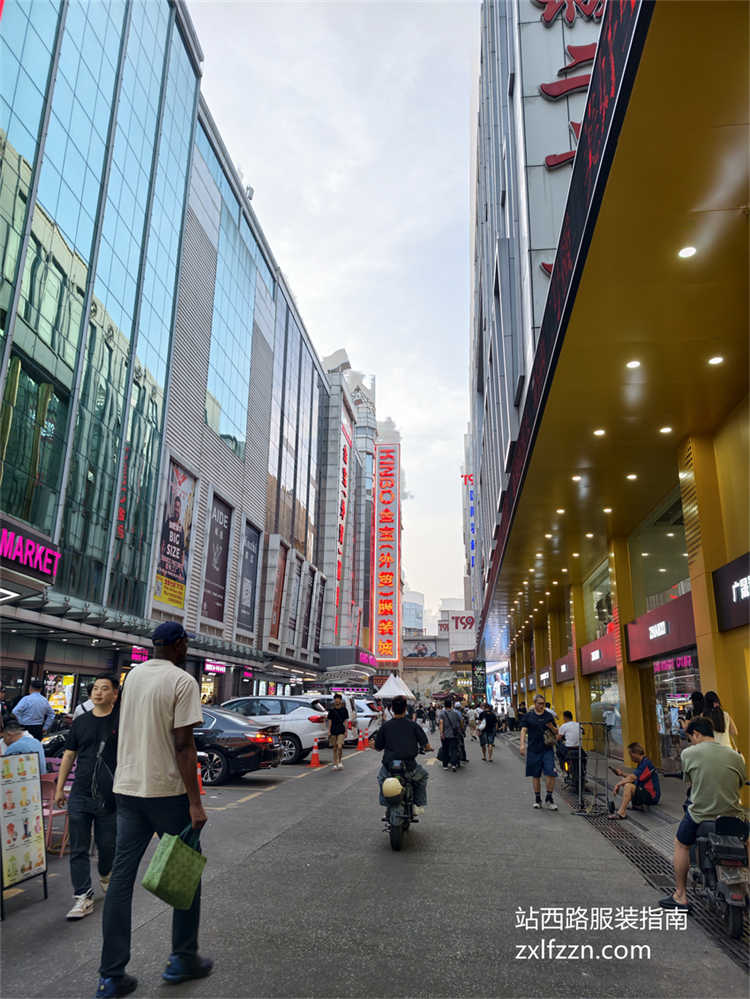
Real Talk: The Hidden Cost of Rent at Guangzhou Station West
Welcome to the trenches. I've been standing behind my counter in the Station West district for over fifteen years, watching the tide of fashion wash over us and recede again. You are probably scrolling through Google looking for a "Guangzhou Station West clothing rent price list," hoping to find a neat spreadsheet that tells you exactly how much it costs to open a shop here. Let me stop you right there. If you are an overseas buyer or a new investor thinking you can just walk in, pay a fixed fee, and start selling, you are already three steps behind.
The truth is, there is no single official "Station West Clothing Market Rent Price List" that applies to everyone. The market isn't a monolith; it's a chaotic ecosystem of buildings like the Golden Eagle, the Jinbao Trading Center, and the countless smaller blocks surrounding the railway station. Prices fluctuate based on location, floor level, foot traffic, and even the season. What I tell my friends from Europe or America who come to buy clothes is simple: don't look for a static number. Look for the value. In this district, high rent doesn't always mean better goods, but low rent often means you are stuck in a basement with no visibility.
The Myth of the Fixed Rate
When people ask me about the Guangzhou Station West clothing rental costs, I usually laugh because the answer changes every week. For instance, in the main corridor of the Jinbao Foreign Trade Center, a prime spot might cost 800 to 1,200 RMB per square meter per month during peak seasons like September or October. But move two floors up, or into a side alley near the old building, and that price drops to 400 RMB. Why? Because buyers don't go there. They stick to the ground floor where the lights are bright and the air conditioning works.
I remember when I first started, I paid a premium for a corner stall in the Golden Eagle Building. My neighbors complained they were paying half as much for similar space. The difference? My stall faced the main elevator shaft. Every foreigner walking by saw my rack of jackets. That visibility was worth the extra rent. If you are looking for Station West foreign trade deals, you need to understand that the rent you pay is essentially buying access to the crowd. Don't try to save money by going to the back rooms unless you have a specific supplier you already know.
Navigating the Labyrinth: Where to Find the Best Deals
Let's get practical. You aren't here to become a landlord; you are here to source. So, where should you focus your energy? The market is divided into zones, and each has its own vibe and pricing structure. The most famous area for international buyers is undoubtedly the Jinbao Foreign Trade complex. It is modern, clean, and packed with exporters who speak English. However, the rent here is sky-high, which means the wholesale prices are slightly higher too.
The Hidden Gems: Older Buildings and Side Streets
If you want real margins, you need to dig deeper. Behind the shiny facades of Jinbao lie older buildings like the Xingfa Plaza and the small alleys connecting to the railway station. Here, the rent might be 30% lower than in the main towers. I have a friend who runs a boutique sourcing from a tiny stall in the basement of a building near the station. He pays almost nothing in rent because he relies entirely on repeat customers and WeChat orders. His stock is identical to what sells for double the price in the lobby of Jinbao.
This is the secret of the Guangzhou Station West market: the best deals are often hidden in plain sight. When you walk in, ignore the flashy signs. Look for the stalls with piles of clothes on the floor, not hanging neatly. These are the places where the owners are desperate to clear inventory, and their rent pressure is lower, so they are willing to negotiate harder. I once found a batch of winter coats that were perfect for the US market, sourced from a stall in the basement of a building nobody visits. The owner told me, "I pay less rent here, so I can sell cheaper." That is the logic you need to follow.
On-the-Ground Sourcing: How to Negotiate Like a Local
once you are inside, the game changes. You cannot just point at a shirt and ask for the price. In Station West, the price is fluid. It depends on your volume, your relationship, and how well you can read the room. I have seen foreigners walk in, ask for a "price list," and leave empty-handed because they didn't understand the culture. Here is how we do it.
The Art of the Sample and the Deal
First, never buy without seeing the sample. Even if you see a photo online, the fabric quality in Station West foreign trade varies wildly. Touch the material. Check the stitching. Ask the boss to show you the factory tag. If they hesitate, walk away. Second, start your negotiation by asking for the "wholesale price" (da huo jia), not the retail price. A common mistake is to ask for the price of one piece. The moment you say "one piece," the price jumps to retail. Always ask for the price of a dozen or fifty pieces first.
I remember a client from Canada who wanted to buy 500 shirts. He went to a stall in the Golden Eagle Building and asked for the price of one shirt. The owner quoted him $15. I stepped in, showed the owner my ID card, and said, "He wants 500 pieces. Give him the bulk price." The owner immediately dropped it to $6. That is the power of volume and local presence. Also, always carry cash or have Alipay ready. Many small stall owners give a discount if you pay instantly. It shows you are serious.
Avoiding Pitfalls: What I Wish I Knew Earlier
There are traps everywhere in this market. The biggest one is the "fake foreign trade" label. Many stalls put up signs saying "Export Quality" or "Made for Europe," but the clothes are actually made for the domestic Chinese market with minor tweaks. Another trap is the "rent scam." Some agents will try to charge you a deposit for a stall that doesn't exist or is already rented out. Never pay a deposit without seeing the physical space and meeting the owner face-to-face.
Quality Control and Logistics
When you finally pick your items, do not just pack them up and hope for the best. Inspect every single item. Look for loose threads, missing buttons, or color variations. In Guangzhou Station West clothing, quality control is your responsibility. If you find a defect, ask the owner to replace it right then and there. Most will agree if you are polite but firm. Finally, think about logistics early. The market is crowded, and trucks are hard to find. I recommend using a trusted freight forwarder who knows the area. Do not try to ship everything yourself via courier unless it is a small sample order.
Summary: Your Action Plan for Station West
To wrap this up, let's look at the reality of the market. There is no magic price list, but there is a strategy. Focus on the high-traffic areas for visibility, but don't be afraid to explore the older buildings for better margins. Always negotiate based on volume, inspect every sample, and avoid the fake export labels. Here is a quick reference table based on my experience over the years:
| Location Type | Avg. Rent Estimate (RMB/sqm/month) | Best For | Risk Level |
|---|---|---|---|
| Main Corridor (Jinbao/Golden Eagle) | 800 - 1,200 | High Visibility, English Speakers | Low (Established) |
| Upper Floors / Side Alleys | 400 - 600 | Budget Buyers, Repeat Customers | Medium (Less Traffic) |
| basement / Old Buildings | 200 - 400 | Deep Discounts, Bulk Orders | High (Quality Variance) |
Remember, the Guangzhou Station West market is a living organism. It breathes, it changes, and it rewards those who respect its rules. If you treat it like a tourist attraction, you will pay more. If you treat it like a business partner, you will find the best deals in the world. Go out there, touch the fabric, talk to the bosses, and build your network. That is the only way to succeed in this wild, wonderful place.