Walking the Floor: My Honest Guide to Guangzhou Zhanxi Clothing Markets
If you are reading this, you probably think Guangzhou is just a map on Google Maps. But for me, having spent over two decades with my boots worn down on these concrete floors, Zhanxi is a living, breathing beast. It is not a single building; it is a chaotic, electric ecosystem where the global fashion supply chain actually begins. When overseas buyers ask me, "Which clothing markets are in Guangzhou Zhanxi?", I always tell them they are asking the wrong question. You don't just pick one market; you have to navigate a cluster of giants that define the very essence of Chinese manufacturing speed and volume.
The Heart of the Beast: Jinbao and Beyond
Let's start with the elephant in the room. If you hear anyone talking about Zhanxi foreign trade, they are almost certainly pointing at the Jinbao International Trade City. This is the crown jewel of the district. Unlike the high-end malls in Tianhe or the wholesale chaos of Shisanhang, Jinbao feels different. It is built for export. The signage is bilingual, the security is tighter, and the quality of goods here is generally higher because we cater to international standards. Walking through Jinbao, you will see rows upon rows of stalls selling everything from fast-fashion basics to high-end leather jackets. This is where the real Guangzhou Zhanxi clothing business happens for the serious importer.
But Jinbao isn't the only player. Just a few blocks away, you have the massive Hongda Fashion Plaza. While Jinbao leans heavily into the "foreign trade" vibe, Hongda is a bit more mixed. It is older, grittier, but incredibly efficient. Here, you find the heavy hitters of denim, casual wear, and sportswear. Many of my clients who specialize in Jinbao foreign trade styles often double-check their orders at Hongda to compare pricing on similar items. The layout is confusing if you don't know the shortcuts, but once you learn the flow, you can move faster than a delivery scooter.
Navigating the Physical Reality: What to Expect on the Ground
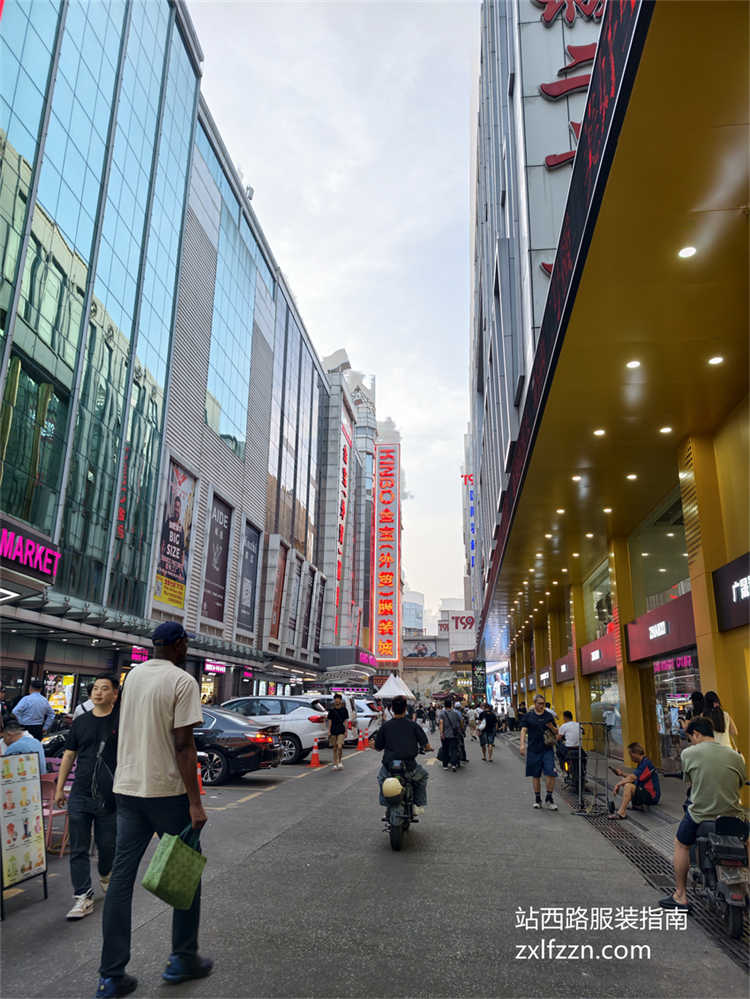
When you step off the subway at Zhanxi Road Station, prepare yourself. The air smells like exhaust fumes and fresh fabric dye. The noise is deafening. This is not a place for polite browsing. In my experience, the first thing overseas buyers get wrong is underestimating the physical intensity of the market. You cannot walk around with a clipboard and a smile expecting everyone to stop and chat. The pace here is frantic.
The Art of the Stall Visit
So, how do you actually talk to the bosses? First, forget the idea of walking in as a tourist. You need to look like you belong. Dress smart-casual, carry a small notebook, and keep your phone ready for WeChat. When you approach a stall, do not ask, "Can I see your catalog?" That is a waste of time. Instead, point to a specific item on the rack and ask, "What is the MOQ for this style?" or "Do you have this in size M?" This signals immediately that you are a buyer, not a window shopper. At Jinbao, many bosses speak basic English, but the real magic happens when you use translation apps or find a local agent who knows the dialect. The best deals are never found by shouting; they are found by whispering and building a rapport.
I remember a client last year who wanted to source a line of winter coats. He went straight to the front desk of a big mall and asked for a manager. He got nothing but a cold shoulder. Then he walked three floors up to a smaller, less flashy stall in the back corner. He bought a sample, paid cash, and talked to the owner for twenty minutes about shipping logistics. By the end of the day, he had secured a factory-direct price that was 15% lower than the big names. That is the secret of Zhanxi: the best inventory is often hidden in plain sight, tucked away in the back rooms of the buildings.
Quality Control and Negotiation: The Real Work Begins
once you have identified your target items, the real work starts. Many overseas buyers assume that because it is China, the quality is automatically low. That is a dangerous myth. In the Zhanxi foreign trade sector, quality varies wildly depending on which floor you are on and which stall you visit. High-end stalls in Jinbao will show you samples that match the photos perfectly. Lower-tier stalls might send you a "sample" that looks great but mass-produce something completely different.
Inspection Before Payment
Never pay for a bulk order without seeing the pre-production sample. I always advise my friends to bring a tape measure and a light source. Check the stitching density, the feel of the fabric, and the color consistency. In Zhanxi, colors can shift slightly between batches, so you must verify the shade against your reference card. Also, check the labels. If you are targeting the US or EU market, ensure the care labels and size tags meet the legal requirements of your destination country. A simple mistake here can lead to customs seizures.
Negotiation is an art form here. Do not be afraid to haggle, but do not be rude. Start by asking for the "wholesale price" rather than the "retail price." If you are buying a large quantity, mention that you are looking for a long-term partnership. The bosses in Zhanxi love stability. They would rather sell you fifty pieces at a lower margin than ten pieces at a high margin. Use the phrase "long-term cooperation" frequently. It opens doors that money alone cannot. Also, be clear about payment terms. Cash is king for small orders, but for larger ones, a deposit via bank transfer is standard. Never wire 100% upfront unless you have known the supplier for years.
Logistics and Avoiding Pitfalls
One of the biggest fears for new importers is getting stuck with goods that never leave China. The logistics network in Zhanxi is incredible, but it is also complex. Most stalls have relationships with freight forwarders who handle sea and air freight. However, do not let the stall owner arrange shipping for you unless you trust them implicitly. Often, they will push you toward a forwarder who gives them a kickback, resulting in higher costs or slower service for you.
Building Your Own Supply Chain
My advice is to hire a third-party inspection agency or a trusted local agent to handle the final consolidation and shipping. This ensures that your goods are packed correctly and labeled accurately before they hit the container. Also, be aware of the seasonal cycles. Zhanxi moves fast. If you miss the deadline for a specific season, you might find yourself stuck with last year's stock. Plan your visits at least three months before your target launch date. Finally, always keep a backup plan. If one stall runs out of stock, there are dozens of others within a five-minute walk that can fill the gap. That is the beauty of the Guangzhou Zhanxi clothing district—it is resilient, adaptable, and always ready to serve.
In conclusion, sourcing from Guangzhou Zhanxi is not for the faint of heart. It requires patience, street smarts, and a willingness to get your hands dirty. But if you take the time to understand the rhythm of the markets, build genuine relationships with the stall owners, and maintain strict quality control, you will find that no other region in the world can match the speed, variety, and value that Zhanxi offers. Whether you are looking for Jinbao foreign trade gems or deep discounts in the older plazas, the opportunity is there for those who know how to look. Welcome to the real world of fashion manufacturing.