Why the Station West Market is Your Best Bet for Cheap Guangzhou Clothing
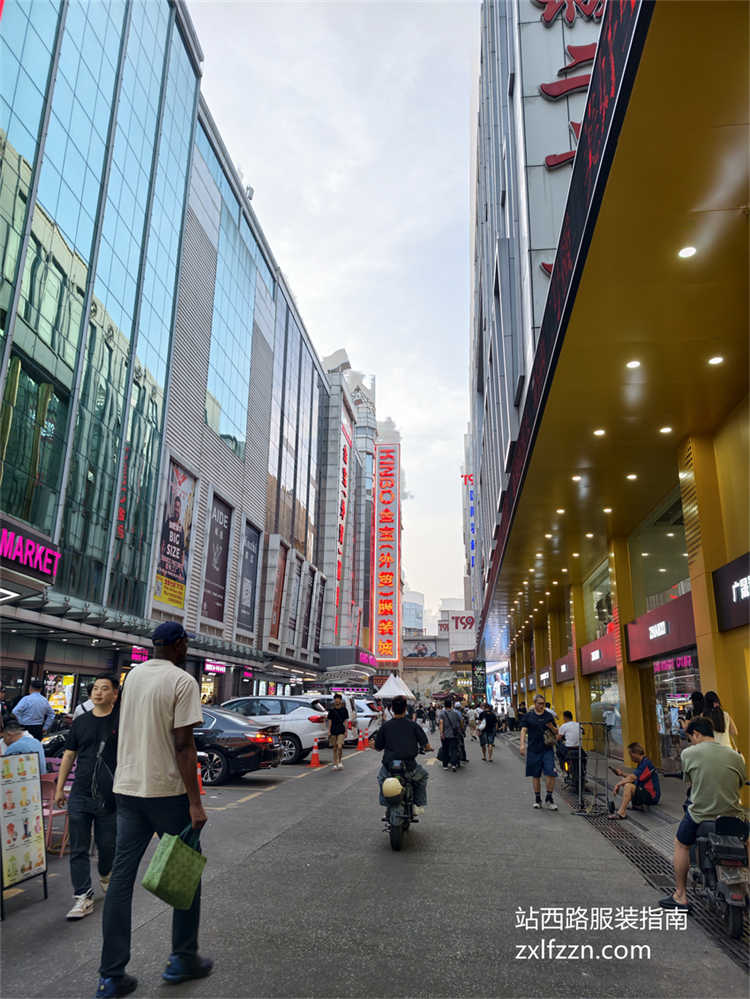
Listen, I've been standing in these concrete corridors of the Station West area since before the internet made everyone think they could buy wholesale from their living room. If you are an overseas buyer looking for "China Guangzhou Station West clothing" that actually makes money, you need to stop scrolling and start walking. The truth is, the prices you see online are often inflated by middlemen who don't know the first thing about the real market dynamics here. When I say "Station West foreign trade," I am talking about the raw, unfiltered pulse of the global fashion supply chain. This isn't a polished mall; it's a battlefield where margins are thin and speed is everything.
The biggest mistake new buyers make is thinking they can just walk in and get the best price immediately. That is a rookie error. The Station West district, specifically around the Jinyi (Jinbao) Foreign Trade Center, is a maze of thousands of stalls. Some look identical on the outside but have completely different quality standards inside. My advice? Forget the fancy hotels and stay close to the action. You need to be on your feet by 6 AM. The real deals happen before the sun is fully up, when the local traders are clearing out last season's stock or moving fresh arrivals from the factories in Foshan and Dongguan.
Navigating the Labyrinth: Where to Find the Real Deals
Jinbao vs. The Surrounding Giants
You asked where it is cheap. Let me tell you, "cheap" is relative. In this market, cheap means value for money, not necessarily the lowest number on a tag. The Jinbao Foreign Trade Center is the heart of what people call "Guangzhou Station West foreign trade." It is famous for its high-quality replicas and genuine export leftovers. But if you want absolute rock-bottom prices for basic items, you need to look at the smaller buildings surrounding it, like the Xiwu Building or the older sections near the railway station.
I have seen buyers spend hours in the shiny Jinbao center only to find that the prices there include a premium for the air conditioning and the nice lobby. Meanwhile, just two streets over, in the slightly more chaotic blocks, you can find the exact same fabric and stitching for half the price. These stalls are less organized, the lighting might be dimmer, and the owners might be shouting into old mobile phones, but that is where the real volume moves. If you are hunting for "Guangzhou Station West clothing" for a budget brand, skip the showrooms and go to the back alleys. That is where the inventory turns over fastest, and that is where the discounts are deepest.
The Art of the Walk-Through
Do not try to rush. A good day of sourcing involves walking every single aisle. I remember one time a client wanted to buy 500 units of a specific t-shirt design. He went to three big malls and got quoted $8 per piece. We walked into a tiny stall in the basement of a building nobody visits, and he got them for $4.50. Why? Because that stall owner was desperate to clear space for new autumn stock. They didn't care about your brand reputation; they cared about cash flow. This is the reality of the Station West market. You have to be willing to sweat to find the gems.
How to Talk to Stall Owners and Get the Real Price
Ditch the Tourist Persona
When you approach a stall, your body language speaks louder than your English. If you look like a tourist with a camera and a map, you will pay retail prices. I always tell my clients to dress down. Wear comfortable shoes because you will be walking miles. Carry a small notebook and a pen. Do not ask, "How much is this?" Instead, ask, "What is your best price for 100 pieces?" or "Can we do a trial order of 50 to test the quality?"
The owners here deal with hundreds of customers a day. They can smell a newbie from a mile away. If you act unsure, they will upsell you. Be direct. Show them you know the difference between cotton and polyester blends. Mention the GSM (grams per square meter) of the fabric. When you speak the language of the trade, even if your Mandarin is broken, they respect you. They will stop treating you like a customer and start treating you like a partner. This shift is crucial for getting the "Guangzhou Station West foreign trade" pricing that international buyers actually need.
Negotiation Tactics That Work
Negotiation here is a dance. Never accept the first price. Even if they say it is already low, push back politely. Say, "I am buying from five other stalls today, and this one is slightly higher. Can you match the others?" Often, they will drop the price just to secure the sale. Also, never mention your total budget upfront. Keep them guessing. If you say you have $10,000 to spend, they will try to sell you expensive items to eat up that budget. Instead, focus on unit cost. Ask, "If I increase the order to 200, how much can you cut off the unit price?" Volume is your biggest leverage in Station West.
Quality Control and Avoiding the Pitfalls
Inspect Before You Pay
This is where most overseas buyers fail. They see a sample, love it, and pay for the whole batch without checking the rest. In the Station West market, samples are often perfect, but the bulk production can vary wildly. Always, always inspect the goods before you hand over the final payment. Check the stitching, the hemming, and the color consistency. Look for loose threads or uneven dyeing. If you are buying "Jinbao foreign trade" items, be extra careful. Some stalls mix high-quality exports with lower-grade knockoffs. Ask to see the "A-grade" versus "B-grade" options. Sometimes paying a little more for the A-grade saves you from returns and angry customers back home.
The Hidden Costs and Logistics
Remember, the sticker price is rarely the final price. You need to factor in shipping, customs duties, and potential taxes. Many stall owners in Station West are used to dealing with freight forwarders, so ask them for recommendations. They know which agents are honest and which ones will hide fees. Do not let them handle the shipping unless you trust them implicitly. It is better to hire your own agent who specializes in "Guangzhou Station West clothing" logistics. They can consolidate orders from multiple stalls into one container, saving you a fortune on freight costs. Also, be wary of scams involving fake invoices. Ensure all paperwork matches the actual goods you are taking.
Building Long-Term Relationships in the District
once you find a good stall, stick with them. The beauty of the Station West market is that relationships matter more than anything else. If you become a regular, the owner will hold the best stock for you. They will notify you when new designs arrive before anyone else knows. They might even give you a discount on future orders just because you are a loyal face. This is the secret sauce of successful sourcing in China. It is not about finding the cheapest item once; it is about building a network that gives you consistent access to quality and price advantages.
So, if you are planning your next trip, forget the glossy brochures. Come to the ground, walk the floors of the Jinbao and the surrounding blocks, talk to the owners, and inspect the goods yourself. The "China Guangzhou Station West clothing" market is vast, chaotic, and incredibly rewarding if you know how to navigate it. Don't let the fear of the unknown keep you away. With the right mindset and a bit of street smarts, you can build a supply chain that beats any competitor. Go out there, find your niche, and make some serious profit.