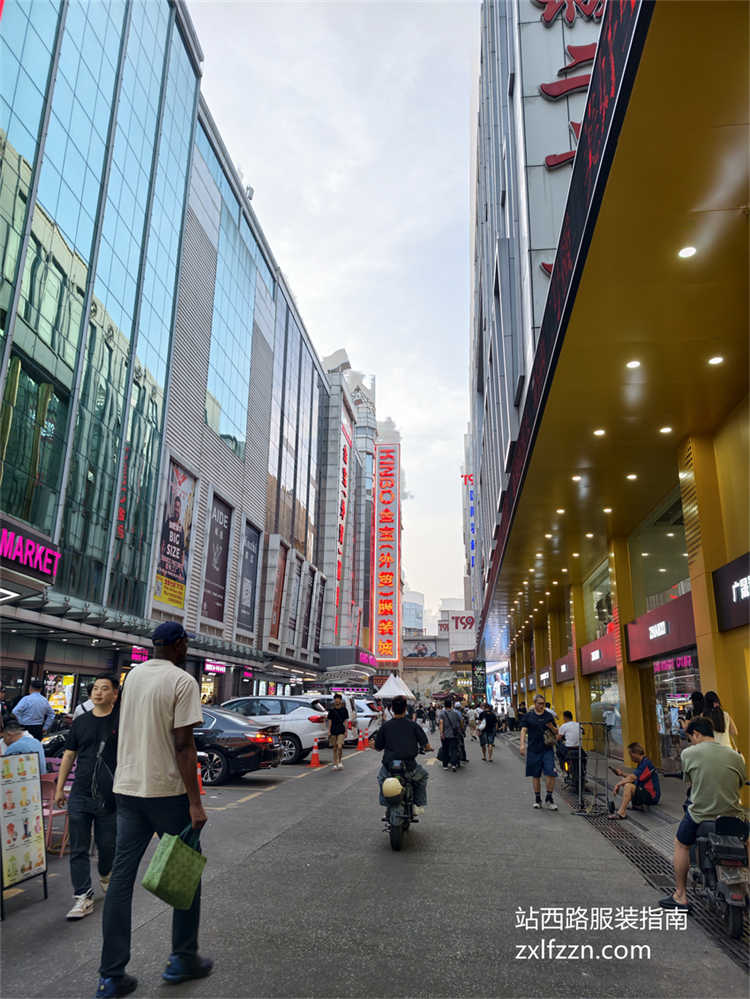
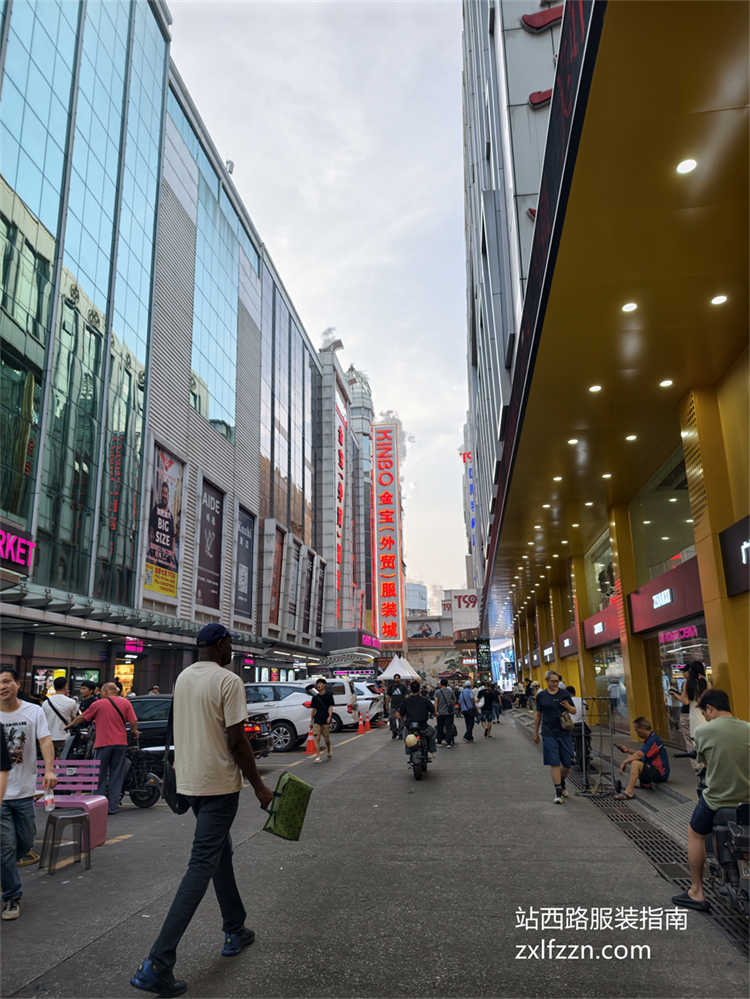
Why the "Theft" Rumors Are Just a Distraction from Real Sourcing Risks
Listen, I've been standing behind my counter in the Zhanxi area of Guangzhou for over fifteen years. You hear everything out here. The whispers about people stealing clothes, the stories of foreign buyers getting scammed, and the rumors that this place is a lawless zone where you can't trust your own eyes. Let me tell you straight: the "stealing" narrative is mostly old wives' tales or exaggerated gossip meant to scare people away from what is actually one of the most dynamic wholesale markets in the world. Yes, there are pickpockets like in any crowded city, but the real danger isn't some guy snatching a shirt off a rack; it's the subtle traps set by unscrupulous middlemen and the lack of quality control if you don't know how to look.
When I see a new buyer walking into the Zhanxi clothing market with wide eyes, looking terrified of someone grabbing their merchandise, I just smile. They are worried about the wrong thing. The actual risk lies in the details of the transaction, not in physical theft. If you focus on the right things—like verifying the source, checking the stitching, and understanding the flow of goods at places like Jinbao Foreign Trade—you will find that the market is safe for those who know the rules. My job isn't just to sell you clothes; it's to teach you how to navigate the chaos without losing your shirt, literally or figuratively.
Navigating the Chaos: How to Spot Real Goods vs. Stolen Scams
The Myth of the Snatched Garment
Let's clear up the confusion first. In the bustling corridors of Guangzhou Zhanxi clothing, you won't find gangs running around with bags full of stolen inventory. That kind of organized crime doesn't happen in the open stalls of the major buildings. What people call "theft" is often just a misunderstanding of how the supply chain works. Sometimes, a sample gets lost, or a worker takes a piece home, and suddenly it ends up being sold as "new stock." But this is internal shop management, not street crime. As a local boss, I can tell you that our reputation depends on consistency. We don't want stolen goods because they have no traceability, and we can't guarantee quality. We deal in legitimate bulk orders from factories, not stolen scraps.
Distinguishing Jinbao Foreign Trade Quality
If you are looking for high-quality exports, you need to head towards the specific zones known for Jinbao Foreign Trade. This area is famous for its connection to overseas brands and export-grade manufacturing. When you walk through these halls, you aren't looking for "stolen" items; you are looking for factory seconds or overruns that are sold legally at a discount. The difference is in the tags and the packaging. Real export goods from Zhanxi foreign trade come with proper labels, sometimes even with original brand tags removed but with the fabric quality intact. If a seller tries to hide the origin or refuses to show you the factory invoice, that is a red flag. It's not about theft; it's about avoiding counterfeit operations that could get your shipment seized at customs later.
The Real Pitfalls: A Veteran's Guide to Safe Procurement
On-Site Inspection: Touch, Feel, and Verify
Here is the golden rule I tell every international client: never buy based on a photo sent via WhatsApp. The photos can be edited, the colors can be faked, and the fabric weight can be completely different. When you are physically standing in the Zhanxi clothing market, you must touch the material. Run your hand over the seams. Check the density of the weave. Ask to see the raw fabric roll, not just the finished garment. In my experience, the best way to avoid bad deals is to demand a live video call from the specific stall while you are there, or better yet, go to the warehouse floor. Many of the big suppliers in Zhanxi have backrooms where they store bulk stock. Seeing the pile of goods confirms that the item exists and is ready for immediate shipping.
Building Trust with Local Stall Owners
Communication is key. Don't just treat the stall owner like a vending machine. Sit down, have a tea, and ask questions. Show them you are serious about building a long-term relationship. When you speak directly to the person managing the inventory, you bypass the layers of agents who might try to cut corners. I always advise buyers to ask about the production lead time and the minimum order quantity (MOQ) upfront. If a seller promises you 10,000 units in three days for a price that seems too good to be true, run. That is usually a sign of a scam or a dropshipping trap, not a legitimate wholesale operation. In the Zhanxi foreign trade sector, transparency builds the bridge between you and the supplier.
Final Tips for the Smart Buyer
So, when you think about your next trip to Guangzhou, forget the fear of thieves. Focus on your strategy. Visit the established buildings, stick to the reputable zones like Jinbao, and bring a local guide if you are unsure. The market is vast, and the variety of styles in Guangzhou Zhanxi clothing is unmatched. Whether you are sourcing casual wear, formal suits, or trendy streetwear, the opportunities are endless. Just remember to verify everything, check the quality personally, and negotiate with confidence. The "theft" story is just noise; the real value is in the craftsmanship and the speed of the supply chain that only a seasoned local can help you access. Go out there, inspect the goods, and build your business on solid ground.