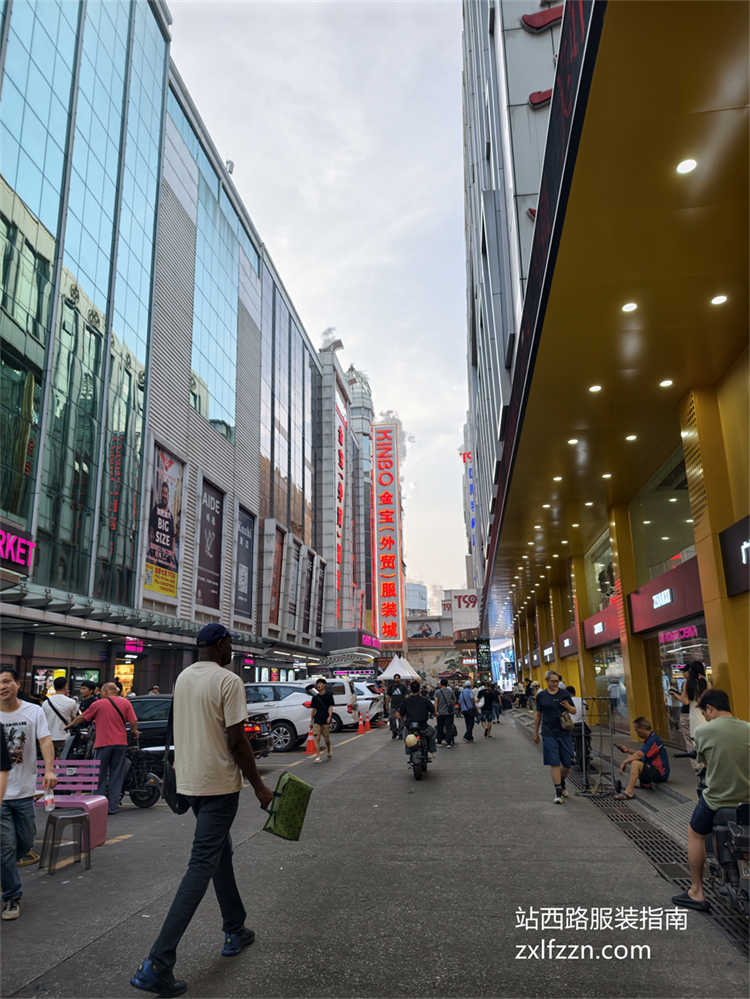
Why You Need to Walk the Floor at Guangzhou Station West
Listen, I've been standing in this exact spot for over fifteen years. While you are reading this on your screen somewhere in Europe or America, I am likely shouting at a delivery driver or negotiating with a factory owner right here in the Station West area of Guangzhou. If you think you can just order from a website and get the same quality as what we sell here, you are making a huge mistake. This place is not a museum; it is a battlefield of fashion where trends die and are reborn every single week. The real magic happens when you step off the plane and walk into the chaotic, electric energy of the Station West clothing market. We call it "Zhanxi" locally, but for you international buyers, it is the ultimate source for high-volume, low-cost apparel that actually moves.
The Reality of the Wholesale Environment
You will see signs everywhere saying "Guangzhou Station West Clothing" or "Jinbao Foreign Trade," but don't let the glossy photos fool you. The reality is loud, crowded, and fast-paced. When you arrive, forget about polite browsing. You need to be ready to move. The stalls are packed shoulder to shoulder, and the air smells like steam irons and fresh fabric. This is where the best deals happen because the margins are razor-thin. If you want to find the next big trend before everyone else does, you have to be here physically. online catalogs are often outdated by the time they hit your inbox. Here, the samples are fresh off the sewing machines.
Navigating the Stalls: How to Spot the Real Goods
Walking through the aisles of Jinbao Foreign Trade or the main Station West complex can feel overwhelming if you don't know what to look for. Many new buyers make the mistake of stopping at the first stall that looks nice. That is how you get stuck with middlemen who mark up prices three times. My advice? Keep walking. Look for the stalls that are busy. If you see a stack of boxes being loaded onto a truck outside, that is a good sign. It means they are moving inventory, not just displaying it.
Differentiating Between Showroom and Warehouse
In this district, there is a clear distinction between a showroom and a warehouse. Some stalls only show one sample per style, while others have racks full of different sizes and colors. As a local boss, I tell my customers to always ask for the "warehouse stock." If a seller hesitates to show you the back room where the bulk goods are kept, run. That usually means they are just a reseller buying from someone else. At genuine wholesale hubs like the ones near the railway station, the owners often manage their own supply chains. They can pull a specific size from the back immediately. This speed is crucial when you are trying to restock a store quickly.
The Art of Negotiation and Sourcing Strategy
Let's talk about money. In the West Station markets, the price tag you see is rarely the final price. This is where negotiation becomes an art form. Do not be afraid to haggle, but do it respectfully. Start by asking for the "wholesale price" rather than the retail price. If you are buying a small quantity, say less than fifty pieces, expect to pay a bit more. But if you are serious about importing, mention that you are looking for long-term cooperation. Phrases like "we are opening a new chain" or "we need consistent quality" work wonders.
Building Relationships Over Transactions
I have seen many foreign buyers come in, buy once, and never return. That is a missed opportunity. The best deals come from relationships. If you treat the stall owners like partners, they will give you access to new styles before they even hit the floor. They might hold a batch of premium fabric for you or alert you when a factory has a surplus of high-quality material. In the world of Guangzhou Station West clothing, trust is currency. once a vendor knows you are reliable and pay on time, you become a VIP. They will help you solve problems, like fixing a sizing error or rushing a shipment, without charging extra fees.
Quality Control and Avoiding Common Pitfalls
This is the most critical part of your trip. You cannot rely on pictures sent via WhatsApp. You must inspect the goods yourself. Bring a magnifying glass and a lint roller. Check the stitching, the hemming, and the fabric weight. In the rush of the market, some sellers might try to pass off lower-grade fabric as premium. Always ask to see the raw fabric swatches. If they claim it is 100% cotton, touch it. If it feels slippery or synthetic, walk away. Also, check the labels. Many factories in this region produce for top brands, so the quality standards are generally high, but consistency varies from batch to batch.
Logistics and Shipping Hacks
once you have selected your goods, don't just leave them at the stall. Most vendors here have experience shipping internationally, especially to the US and Europe. Ask them about their freight forwarders. Many stalls in the Jinbao Foreign Trade building have direct partnerships with logistics companies that handle customs clearance. They can consolidate your orders from multiple stalls into one container, which saves you a fortune on shipping costs. Just make sure you verify the weight and dimensions yourself before the goods leave the building. Never assume the numbers provided by the seller are accurate. A few kilograms difference can change your shipping quote significantly.
Final Thoughts: Your Next Move
If you are serious about sourcing women's fashion, stop guessing and start visiting. The depth of variety in Guangzhou Station West is unmatched anywhere else in the world. From casual wear to evening gowns, the options are endless. But remember, success here requires patience, sharp eyes, and a willingness to engage directly with the people who make the clothes. Don't be intimidated by the noise or the language barrier. A smile and a firm handshake go a long way. Come down to the ground level, touch the fabrics, and build your network. That is where the real business happens. Welcome to the heart of global fashion manufacturing.