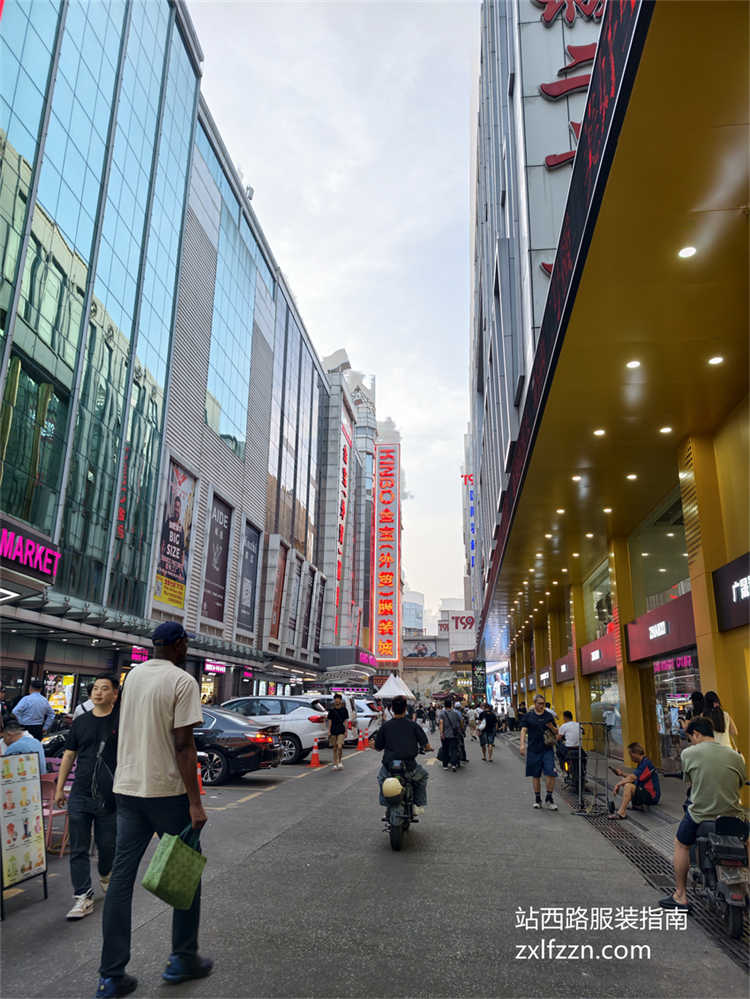
Why the "No After-Sales" Rule Changed Everything for Us
I've been standing behind my counter in the Zhanxi area of Guangzhou for over fifteen years. I remember when the air was thick with cigarette smoke and the noise of haggling never seemed to stop. Back then, if a buyer had a problem with a shirt or a pair of jeans, we would fix it, exchange it, or at least offer a discount on the next order. It was part of the deal. But recently, things have shifted dramatically. The big news everyone is talking about is that many sections of the Guangzhou Zhanxi Clothing City have officially stopped offering after-sales service. For a lot of overseas buyers, this sounds like a nightmare. They think, "If I can't return defective goods, why should I buy here?" But let me tell you something from the inside: this isn't a trap; it's a necessary evolution for the market to survive.
The End of the "Easy Fix" Era
You need to understand the reality of the floor. In the past, we used to handle returns because the volume was manageable. Now, with the sheer scale of trade, especially with the rise of cross-border e-commerce giants sourcing from Guangzhou Zhanxi clothing, the logistics of taking back a single defective item are impossible. We are talking about thousands of orders moving daily. If every small shop had to process returns, the entire supply chain would collapse. So, the decision to cut off after-sales wasn't made out of malice. It was made out of necessity. The market has moved from a relationship-based model to a transaction-based model. This means your risk management strategy needs to change completely before you even step onto the street.
Mastering the Art of Pre-Order Inspection
Since we can't rely on a safety net after the fact, the entire burden of quality control shifts to the moment you are standing right in front of the fabric. This is where most foreign buyers make their fatal mistakes. They try to negotiate prices first and look at the goods later. That is a recipe for disaster in the current climate. When you walk into the Zhanxi foreign trade zones, you must treat every piece of clothing as if it were already yours. You need to inspect the stitching, check the lining, feel the weight of the material, and verify the labels before you even think about signing a purchase order.
The Golden Rule: Sample Before Bulk
I cannot stress this enough: never, ever skip the sample phase. Even if the price looks too good to be true, you must ask for a physical sample. In places like the Jinbao Foreign Trade building, the variety is overwhelming. You might see a jacket that looks perfect in the photo but feels cheap in person. Take that sample back to your hotel room. Wash it. Stretch it. Look at the seams under a magnifying glass. If the sample doesn't pass your rigorous standards, do not proceed with the bulk order. Many buyers lose money because they trust the photos sent via WhatsApp instead of trusting their own eyes and hands. The rule here is simple: if you don't touch it, you don't buy it.
Navigating the Floor: How to Talk to Stall Owners
Walking through the corridors of Zhanxi can be intimidating. The language barrier is real, and the pace is fast. But once you get past the initial shock, you'll find that the stall owners are actually quite direct. They appreciate buyers who know what they want. When you approach a booth, don't just ask for the price. Ask about the production capacity, the lead time, and the specific materials used. Be clear about your expectations regarding quality. If you say, "I need high-quality stitching," they will know exactly what you mean. However, be prepared for them to push back if you ask for "after-sales support." They will likely tell you flat out, "No returns, no exchanges." Do not get angry. Accept this condition immediately and focus your energy on getting the best possible product upfront.
Built-in Quality Checks
One trick I use with my regular clients is to hire a third-party inspection agency to meet them at the warehouse. These agencies are experts in spotting defects that the untrained eye misses. They check for loose threads, color bleeding, and sizing inconsistencies. Since we are cutting off after-sales, having an independent verifier on-site during the final loading of your container is non-negotiable. It costs a little extra, but it saves you from shipping back a whole container of bad goods. This is the new standard for doing business in Guangzhou Zhanxi clothing markets today.
Building Trust Without Contracts
In the old days, we relied on long-term relationships and verbal promises. Today, trust is built through transparency and documentation. When you are dealing with Zhanxi foreign trade suppliers, ask for detailed photos of the actual batch you are buying, not just stock photos. Request video calls where they show you the goods being packed. This creates a digital paper trail that holds both parties accountable. While we may not offer refunds, we still care about our reputation. A supplier who consistently delivers poor quality will eventually lose their customers, even without a formal contract. So, choose your partners wisely. Stick to the stalls that have been around for years and have a steady stream of repeat international clients.
The Reality of Logistics
Finally, remember that the cost of shipping from China is significant. Trying to return a small batch of defective items often costs more than the value of the goods themselves. This is another reason why the "no after-sales" policy makes sense economically. Your goal should be to get the order right the first time. Plan your inventory carefully. Order slightly less than you think you need initially to test the market, rather than over-ordering and hoping for the best. By adapting to this new reality, you can still find incredible deals and high-quality fashion in Guangzhou. The market is still alive, vibrant, and full of opportunities, but only for those who are ready to take responsibility for their own quality control.