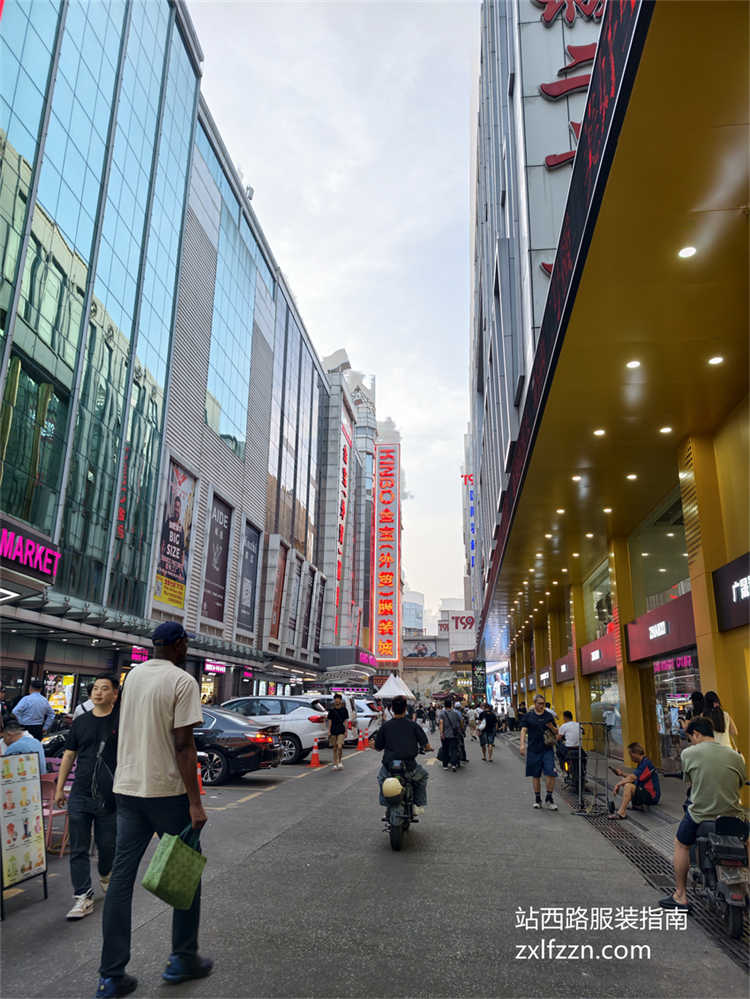
From Guangzhou Railway Station to Haxi: A Veteran's Guide to the Real Wholesale Game
Listen, I've been standing in the same spot at the Haibai Building (Haibai Yi) near Guangzhou Railway Station for over fifteen years. While everyone is talking about online sourcing and AI algorithms, the real money in the garment trade is still made on the ground, shaking hands, feeling fabric, and negotiating face-to-face. You mentioned "Haxi Clothing City" in Harbin? That's a specific target, but let me tell you something: if you are an overseas buyer looking for that kind of volume, starting your journey at the Guangzhou Railway Station area is where you need to be. This isn't just about buying clothes; it's about understanding the supply chain from the source.
The Myth of the "One-Stop Shop"
First, let's clear up a massive misconception. Many new buyers think they can walk into one building, buy everything, and ship it all out. In the world of Guangzhou Zhanxi wholesale clothing, that simply doesn't work. The station area is a beast. It's not a mall; it's a battlefield of logistics and specialization. When I first started, I tried to do it all in one go and lost thousands in shipping fees because I didn't understand the weight distribution of different fabrics. The reality is that the Zhanxi foreign trade ecosystem is fragmented by design. Some buildings specialize in denim, others in silk, and some in fast-fashion knitwear. If you want to succeed, you have to treat this like a military operation, not a shopping trip.
Navigating the Haibai Maze: Where the Real Action Is
You asked about the route from Guangzhou Railway Station to Haxi, but let's focus on the starting point: the Haibai Building. This place is legendary. It's not as polished as the newer malls, but it holds the deepest pockets of inventory. When I walk through Haibai, I don't look at the flashy displays; I look at the back rooms. That's where the Jinbao Foreign Trade connections live.
How to Spot a Genuine Factory vs. A Middleman
Here is my golden rule after decades of experience: never trust a stall that has no stock room visible or behind the counter. At Haibai, specifically on floors 3 and 4, you will find stalls that claim to be factories. But how do you know? Ask them to show you their "sample wall." A true factory owner will have racks of unfinished garments or bulk rolls of fabric right there. I once saw a buyer get scammed by a middleman who claimed to be the direct supplier of a famous brand. He had no access to the production line. When I intervened, I showed him the actual factory floor in Panyu, which was three hours away. The price difference was 30%. That's the cost of ignorance.
The Art of Negotiation: Beyond the Price Tag
In the Guangzhou Zhanxi market, the price listed on the tag is rarely the final price. It's a starting point. When I negotiate with suppliers for clients heading to places like Haxi, I always ask for the "MOQ" (Minimum Order Quantity) break points. For example, if you order 50 pieces, the price might be $15. But if you commit to 500, it drops to $9. The trick is to bundle orders. I often group small international buyers together to hit those volume thresholds. One time, I combined orders from three different clients to reach a threshold that unlocked a special dyeing process usually reserved for huge domestic brands. That saved us $4 per unit. Over 2,000 units, that's $8,000 in pure profit.
The Logistics: From Zhanxi to Harbin's Haxi
Now, let's talk about the destination. You mentioned Haxi Clothing City in Harbin. That is a massive retail hub in Northeast China. If you are supplying there, you aren't just selling to a few shops; you are feeding a regional ecosystem. The logistics from Guangzhou to Harbin are complex. Most people try to use standard courier services, but for heavy clothing shipments, that's a disaster. You need to use the specialized freight forwarders located right outside the railway station.
Shipping Strategies for Heavy Loads
I recommend using the "LCL" (Less than Container Load) service if you aren't filling a whole container. There are several reliable agents near the station who handle consolidation daily. They weigh, measure, and pack your goods before sending them via rail or truck to Harbin. The transit time is usually 3 to 5 days. But here is the catch: packaging. If you send loose bags, customs or the carrier might reject them. I always insist on polybagging every single item and boxing them tightly. I learned this the hard way when a shipment arrived in Harbin with torn bags due to poor stacking. The client refused the payment. Never cut corners on packaging.
Real data: What You Can Actually Buy
Let's get concrete. If you are looking for specific items, here is what I see moving through the market right now. For winter coats, the best deals are in the Jinbao Building. I work closely with a supplier named "Golden Star Garment" on the 2nd floor of Jinbao. They specialize in down jackets. Their current lead time is 7 days for samples and 15 days for bulk. The price range for a mid-quality down jacket is between $12 and $18 depending on the fill power. Compare that to retail prices in Harbin, where similar items sell for $60-$80. The margin is huge, but only if you control the quality.
Quality Control Checklist
Before you pay the deposit, you must check these three things:
- Stitch Density: Count the stitches per inch. Anything less than 10 is cheap and will rip easily.
- Fabric Weight: Use a digital scale. If the label says 300gsm but weighs 250gsm, you are being cheated.
- Color Fastness: Rub a white cloth against the fabric. If it stains, do not accept it.
Common Pitfalls and How to Avoid Them
I've seen too many overseas buyers lose their shirts. Here are the top mistakes I see:
- Ignoring the Seasonality: Guangzhou moves fast. If you wait until the last minute, prices skyrocket. Plan your orders 3 months in advance.
- Not Verifying the Supplier: Always visit the factory. If they refuse, walk away. No factory fears a visit.
- Underestimating Customs: Make sure your HS codes are correct. A wrong code can delay your shipment at Harbin customs for weeks.
Summary Table: Key Locations and Specialties
| Building Name | Location | Specialty | Recommended Contact Strategy |
|---|---|---|---|
| Haibai Building | Railway Station Area | Fast Fashion, Knitwear | Negotiate directly on floors 3-4; ask for sample wall. |
| Jinbao Building | Adjacent to Haibai | Outerwear, Down Jackets | Focus on 2nd-floor suppliers like Golden Star Garment. |
| Baoyuan Market | North of Station | Denim, Casual Wear | Best for bulk denim orders; check seam strength. |
| Haxi Clothing City | Harbin Destination | Retail Hub | Target regional distributors; ensure packaging meets standards. |
Final Thoughts: The Human Element
At the end of the day, the Guangzhou Zhanxi clothing market is about relationships. It's not just about transactions; it's about trust. When you walk into a stall, smile, speak clearly, and show respect. Treat the shop owners like partners, not enemies. I have built a network of suppliers who give me priority during peak seasons because we have worked together for years. If you are serious about supplying Haxi or any other major market, come to Guangzhou, stay for a week, and build those connections. The internet can give you information, but only your feet on the ground can give you the truth. Go out there, feel the fabric, and make the deal happen.