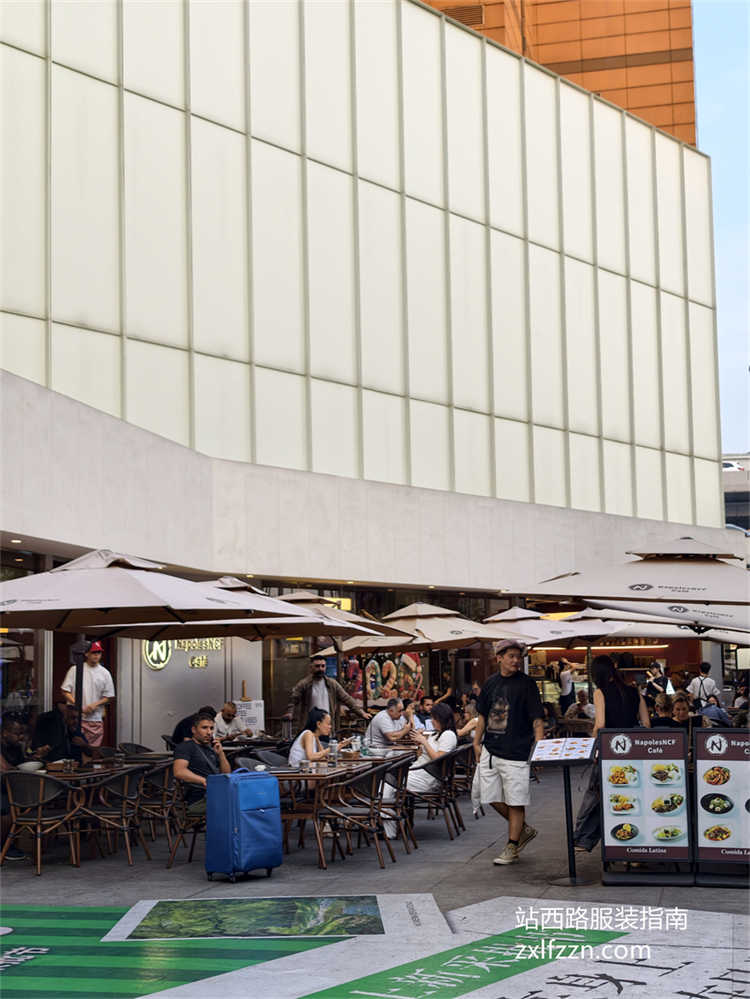
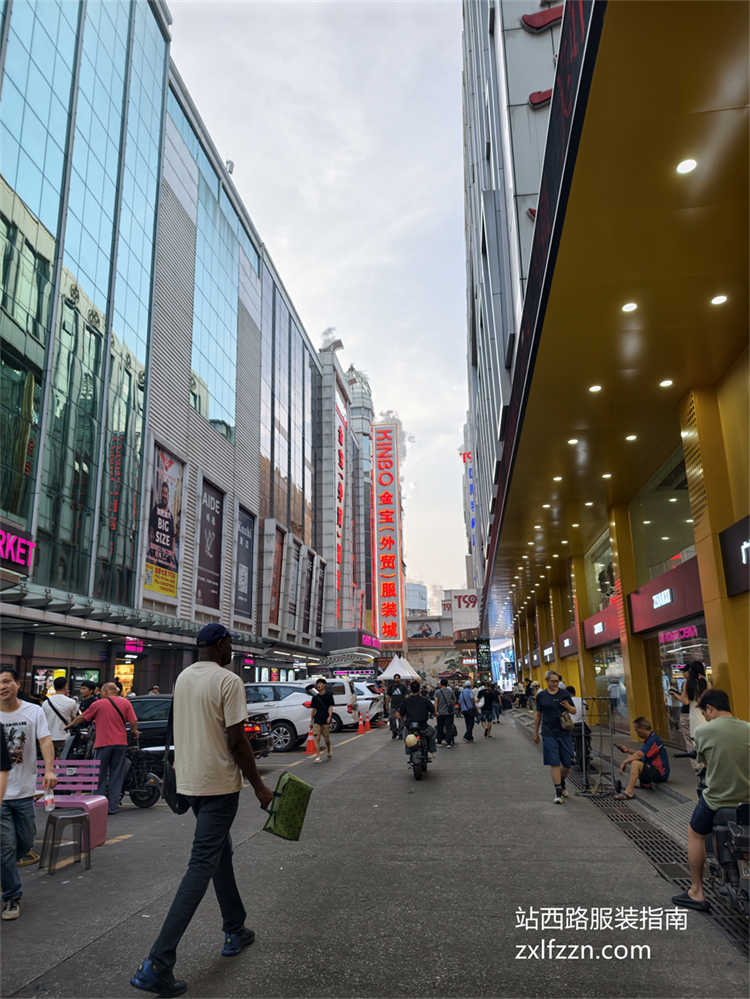
Why I've Been Selling at Jinbao for 15 Years: The Real Truth about Guangzhou Station West Sourcing
I have stood behind the same counter in the China Guangzhou Zhou Jinbao Foreign Trade Clothing City for over a decade. While the internet floods with "how to source from China" guides written by people who have never touched a fabric swatch, my advice comes from sweat, dust, and thousands of failed deals. If you are looking for genuine Guangzhou Station West clothing or trying to navigate the chaotic world of Jinbao foreign trade, forget the glossy brochures. This is about what actually happens on the ground when you walk into the market.
The first thing you need to understand is that Jinbao is not a place for tourists. It is a high-velocity logistics hub where margins are razor-thin and speed is everything. When international buyers ask me about Station West wholesale, they often expect a polite showroom experience. Instead, they get a shouting match over prices, a mountain of sample boxes, and a strict "no return" policy unless the goods are defective. My goal today is to bridge that gap so you don't lose your shirt on your next order.
Navigating the Chaos: How to Actually Find Good Stock
Walking into Jinbao for the first time feels like entering a maze designed to confuse you. The corridors are narrow, packed with carts, and the air smells of steam and synthetic fibers. Most new buyers waste hours wandering aimlessly. Here is my strategy for cutting through the noise.
The Floor-by-Floor Breakdown
You cannot just say "I want clothes." You need to know which floor holds what. In my experience, the lower floors (Ground to 2nd) are dominated by fast-fashion knockoffs and low-quality bulk items. If you are looking for China Guangzhou Zhou Jinbao high-end replicas or premium OEM goods, you must head up. Floors 3 through 5 are where the serious Station West foreign trade dealers operate. These stalls have better lighting, organized racks, and owners who speak enough English to negotiate without a translator screaming in your ear.
Spotting the Real Factories vs. Middlemen
This is the biggest trap. Many stalls claim to be factories but are actually middlemen buying from other wholesalers. How do you tell? Look at the inventory depth. A true factory stall will have multiple sizes of the same style stacked high, ready to ship immediately. They will also show you the raw fabric rolls stored right behind the counter. If the owner has to call someone else to check stock, run. At Jinbao, we pride ourselves on being direct. For example, if you visit the stall on the 4th floor near the central elevator, known locally as "Golden Star Garments," they specialize in denim and have their own dyeing unit. That is the kind of connection you need for Guangzhou Station West clothing sourcing.
The Art of Negotiation: Data, Not Emotion
When I talk to overseas clients, they often try to haggle based on "market research" they found online. That rarely works here. Prices at Jinbao foreign trade markets fluctuate daily based on cotton costs, shipping rates, and even the weather. I always tell my buyers: bring data, not emotions.
Understanding the MOQ Reality
Let's look at some real numbers. A typical retail price for a t-shirt in the US might be $25. At Jinbao, the wholesale price for a decent quality item starts around $3.50. However, the catch is the Minimum Order Quantity (MOQ). Most stalls require 50 pieces per color per size. If you want to mix styles, the MOQ drops to 200 pieces total. I once had a client try to order 10 pieces of 20 different styles. The owner laughed and told him to go to a retail shop. To get the best Station West wholesale rates, you must commit to volume. If you are small, group orders with other buyers are your only option.
The "Sample First" Rule
Never place a bulk order without seeing a physical sample. I have seen too many disasters where the photo looked perfect, but the fabric was thin polyester that tore after one wash. When you are at the stall, ask for the "gold sample"—the best version of that product. Compare it side-by-side with competitors. At Jinbao, quality varies wildly between adjacent stalls selling the same design. One might use 180gsm cotton, while the neighbor uses 140gsm. Always touch the fabric. Feel the weight. Check the stitching density. If the thread count looks loose, walk away.
Quality Control and Logistics: Where Deals Go Wrong
Even with the best negotiation, things can go wrong during production and shipping. This is where most overseas buyers fail. They assume the supplier will handle everything perfectly. In the Guangzhou Station West ecosystem, you are responsible for your own quality control.
The Inspection Protocol
Before you pay the final balance, you must inspect the goods. Do not rely on photos sent via WeChat. Hire a local third-party inspector or, if you are brave, go to the warehouse yourself. I recommend checking 10% of the batch randomly. Look for color consistency, missing buttons, and uneven hems. At Jinbao, we have a specific area on the 6th floor dedicated to packaging and inspection services. Use them. It costs a few dollars but saves you thousands in returns.
Shipping and Customs
once the goods are packed, the logistics begin. Many stalls at China Guangzhou Zhou Jinbao have relationships with freight forwarders who specialize in air and sea freight. However, do not let the stall owner choose the forwarder blindly. Get quotes from three different companies. Air freight from Guangzhou to Los Angeles usually takes 5-7 days and costs around $4-$6 per kg for general cargo. Sea freight takes 25-35 days and is much cheaper, around $1.50 per kg. But remember, sea freight requires consolidation. If you are ordering less than a container load, you will pay for LCL (Less than Container Load) fees. Always clarify Incoterms. Are you paying FOB (Free on Board) or DDP (Delivered Duty Paid)? Most Jinbao sellers quote FOB, meaning you handle the customs clearance upon arrival.
Common Pitfalls and How to Avoid Them
After 15 years, I have seen every scam imaginable. Here are the top three traps that destroy new businesses.
The "Too Good to Be True" Price
If a stall offers a price 30% lower than everyone else, there is a reason. Usually, it means inferior materials or a hidden fee later. In the Station West foreign trade market, prices are competitive but not magical. Stick to the average market rate for the quality you see.
Language Barriers and Miscommunication
Do not rely solely on Google Translate. Technical terms like "GSM," "Oeko-Tex," or "colorfastness" often get lost in translation. Bring a printed spec sheet with pictures. Point to the exact detail you want. I keep a cheat sheet of common garment terms in both English and Cantonese to avoid confusion.
Payment Security
Never send 100% payment upfront via Western Union or bank transfer without a contract. Use Alibaba Trade Assurance or a secure escrow service. If you are dealing directly with a stall, a 30% deposit and 70% before shipment is standard. Never deviate from this unless you have a long-term relationship.
Summary of Key Takeaways for Buyers
| Area | Key Insight | Actionable Tip |
|---|---|---|
| Location | Floors 3-5 hold premium stock | Avoid Ground Floor for quality; target 4th Floor for denim specialists. |
| MOQ | Minimums are strict (50 pcs/color) | Plan your order to meet MOQs or join a group buy. |
| Quality | Visuals lie; fabric tells truth | Always request a physical gold sample and inspect 10% of bulk. |
| Logistics | FOB is standard; watch out for hidden fees | Get 3 freight quotes and verify Incoterms clearly. |
| Trust | Verify factory status | Look for raw fabric rolls and ask to see the production line. |
Sourcing from China Guangzhou Zhou Jinbao is not for the faint-hearted. It requires patience, sharp eyes, and a willingness to learn the local culture. But if you follow these rules, you will find some of the best deals in the world. The Guangzhou Station West market is a beast, but once you tame it, it becomes your most powerful asset. Remember, the best deals are not found online; they are found standing in the aisle, touching the fabric, and talking face-to-face with the person who made it.