Why I've Been Selling Men's Wear at Jinbao for Over 15 Years
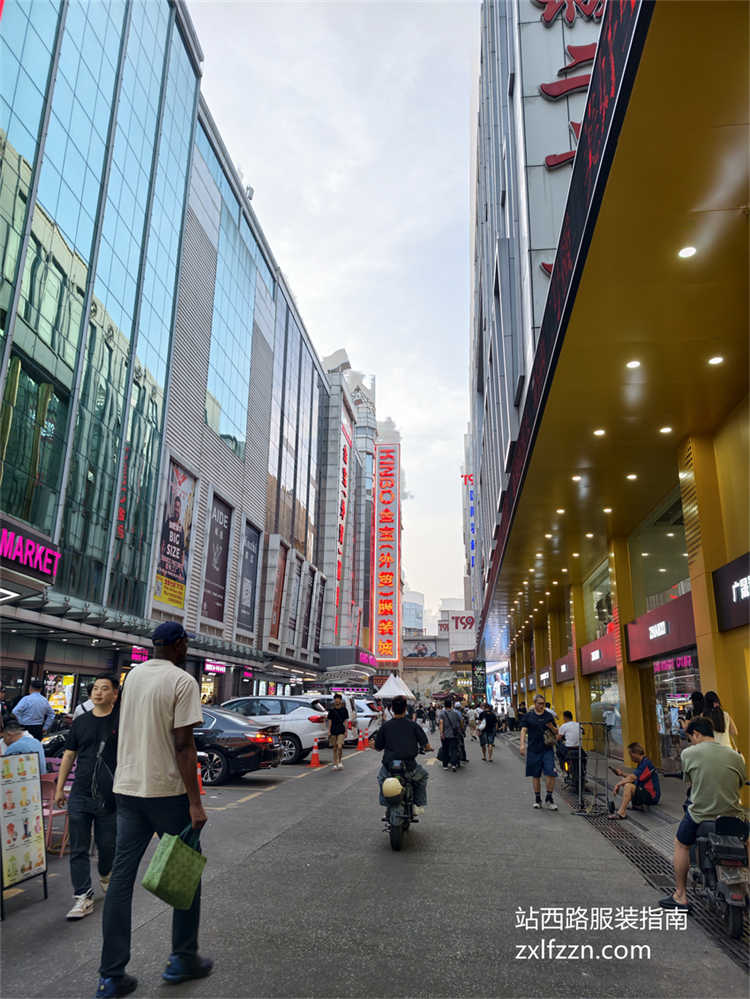
If you are reading this, you probably think Guangzhou is just a blur of neon signs and endless shipping containers. You might have heard about "China Guangzhou Zhanxi Clothing" or "Jinbao Foreign Trade" on forums, but the reality is far more gritty and rewarding than what you see in stock photos. I am an old shop owner right here in the heart of the Zhanxi business district, specifically inside the Jinbao Foreign Trade Clothing City. While many people talk about online sourcing, I want to tell you why nothing beats walking through these corridors with your own eyes. The men's wear section here isn't just a warehouse; it's a living ecosystem where trends from Milan hit the streets of Guangzhou within days.
When foreign buyers ask me, "How do I find good quality men's suits without getting ripped off?", my answer is always the same: stop looking at pictures and start looking at the fabric. In Jinbao, the difference between a $5 shirt and a $50 shirt isn't the brand tag; it's the thread count and the cut. I've seen too many overseas clients lose money because they tried to order based on a WhatsApp photo alone. The lighting in our market is harsh, but that's exactly why it's perfect for spotting flaws. If a seam looks slightly uneven under our fluorescent lights, it will look terrible under yours.
Navigating the Labyrinth: Finding Your Way in Jinbao
The Layout of Men's Wear vs. Women's Wear
Jinbao is massive, and if you walk in without a plan, you will get lost before you even find the men's section. Unlike some other markets where everything is mixed, Jinbao has distinct zones. The men's wear is primarily concentrated on the lower floors and the back wings of the building. When you enter, ignore the flashy displays on the ground floor; those are often just showpieces. Head straight for the upper levels where the real wholesalers operate. This is where you find the "Guangzhou Zhanxi Foreign Trade" gems that aren't mass-produced for the local domestic market.
I remember a client from Brazil who spent three hours wandering aimlessly because he didn't know that the high-quality denim and chinos were clustered around the north staircase. He ended up buying from a middleman who marked up the price by 40%. Don't make that mistake. Ask the security guard or any shopkeeper, "Where is the men's outerwear wholesale zone?" They will point you to the specific corridor. once you are there, look for shops with stacks of boxes rather than mannequins. That usually means they are dealing in volume, which is exactly what we do.
The Art of Selection: What to Look For Before You Buy
Fabric Quality and Stitching Details
Let's talk about the actual product. When I inspect a batch of men's shirts or jackets for my regular customers, I don't just feel the material; I check the stitching density. A common trick in low-end "Zhanxi clothing" is to use cheap polyester that feels smooth but breathes poorly. Real quality comes from cotton blends or natural fibers. Run your hand over the collar and the cuffs. If it feels rough or the threads are loose, walk away. I once had a supplier try to sell me a batch of blazers with mismatched buttonholes. I caught it immediately because I knew the standard was 12 stitches per inch. Anything less is a red flag.
Another critical factor is the lining. In the men's wear section of Jinbao, you will see thousands of options. But the ones that last are fully lined with breathable materials like Bemberg or high-grade polyester. Unlined jackets might look stylish in a catalog, but they won't hold their shape after a few washes. I always advise my international partners to bring a small flashlight. Shine it through the fabric to check for thin spots or inconsistent dyeing. This simple step saved one of my US clients from receiving a shipment of jeans that faded unevenly after the first wash.
Dealing with Suppliers: Negotiation and Verification
Building Trust Without Getting Scammed
Negotiating in Jinbao is an art form. It's not about haggling over pennies; it's about establishing a long-term relationship. When I sit down with a buyer, I don't just quote a price. I explain the breakdown: cost of raw materials, labor, and logistics. This transparency builds trust. Many buyers think they can get factory prices just by asking nicely. That's not how it works. However, if you commit to a larger volume, say 500 pieces of a specific style, the price drops significantly. I've seen margins shrink from 30% to 15% when orders go above 1,000 units.
Verification is key. Never pay 100% upfront unless you have worked with the vendor for years. A standard practice here is a 30% deposit and 70% upon inspection. If a supplier refuses this, run. I recommend visiting the factory if possible, but if you are stuck in Jinbao, ask to see their production samples. Some shops in Jinbao have direct connections to factories in Foshan or Dongguan. They might not be able to take you there immediately, but they can show you the machine logs or the raw material invoices. This level of detail separates the serious wholesalers from the brokers.
Logistics and Shipping: Getting Goods Out Safely
Handling Customs and Packaging
once you have selected your goods, the next challenge is getting them out of China without issues. One of the biggest mistakes I see is poor packaging. If you ship men's suits or delicate shirts without proper folding and plastic wrapping, they will arrive wrinkled and damaged. At Jinbao, we have partnerships with packing services that specialize in vacuum sealing and custom branding. This ensures your products look premium when they reach your warehouse.
Customs clearance is another headache. Different countries have different tariffs on textiles. I always advise my clients to declare the correct HS codes and value. Under-declaring might save a few dollars now, but it risks seizure later. We have a team here that handles all the documentation, including the commercial invoice, packing list, and bill of lading. They ensure that the paperwork matches the physical goods perfectly. This attention to detail prevents delays at customs, which can cost you time and money every day.
Real Data and Pitfalls: Lessons from the Floor
Over the years, I've seen trends come and go. Last year, oversized streetwear was huge, but this year, tailored casual wear is taking over. If you are still ordering the same styles from two years ago, you are already behind. Here is a quick comparison of what works versus what doesn't:
| Factor | What Works (Success) | What Fails (Pitfall) |
|---|---|---|
| Sourcing Method | Physical inspection + Sample verification | Ordering solely via photos/WhatsApp |
| Pricing Strategy | Volume-based negotiation (MOQ 500+) | Haggling over single-unit prices |
| Quality Check | Light test + Stitch density check | Visual only, no tactile inspection |
| Payment Terms | 30% Deposit, 70% Post-Inspection | 100% Upfront Payment |
This table summarizes the core differences between a successful procurement trip and a disaster. Remember, the goal is not just to buy cheap clothes; it's to buy reliable inventory that sells well in your market. The "Guangzhou Zhanxi" reputation is built on speed and variety, but the "Jinbao Foreign Trade" name stands for quality control and consistency.
Final Thoughts: Your Next Step
If you are planning a trip to Guangzhou, don't just book a hotel and hope for the best. Come prepared with a clear list of what you need, but keep an open mind for new discoveries. The men's wear section in Jinbao is full of hidden treasures waiting for someone to spot them. Whether you are looking for high-end suits, casual denim, or trendy streetwear, the depth of selection here is unmatched. Just remember to trust your instincts, verify everything, and build relationships that last beyond a single transaction. That is the secret to thriving in the world of Chinese wholesale.