Why I've Been Selling at Jinbao for 15 Years: The Real Truth about Guangzhou Station West Sourcing
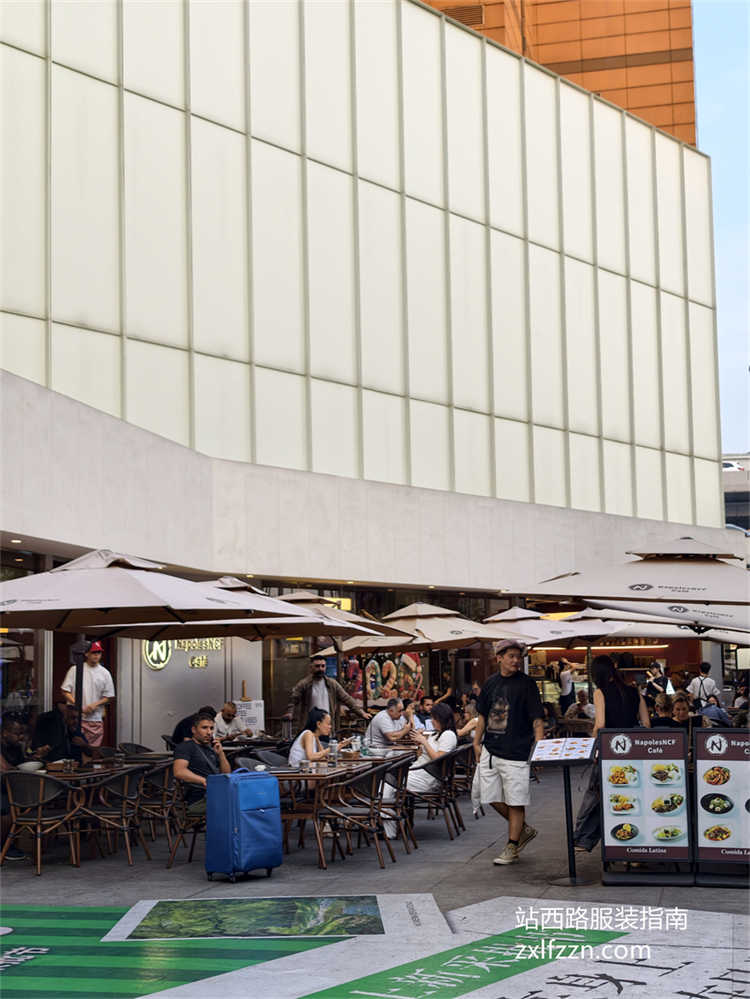
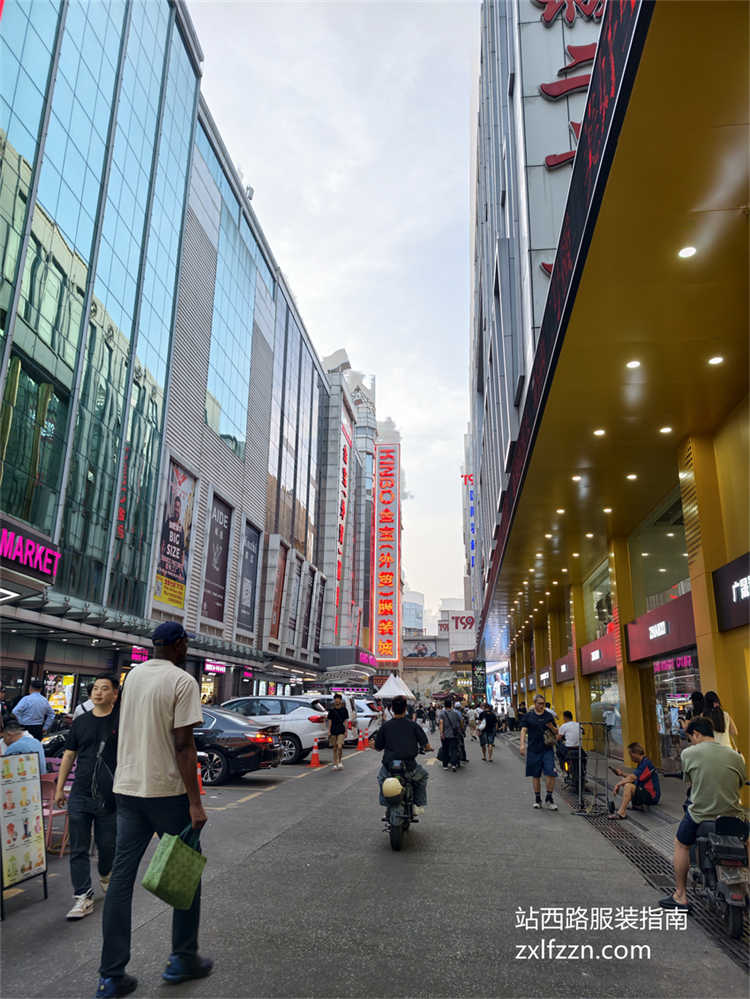
Listen, I've been standing behind this counter in the Jinbao Women's Clothing Foreign Trade City since before the pandemic even started. While everyone is talking about "online sourcing" and "AI trends," I'm still here in the thick of it, watching thousands of foreign buyers walk through these doors every single day. If you think you can just Google "Guangzhou Station West clothing" and find a perfect deal without stepping foot here, you're already losing money. The real magic, the real margins, and the real quality checks only happen when you are physically standing in the aisles of Jinbao.
The Vibe of Station West vs. The Internet
You see, the internet shows you a filtered version of reality. When you search for "Jinbao foreign trade," you get pictures of perfect models. But down here? It's chaos, noise, and sweat. That's where the value is. I remember a client from Brazil last month who tried to order via WhatsApp based on photos. He got what he paid for—cheap fabric that looked okay in the photo but felt like sandpaper in person. He came back to me two weeks later, desperate. We walked the floor together, touched the fabrics, checked the stitching, and found him a better batch within an hour. That is the difference between a screen and a store.
Navigating the Labyrinth: How to Actually Find Good Stock
Jinbao isn't a small mall; it's a massive complex with multiple floors, each dedicated to different styles and price points. If you wander in without a plan, you'll be exhausted by noon and empty-handed. Here is my street-smart guide on how to move through this place efficiently.
Floor-by-Floor Strategy
Most first-timers make the mistake of starting on the ground floor. Don't do it. The ground floor is mostly for quick turnover items and tourists looking for cheap souvenirs. If you are looking for serious "Guangzhou Station West fashion" or high-quality export surplus, head straight for the upper levels. Floors 2 and 3 are where the real "Jinbao foreign trade" action happens. This is where you find the boutique-style women's wear that actually sells well in Europe and North America. You will see racks packed with brands like Zara knock-offs, but also genuine OEM leftovers from factories that supply big European retailers.
Identifying the Right Stall
Not all stalls are created equal. Some are just middlemen reselling goods they bought from other wholesalers. To find the source, look for the signs. A genuine factory-direct stall often has piles of clothes stacked neatly on the floor rather than hung up perfectly. They might not have air conditioning, and the owner might be busy folding shirts while you talk. That's a good sign. For example, if you are looking for summer dresses, check out the stalls near the central corridor on Floor 3. I personally recommend checking the area around Stalls 305-310, where the owner, Auntie Lin, specializes in silk-blend blouses. She has been here for over a decade and knows exactly which batches are coming from the Dongguan factories versus the local Shenzhen ones.
The Art of Negotiation: Getting the Best Price Without Getting Burned
This is where most foreigners fail. They try to negotiate like they are buying a car in the US. In Jinbao, negotiation is a dance. You need to show you know the market, but you also need to respect the vendor's margin. If you ask for a 50% discount immediately, you will be laughed out of the shop.
Understanding MOQ and Mix-and-Match
Let's talk numbers. A typical MOQ (Minimum Order Quantity) for a specific style at Jinbao is usually 10 pieces per color per size. However, if you are willing to mix and match across different styles, many vendors will lower the total MOQ to 50 pieces. I once helped a buyer from Canada reduce his initial order from $5,000 to $2,500 by agreeing to take a mix of three different styles instead of one bulk style. He saved on shipping costs and reduced his risk. Always ask: "Can I mix colors?" and "What is the price break at 100 pieces?" The answer is almost always yes, but you have to ask.
The "Sample First" Rule
Never, ever place a bulk order without seeing a sample first. Even if the photos look perfect. I've seen too many buyers lose thousands because the "white" shirt was actually off-white, or the zipper broke after one wash. At my stall, I always tell new clients: "Buy one piece as a sample." If they refuse, I don't sell to them. It sounds harsh, but it saves everyone time. once you buy the sample, inspect it thoroughly. Check the seams, the lining, and the tag quality. If the sample passes, then we talk about the bulk price.
Quality Control: What to Look For Before You Pay
When you are dealing with "Guangzhou Station West clothing," quality control is your biggest headache. The market is flooded with varying grades of goods. Here is my checklist for spotting bad quality before you hand over your cash.
Stitching and Fabric Feel
Run your fingers over the fabric. Does it feel thin? Is it sheer? In the summer heat of Guangzhou, some vendors use very light polyester to cut costs. If you are targeting a premium market, avoid these. Look for double-stitched hems and reinforced buttons. Also, check the inside of the garment. A good export-grade item will have clean finishes inside, no loose threads hanging around. If the inside looks messy, the outside probably won't hold up either. I once rejected a shipment of 500 blouses because the lining was sewn crookedly. The buyer would have returned them all, costing us both a fortune.
Color Consistency
This is a common pitfall. You might order 100 red shirts, but half of them are slightly darker than the others due to dye lot variations. Always ask the vendor to show you the entire batch, not just the top layer. Ask to see the "dye lot number" if possible. In my experience, the best vendors keep their stock organized by production run so they can guarantee color consistency.
Common Pitfalls and How to Avoid Them
I've seen it all. Buyers getting scammed, shipments delayed, and customs issues. Here are the top mistakes I see foreign buyers make at Jinbao.
Ignoring Shipping Logistics
Many buyers focus only on the product price and forget the logistics. Shipping from Guangzhou to your country can be tricky. Don't just rely on the vendor to handle everything unless they are experienced. I recommend using a freight forwarder who specializes in "China to [Your Country]" routes. They can consolidate your goods from multiple stalls in Jinbao into one container, saving you huge shipping fees. If you try to ship 50 small packages separately, you will pay a fortune in handling fees.
Payment Security
Never transfer money directly to a personal bank account without a contract. Use Alipay or WeChat Pay with a verified business account, or better yet, use a secure escrow service if you are ordering large quantities. I always insist on a deposit of 30% and the balance before shipment. This protects both parties. If a vendor refuses this, run. There are too many scams in the market, and you don't want to be the next victim.
Summary: Your Action Plan for a Successful Trip
To wrap it up, sourcing from Jinbao Women's Clothing Foreign Trade City is not easy, but it is incredibly rewarding if you do it right. Here is a quick summary of my advice:
| Step | Action Item | Key Tip |
|---|---|---|
| Preparation | Research styles and set budget | Focus on Floors 2-3 for quality |
| On-Site | Visit specific stalls (e.g., Auntie Lin) | Ask to see the full batch, not just samples |
| Negotiation | Discuss MOQ and mix-and-match | Aim for 10-piece MOQ per style/color |
| QC | Check stitching, fabric, and color | Inspect the inside of garments |
| Logistics | Hire a reliable freight forwarder | Consolidate orders to save shipping |
If you follow these steps, you will find that "Jinbao foreign trade" is not just a buzzword, but a goldmine for savvy buyers. Come down to Guangzhou, walk the floor, touch the fabric, and build relationships with the people who know the market best. That is the only way to win in the long run.