

Why You Don't Need a Phone Number to Win at Guangzhou Station West
I have been standing in the dust and noise of the Station West district for over twenty years. I've seen empires rise and fall, from the golden era of "Made in China" labels to the current surge of cross-border e-commerce giants. If you are reading this looking for a specific phone number for the "Station West Clothing City Procurement Department," let me tell you something straight: that number doesn't exist in the way you think it does. In my experience, trying to call a generic procurement line is the fastest way to waste your time and money before you even pack your bags.
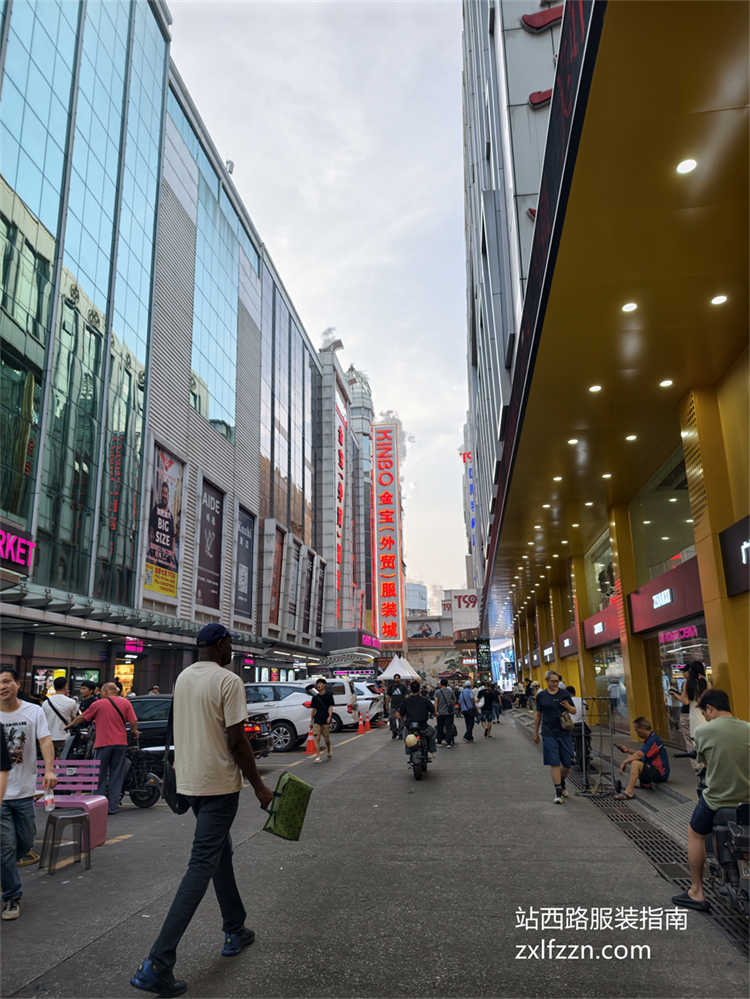
The truth about Guangzhou Station West clothing markets is that they run on relationships, face-to-face negotiation, and physical presence. There is no central customer service desk that can ship you a catalog or arrange a factory visit via a hotline. The entire ecosystem is decentralized across hundreds of buildings like Baoma, Jinbao, and various smaller wholesale complexes. When I first started, I made the same mistake as many overseas buyers do—thinking there was a corporate structure behind these chaotic streets. It took me three failed trips to realize that the real power lies in walking the floor, not dialing a number.
The Myth of the Central Procurement Line
Why Calling Doesn't Work in Station West
Let's be clear about the structure here. Unlike a shopping mall in New York or London wher you have a management office, Station West is a collection of independent landlords and thousands of individual stall owners. Each building has its own security guard, but none of them have a "procurement department." If you find a number online claiming to be the official contact for the whole market, 99% of the time, it is either a scam or a middleman trying to take a commission without adding value.
In my decades of trading, I've learned that the most successful buyers ignore the phone entirely. They show up. Why? Because the inventory changes hourly. A stall owner might have fifty units of a trendy jacket today, and by tomorrow, they are sold out because a big buyer just walked in. If you rely on a phone call, you are already two steps behind. The only way to get the real price and the real stock status is to stand in front of the rack and ask, "How much for ten pieces?" directly to the person holding the hanger.
Navigating the Real Market: Jinbao and Beyond
Finding the Right Building for Your Niche
If you want to succeed with Station West foreign trade, you need to know which building holds your target goods. The area is massive, and getting lost is easy if you don't have a local guide or a solid plan. Let me break down the terrain based on what I see every day.
First, there is the Jinbao Foreign Trade complex. This is the heart of high-quality export surplus and OEM production. If you are looking for premium fabrics, better stitching, and items that were originally meant for Western brands, start here. The prices are slightly higher than the street stalls, but the quality consistency is unmatched. I recently sourced a batch of wool blends here that would have cost double in a standard retail store. The key is to go to the upper floors; the ground floor is often filled with tourists and low-margin knockoffs.
Then you have the Baoma International Fashion Center. This place is all about speed and volume. If you are running a fast-fashion brand or an Amazon FBA business, this is your playground. The turnover rate here is insane. I once saw a vendor sell out of a specific denim style in less than four hours after a new design hit the racks. But beware: the quality varies wildly. You must inspect every single piece. Do not trust the sample. Always ask to see the bulk stock.
For those hunting for ultra-low-cost basics, the older buildings surrounding the main plaza are wher you will find the deepest discounts. These are the places wher small workshops operate right above the stalls. You can sometimes negotiate direct factory prices if you buy in large enough quantities, usually starting at 500 pieces per style.
The Art of On-Site Sourcing and Negotiation
Inspection Tactics That Save Money
When you finally walk into a stall, how do you avoid getting ripped off? Here is my personal checklist that I use every single week. First, never accept the first price quoted. In Station West, the initial quote is always inflated by 30% to 50%. Start by asking, "What is your best price for 100 pieces?" If they say $10, counter with $6. Watch their reaction. If they hesitate, you are close. If they laugh and say "No way," you are too low.
Second, check the tags. Many stalls sell "export surplus" that still has original brand tags attached. While this sounds great, be careful. Some sellers mix genuine surplus with fake replicas. I once bought a shipment of "Nike" jackets that turned out to be perfect fakes with no resale value in the US. Always ask for the invoice and verify the origin. If they refuse to give you a receipt, walk away.
Third, test the fabric. Pull on the seams. Check the stitching density. In my experience, the difference between a $2 shirt and a $4 shirt is often just the thread count and the hemming technique. Don't be afraid to bring a magnifying glass or a light meter if you are buying electronics accessories, but for clothes, your eyes and hands are your best tools. I remember a time I saved $2,000 on a order simply because I noticed the lining was peeling off the sample when I pulled it gently.
Logistics and Payment: The Hidden Costs
Getting Your Goods Out Safely
once you have selected your goods, the next challenge is logistics. Most stall owners in Station West do not handle international shipping themselves. They work with freight forwarders who have offices right inside the market buildings. This is convenient, but you must vet them carefully. Never pay the full amount upfront unless you have a trusted relationship.
I recommend using a third-party inspection service if you are ordering more than $5,000 worth of goods. Companies like QIMA or SGS have agents in Guangzhou who can visit the warehouse, check the quality, and ensure the quantity matches your order before the goods leave China. The cost of this service is negligible compared to the loss of a bad shipment. Also, always agree on payment terms. For new buyers, a 30% deposit and 70% upon inspection is standard. If they demand 100% upfront, it's a red flag.
Summary of Key Strategies for Overseas Buyers
| Strategy | Common Mistake | My Pro Tip |
|---|---|---|
| Location Selection | Calling a generic number | Visit Jinbao for quality, Baoma for volume |
| Pricing | Accepting the first quote | Start negotiations at 50% of the asking price |
| Quality Control | Trusting the sample only | Inspect bulk stock immediately before payment |
| Logistics | Using random forwarders | Use established forwarders inside the market buildings |
| Payment | 100% upfront transfer | Stick to 30/70 split with inspection clause |
Remember, the Guangzhou Station West clothing market is a jungle. It rewards the bold, the prepared, and the persistent. There is no magic phone number that will solve your sourcing problems. The real secret is showing up, doing the legwork, and building trust with the people who actually make the clothes. If you follow these steps, you will not only save money but also build a supply chain that lasts for years. Go to the market, talk to the bosses, and watch your business grow.



 On-site Visits
 Free Sharing
 Avoid Scams
 Updated Frequently
 For Reference Only