

Why the Guangzhou Railway Station West Market is Your Secret Weapon for Global Sourcing
I've been standing behind this counter at the Guangzhou Railway Station West clothing wholesale market for over fifteen years. While the internet floods with "how-to" guides written by people who have never touched a single garment, I'm here to tell you what it actually feels like to source in person. If you are looking for Guangzhou Railway Station West clothing, you need to understand that this isn't just a mall; it's a chaotic, high-octane ecosystem wher deals happen in seconds and mistakes cost thousands of dollars. Many overseas buyers fly into Baiyun Airport, hop on the subway, and end up confused in the maze of buildings around the station. They think they are ready, but they aren't. Let me walk you through the real experience of sourcing from the Zhanxi foreign trade district.
The Subway Reality: Getting to the Heart of the Action
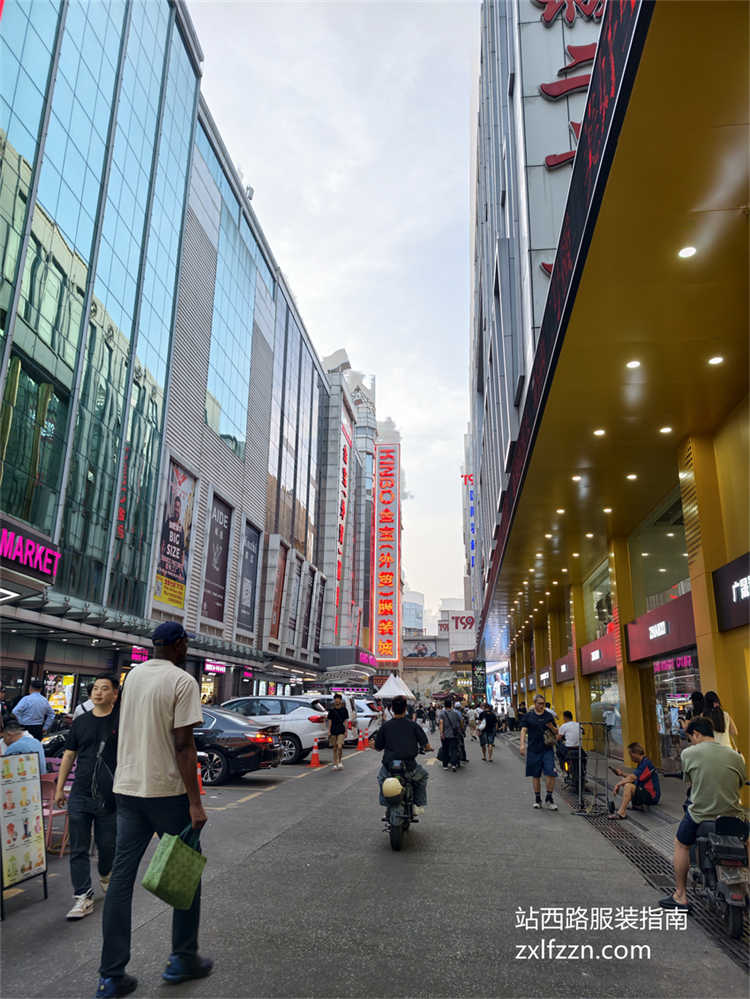
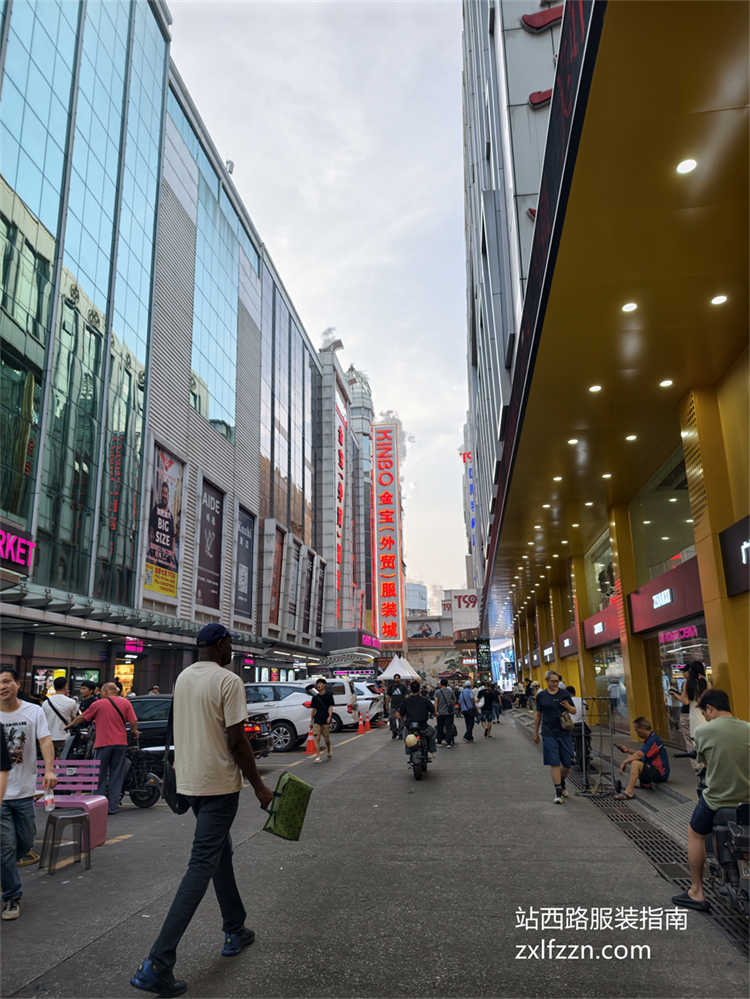
First things first, let's talk about logistics. The nearest subway stop is indeed the one serving the Guangzhou Railway Station West clothing zone. When you step off the train, do not look at your phone map immediately. Look at the crowd. The flow of people tells you everything. You will see porters dragging massive carts of boxes, drivers shouting into phones, and buyers carrying sample bags. This is the pulse of the Zhanxi foreign trade market. Unlike the polished showrooms in Tianhe or Haizhu, this area is raw. It is built for speed. If you are coming from abroad, expect the noise, the heat, and the sheer volume of activity. It is overwhelming if you are unprepared, but once you get your rhythm, it is the most efficient place on earth to find stock.
Navigating the Buildings: Wher the Real Deals Hide
There is no single "station." There are dozens of buildings connected by skybridges and underground tunnels. Most tourists go straight to the flashy front entrances, only to be quoted retail prices or told "no minimum order." That is a trap. The real Zhanxi foreign trade action happens in the back corridors and the upper floors of specific buildings.
Jinbao Foreign Trade: The Goldmine for Vintage and Western Styles
If you want Jinbao foreign trade goods, you must head to the Jinbao Building. This is wher the magic happens for those seeking vintage washes, western-style cuts, and unique streetwear. I remember a buyer from Brazil last year who spent three days wandering the ground floor, getting nowher. He finally went up to the 4th floor of Jinbao, found a stall named "Golden Eagle," and walked out with 500 units of distressed denim jackets at a price that made his margins triple. The key is to ignore the ground floor displays. Those are often samples or overpriced items for the casual walk-in. Go up. Ask for the "factory line."
The Hidden Gems in the Surrounding Blocks
Beyond Jinbao, there are other buildings like the Xiangjiang and the various unnamed structures connected by the pedestrian bridge. These areas specialize in fast fashion basics and seasonal trends. For example, if you need 1,000 units of plain cotton t-shirts for a summer launch, don't waste time in the boutique sections. Head to the basement levels of the adjacent blocks wher the bulk fabric rolls are stacked. I once negotiated a deal for 2,000 hoodies with a supplier in the basement of Block C. The base price was $3.50 per unit. By paying cash upfront and agreeing to a slightly longer lead time (two weeks instead of three days), we droped it to $2.80. That is the kind of math you can only do face-to-face.
The Art of Negotiation: How to Speak Like a Local
Language barriers are real, but they are not insurmountable. In the Guangzhou Railway Station West clothing market, numbers speak louder than words. However, your body language and your approach matter immensely. Never start by asking "How much?" That is a tourist question. Start by asking, "What is your best price for 500 pieces?" or "Can you match this factory quote?"
Understanding the MOQ and Sample Culture
In this district, the Minimum Order Quantity (MOQ) is flexible, but it depends on how you ask. A standard MOQ might be 50 pieces per style, but if you buy across multiple styles, you can often negotiate down to 20. I always advise my clients to bring a small budget for samples. Do not try to take photos of everything and then order later. Take the physical samples, pay the deposit, and inspect them immediately. At the Zhanxi foreign trade hubs, quality varies wildly between batches. One day the stitching is perfect; the next day, the thread count drops. You need to touch the fabric, check the seams, and smell the material before you commit.
The "Cash Discount" Myth vs. Reality
You will hear stories about huge discounts for cash payments. In reality, the discount is usually 5% to 10%, not 50%. Be wary of suppliers who promise too much. I had a client from Germany who was promised a 20% discount for immediate payment. He paid, and when the goods arrived, the quality was subpar. He lost money fixing the defects. The rule of thumb: if the price seems too good to be true, it is. Stick to the standard negotiation range. A healthy margin for a wholesaler here is 15-20%. Anything less, and they are likely cutting corners on materials.
Quality Control: Avoiding the Pitfalls Before You Ship
This is wher most overseas buyers fail. They trust the photos sent via WeChat. They do not realize that the photo of the sample is not the photo of the bulk production. In the Guangzhou Railway Station West clothing market, the gap between sample and bulk can be significant. Always, always hire a third-party inspector or bring a trusted local contact to verify the batch before you release the final payment.
The "Mix and Match" Strategy
One of the biggest advantages of sourcing here is the ability to mix and match styles. Unlike factories that force you to buy 1,000 units of one SKU, the wholesalers in Zhanxi allow you to create a curated collection. For instance, you can buy 200 pairs of jeans, 300 shirts, and 100 dresses from different stalls in the same building. This reduces your risk significantly. If one style doesn't sell, you haven't tied up all your capital in a single product. I recommend creating a "test batch" of 50-100 units per style to gauge market response before scaling up to 1,000 units.
Logistics and Shipping Hubs
once you have your goods, the next challenge is shipping. The area around the railway station is packed with freight forwarders. Do not use the first one you see. Compare rates. Some forwarders charge extra for "handling fees" that are hidden until the last minute. I prefer using the forwarders located directly inside the market buildings because they know the inventory better. They can help you consolidate packages from different stalls into one container, saving you a fortune on shipping costs. Just make sure they are licensed and have a track record of handling international shipments.
Summary Table: Key Differences Between online and Offline Sourcing
| Feature | online Sourcing (Alibaba/WeChat) | Offline Sourcing (Guangzhou Railway Station West) |
|---|---|---|
| Price Transparency | Often inflated to account for middlemen | Direct negotiation, 10-20% lower potential |
| Quality Verification | Relies on photos/videos (high risk) | Touch, feel, and inspect physically (low risk) |
| MOQ Flexibility | Strict, often 500+ units per style | Highly flexible, often 20-50 units per style |
| Speed of Deal | Days to weeks for communication | Minutes to hours for agreement |
| Best For | Large scale, standardized orders | Trend testing, mixed styles, urgent restocks |
Final Thoughts: Trust Your Instincts
Sourcing from the Guangzhou Railway Station West clothing market is an adventure. It requires patience, a bit of street smarts, and the willingness to walk miles in a day. But the rewards are unmatched. Whether you are looking for Jinbao foreign trade gems or general Zhanxi foreign trade stock, being on the ground gives you an edge that no algorithm can replicate. Don't be afraid to say "no" to a bad deal. Walk away. There are hundreds of stalls waiting for you. Remember, in this market, the best deal is the one you negotiate yourself, not the one you are sold.



 On-site Visits
 Free Sharing
 Avoid Scams
 Updated Frequently
 For Reference Only