

Why the "Black Market" Label Misses the Real Story of Guangzhou's Station West
The Truth Behind the Crowds at Jinbao
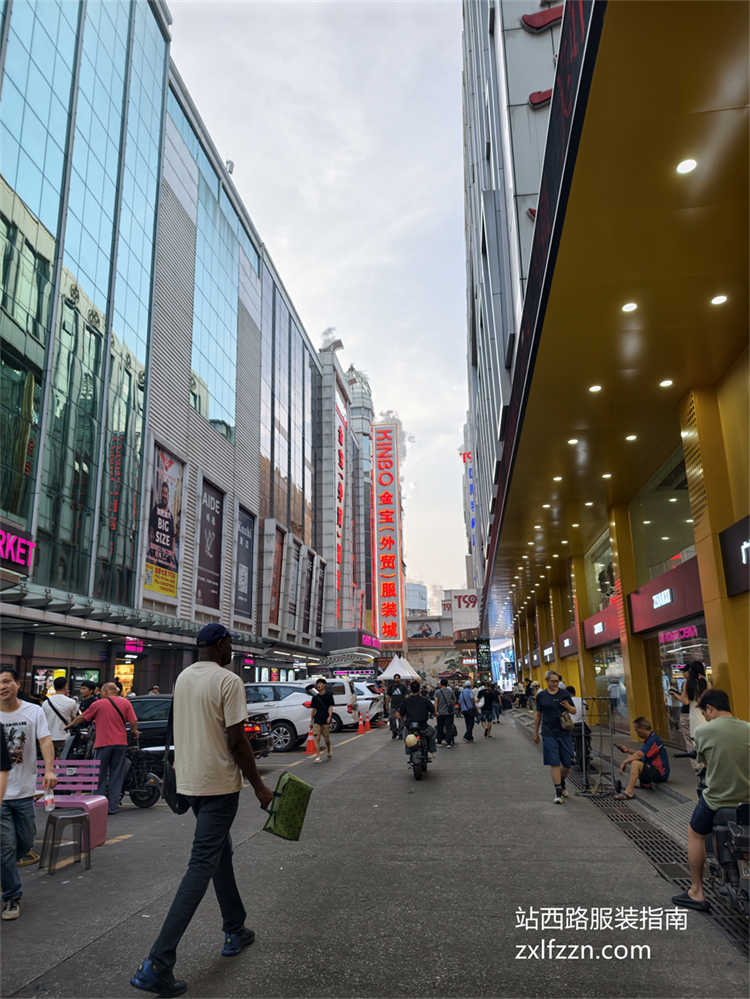
Listen, I've been standing behind my counter in the Jinbao Foreign Trade Clothing City for over fifteen years. You walk into this building and you see a sea of people, mostly African traders, and some Westerners who think they know everything about Chinese wholesale. They call it the "Black Market" because of the crowd, but that label is lazy and wrong. This isn't a shady back alley; it's the beating heart of global fast fashion. When I look out from my shop on the third floor, I don't see chaos. I see a supply chain moving faster than Amazon can ship.
The reality is simple: if you are an importer looking for high-volume, low-cost apparel, you need to be here. But you cannot just show up with a credit card and expect miracles. The station west area, specifically around Jinbao, operates on a different set of rules than your local mall. We deal in bulk, we deal in speed, and we deal in relationships. If you treat us like a retail store, you will leave empty-handed or with goods you can't sell. Let me tell you how the real game is played down here.
Navigating the Floor: Wher to Find What You Need
Understanding the Layout of Jinbao
Jinbao isn't a single monolith; it's a maze of specialized zones. Many new buyers get lost because they assume every floor sells the same thing. That is a rookie mistake. On the lower floors, say the second and third, you will find the heavy hitters of casual wear—t-shirts, polo shirts, and basic denim. These are the items that move the fastest. If you are looking for "Guangzhou Station West clothing," this is wher 80% of your volume should come from.
However, if you want higher quality, more detailed stitching, or specific designs for the US market, you need to go up. The fourth and fifth floors house the premium foreign trade sections. Here, you will find shops that specialize in "Jinbao foreign trade" exports. I remember a buyer from Nigeria last month who wanted to buy $50,000 worth of hoodies. He went to the ground floor first, saw the cheap polyester blends, and walked away angry. He didn't realize he needed to climb two flights of stairs to find the factories that actually produce for European brands. once he found the right section, the price per unit droped by 15% because the quality was better, and the return rate would have been zero.
How to Spot the Real Factories vs. Middlemen
This is the most critical skill you can learn. In the station west market, there are thousands of middlemen. They rent a small booth, take your order, and then run it to a factory in Foshan or Dongguan. You lose money on their margin, and you lose time on shipping. How do you spot them? Look at the stock. A true factory owner has piles of fabric rolls in the back room and unfinished garments hanging on racks. A middleman only has finished boxes stacked neatly. Ask to see the "production line." If they hesitate, run. I once had a client try to buy 2,000 pairs of jeans from a guy who claimed to be a direct manufacturer. He couldn't show me a single sewing machine. Later, I told him to go to Shop 4B-12 on the fourth floor. That shop, owned by Mr. Chen, showed me his own cutting table and gave me a sample within ten minutes. The price was the same as the middleman, but the lead time was three days shorter.
The Art of Negotiation: Beyond the Price Tag
Reading the Room and Building Trust
You cannot negotiate in English alone. While many owners speak broken English, the real deals happen when you understand the culture. Bring a translator if you must, but learn the basics. Don't start by asking for the lowest price. Start by asking about the fabric composition. Show them you know your stuff. If you ask about GSM (grams per square meter) for t-shirts, the owner knows you are serious. In my experience, a serious buyer gets a better price than a tourist. I have seen prices dro from $4.50 to $3.80 just because the buyer asked about the dyeing process and mentioned they were planning a long-term contract.
The "Sample First" Rule
Never place a bulk order without seeing a physical sample. This sounds obvious, but I see it happen every week. Buyers rely on photos sent via WhatsApp, which are often edited to hide flaws. At Jinbao, the rule is strict: pay for the sample, inspect it, and then discuss the bulk price. I recommend taking a portable light source to check the stitching density. If the thread count is low, the garment will pill after five washes. One of my regular clients, a trader from Ghana, used to skip this step. He lost $12,000 on a shipment of winter jackets because the lining was too thin. Now, he brings a seam ripper to every visit. He cuts open the sample to check the internal structure. It takes five minutes, but it saves thousands.
Logistics and Quality Control: The Hidden Costs
Dealing with Shipping and Customs
once you have your goods, the next challenge is getting them out. The station west area is famous for its logistics network. There are warehouses right next to the market that handle consolidation. Do not let your supplier pack the boxes for you unless they are trusted. I always advise my customers to hire a third-party inspector. The cost is minimal compared to the risk. For example, a standard inspection fee is about $100, but it can catch issues like mixed sizes or color variations before the container leaves China. I worked with a supplier named "Golden Star Garments" on the second floor. They are great, but one time, they accidentally packed 500 extra small sizes instead of mediums. My inspector caught it during the pre-shipment check. We fixed it before loading, saving the buyer from a customs nightmare.
Avoiding the Scams
There are scams here, just like anywher else. The most common is the "deposit scam." Never transfer a large deposit to a personal bank account. Use Alipay or WeChat Pay through a verified business account, or better yet, use a trade assurance platform. Another trick is the "fake brand" trap. Some sellers claim their clothes are "replicas" of major brands. Avoid this completely. If you bring these goods into the US or Europe, customs will seize them, and you could face legal trouble. Stick to "unbranded" or "white label" goods. If you want branding, work with a factory that offers OEM services legally. I have a list of reliable partners who specialize in white-label production for African and American markets. They are located on the upper floors of Jinbao and have all the necessary export licenses.
Summary of Key Takeaways for Buyers
| Area/Floor | Best For | Key Tip |
|---|---|---|
| Ground & 2nd Floor | Basic T-shirts, Polos, Denim | Check fabric weight immediately; avoid thin materials. |
| 3rd & 4th Floor | Premium Foreign Trade, Dresses | Look for shops with visible sewing machines in the back. |
| 5th Floor | Custom Orders, High Volume | Negotiate based on long-term contracts, not single orders. |
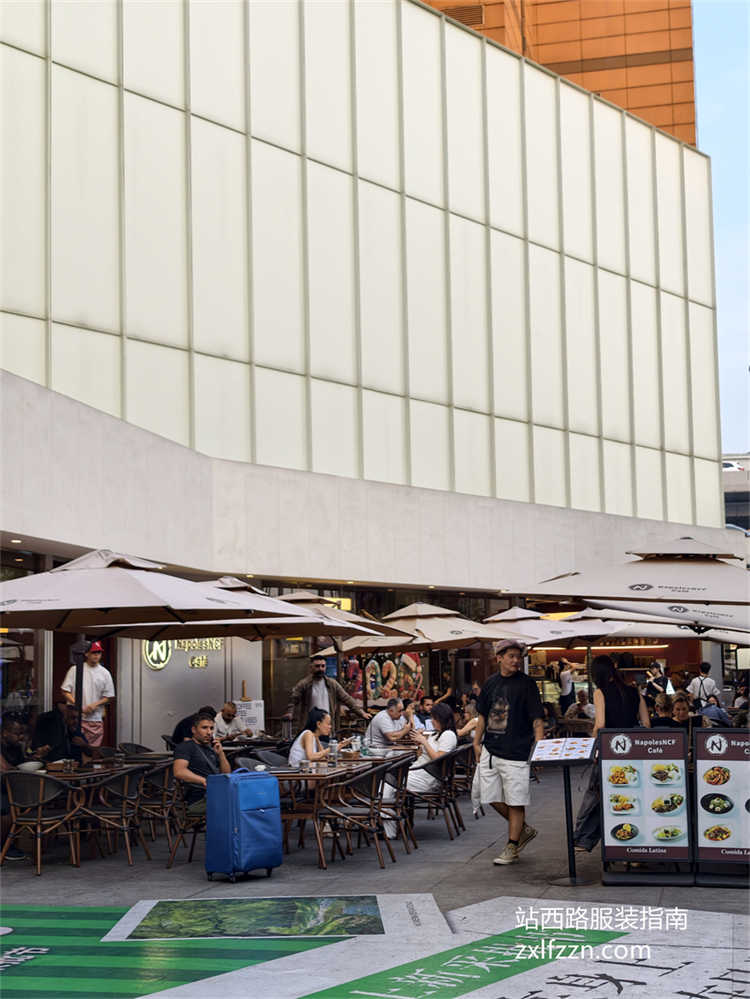
Walking through the bustling streets of Guangzhou Station West can be overwhelming, but it is also the most rewarding experience for any serious importer. The "Jinbao foreign trade" ecosystem is built on efficiency and adaptability. Whether you are sourcing for a local boutique in Lagos or a big-box retailer in Chicago, the key is to be prepared, be skeptical, and build genuine relationships. Don't just buy clothes; buy partnerships. Come to Jinbao, talk to the owners like Mr. Chen or the team at Golden Star, and you will see why this place remains the undisputed king of global apparel sourcing.


 On-site Visits
 Free Sharing
 Avoid Scams
 Updated Frequently
 For Reference Only