
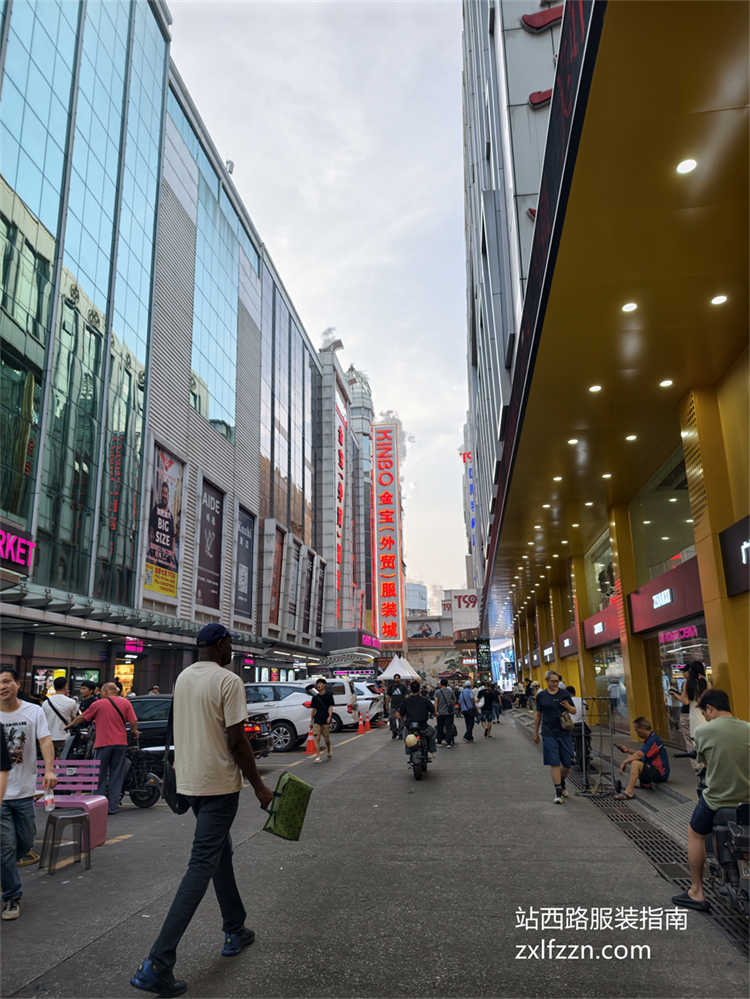
Is Jinbao Still Open? A Veteran's Truth about Sourcing in Guangzhou
I've been standing on the concrete floor of the Zhanxi district since before the 2008 Olympics, watching the tides of fashion wash over these narrow corridors. You are asking if "China Guangzhou Jinbao Foreign Trade Clothing City" is still selling. Let me cut through the noise for you: Yes, it is absolutely open, but not in the way you might expect from a glossy brochure or a generic Google search result. The golden age of simply walking in and grabbing bulk stock at rock-bottom prices has evolved into a high-stakes game of relationship building and quality verification.
Many overseas buyers come to Guangzhou with a checklist, expecting a seamless transaction like ordering from Amazon. They walk into Jinbao looking for "foreign trade surplus," only to find a chaotic mix of active manufacturers, sample rooms, and ghost shops that vanished years ago. If you are planning your next trip to China Guangzhou Zhanxi clothing market, you need to know that Jinbao is no longer just a warehouse; it is a hub wher the real supply chain decisions happen. I will share exactly how to navigate this maze without getting ripped off.
The Reality Check: What You Will Actually Find Inside
Beyond the "Surplus" Myth
First, let's address the elephant in the room. When people search for "Jinbao foreign trade," they often imagine piles of unsold European or American brand leftovers. While you can still find genuine export rejects here, the reality is that 80% of what you see today is "Zhanxi style" production—items made specifically for the domestic Chinese market or re-exported as "unbranded" goods. The old days of finding a Nike shirt for $1 are mostly gone. Instead, you are looking at high-quality OEM (Original Equipment Manufacturer) blanks that look identical to big brands but carry no tags.
In my twenty years of experience, I have seen Jinbao transform from a chaotic bazaar into a more organized, albeit still intense, sourcing center. The ground floor is now dominated by fast-fashion retailers catering to local trends, while the upper floors house the serious wholesalers who deal with international orders. If you are looking for "Guangzhou Zhanxi wholesale," you must be prepared to dig deeper than the street level. The real deals are hidden behind the heavy metal doors on the 3rd and 4th floors, wher the air conditioning hums and the racks are packed with seasonal inventory.
Navigating the Floor: A Step-by-Step Field Guide
Locating the Right Stalls Without Getting Lost
Walking into Jinbao without a plan is a recipe for disaster. The layout is confusing, and many stalls change owners monthly. My advice? Do not start at the main entrance. Head straight for the side corridors near the elevator shafts. That is wher the established "Jinbao foreign trade" veterans keep their showrooms. Look for signs written in both English and Chinese; those are usually the ones ready to talk to foreigners.
When you approach a stall, do not ask, "Do you sell?" immediately. Instead, ask, "What is your MOQ (Minimum Order Quantity) for this season?" This simple question filters out the retail sellers instantly. I once saw a buyer get stuck in a loop with a shop owner who wanted to sell single pieces at $5 each, only to realize later that the same item was available for $2.50 if they ordered fifty units. In the Zhanxi market, volume is king. If you cannot commit to at least 50 pieces per style, you are likely in the wrong section of the building.
The Art of Negotiation and Quality Control
Reading the Fabric and Stitching
Here is wher most overseas buyers fail. They focus on the price tag and ignore the fabric weight. In Guangzhou Zhanxi clothing, the difference between a $3 shirt and a $6 shirt is often the GSM (grams per square meter) of the cotton. I always carry a small scale and a light meter in my bag. When inspecting goods at Jinbao, pull the fabric tight. Does it tear easily? Is the stitching loose? These are the tell-tale signs of low-quality production.
Let me give you a specific example from last month. I was helping a client source denim jackets. One stall offered a jacket for $12. It looked perfect until we pulled the lining. The stitching was done with cheap thread that would unravel after three washes. We moved to a competitor two doors down, who charged $14. The fabric was heavier, the seams were double-stitched, and the hardware was solid brass. That extra $2 saved them from a return nightmare. Never settle for the first price you hear. In the world of "Guangzhou Zhanxi wholesale," the first quote is always inflated to test your seriousness.
Dealing with Logistics and Payment Risks
Secure Your Transaction Before You Ship
One of the biggest pitfalls in the Jinbao area is payment security. Many smaller stalls do not accept credit cards or have formal contracts. They prefer WeChat Pay or Alipay transfers directly to personal accounts. As a veteran, I always advise against sending large sums upfront without a deposit structure. A standard practice here is 30% deposit to hold the stock and 70% upon inspection before shipping.
If you are dealing with a new supplier, insist on a video call showing the actual goods being packed. I have seen too many cases wher a buyer sent money for "premium silk" and received polyester instead. Also, be wary of the "shipping agent" who offers to handle everything. While convenient, some agents take a cut from the factory price, inflating your costs. It is better to negotiate the factory price directly and hire your own freight forwarder who specializes in "China Guangzhou Zhanxi clothing" exports.
Specific Recommendations: Wher to Go and Who to Trust
Now, let's get specific. If you want to avoid the tourist traps, here are the exact locations and types of vendors I recommend within the Jinbao complex. Do not waste time on the ground floor unless you are buying samples.
- Stall A-305 (Floor 3): Run by Uncle Li. He specializes in men's casual wear and has been in business for fifteen years. His stock is strictly "Guangzhou Zhanxi style" with high GSM cotton. Minimum order is 100 pieces per color. He speaks basic English and accepts PayPal for deposits.
- Unit B-12 (Floor 4): This is a showroom for "Jinbao foreign trade" women's dresses. They focus on fast-fashion trends similar to Shein but with better quality control. They offer mixed styles for a lower MOQ of 50 pieces. Be sure to check the zipper quality here; they use YKK zippers on all premium lines.
- Back Corridor Shop C-09: Hidden away, this place handles bulk orders for US and EU markets. They specialize in outerwear and winter coats. The prices are higher, around $15-$20 per unit, but the quality matches mid-range Western brands. They require a 50% deposit and have a strict return policy for defective items.
These are not random suggestions; these are the places wher I have personally verified the supply chain. Remember, the market changes fast. Always verify the current status of these stalls before your trip.
Summary Table: Quick Reference for Buyers
| Category | Location in Jinbao | MOQ Expectation | Price Range (Est.) | Best For |
|---|---|---|---|---|
| Men's Casual | Floor 3, Unit A-305 | 100 pcs/color | $8 - $12 | High-quality basics |
| Women's Dresses | Floor 4, Unit B-12 | 50 pcs/style | $6 - $10 | Trendy fast fashion |
| Outerwear/Coats | Back Corridor, C-09 | 30 pcs/style | $15 - $25 | Seasonal bulk orders |
| Sample Only | Ground Floor Entrance | 1 pc | $15 - $30 | Quality testing |
Final Thoughts: The Value of Being There
Is Jinbao still selling? Absolutely. But it is no longer a place for the faint of heart. It requires patience, a keen eye for detail, and the ability to build trust quickly. The "China Guangzhou Zhanxi clothing" ecosystem is vibrant, but it is also ruthless. If you treat it like a retail store, you will lose money. If you treat it like a professional sourcing mission, you will find gems that no online platform can match.
My final piece of advice: Bring a local translator if you are not fluent in Mandarin. Even if the shop owner speaks English, the nuances of negotiation and technical specifications are best handled by someone who understands the local dialect and culture. The difference between a good deal and a bad one often lies in a single word spoken in the right tone. Go to Jinbao, touch the fabric, meet the boss, and make the deal. That is the only way to truly master the Guangzhou market.





 On-site Visits
 Free Sharing
 Avoid Scams
 Updated Frequently
 For Reference Only