
Why I've Been Selling at Guangzhou Station West for Over Two Decades
If you are reading this, chances are you are an overseas buyer trying to crack the code on sourcing apparel from China. You have probably seen the glossy photos online, heard about "cheap prices," and maybe even tried to navigate the chaos of the internet alone. Let me tell you something straight from my stall in the heart of the Guangzhou Station West clothing market: the internet is a lie if you don't know how to look with your own eyes. I have been standing here since the early 2000s, watching the market evolve from small wooden stalls to massive concrete complexes. I am not a corporate consultant; I am just a local shop owner who knows exactly wher the good stock hides and wher the traps are buried.
The first thing you need to understand is that Station West is not one single building. It is a sprawling ecosystem of interconnected towers, each with its own personality. When people talk about Guangzhou Station West clothing, they are usually referring to this specific cluster near the railway station. Unlike the high-end wholesale districts in Haizhu or Panyu, Station West is all about volume, speed, and the famous Station West foreign trade goods. This is wher the bulk orders happen, wher the margins are thin but the turnover is insane. If you want to buy high-quality boutique items, you might be better off elsewher, but if you want to move thousands of units of trendy streetwear or basic tees, this is ground zero.
Navigating the Labyrinth: Wher to Start Your Hunt
The Golden Rule of First Impressions
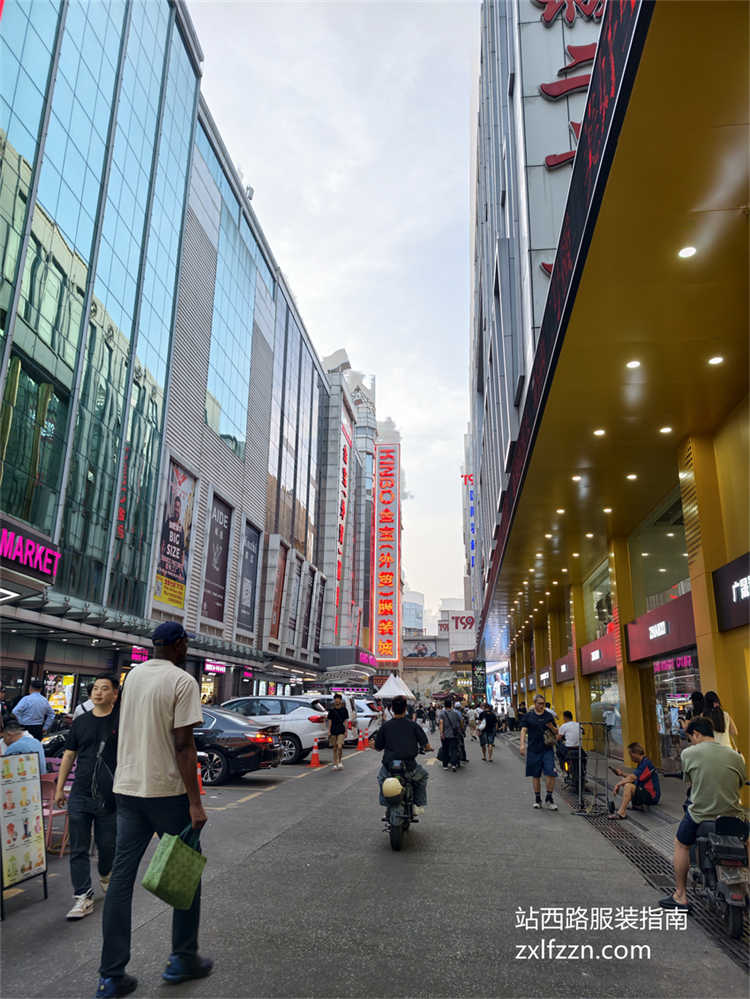
When you step out of the subway or taxi, do not get overwhelmed by the noise. The air smells like fabric dust, fried food, and exhaust fumes. That is the smell of business. My advice? Do not go into the fancy malls first. Go straight to the older buildings like the Jinbao Trade Center or the surrounding blocks. These places house the real Jinbao foreign trade suppliers. They are the ones who deal with the heavy lifting. Many new buyers make the mistake of walking into the shiny, renovated towers expecting to find the best deals. Those places often cater to tourists or very small retailers looking for samples. The big players, the ones who supply the supermarkets and the discount chains across Europe and Africa, are tucked away in the slightly grittier corners.
Dressing the Part
Here is a tip that will save you hours of wasted time: dress like a buyer, not a tourist. Wear comfortable shoes because you will walk miles. Bring a notebook and a pen, not just your phone. In many of these stalls, the owners prefer to write down your order details on paper to avoid confusion later. If you show up in expensive designer clothes and ask for "the cheapest price," you will be treated like a tourist. If you wear simple, practical clothes and speak directly about GSM, fabric composition, and MOQ (Minimum Order Quantity), the bosses will take you seriously. They respect hustle, not flashiness.
The Art of Sourcing: How to Pick the Right Stock
Reading the Hangers
once inside a stall, do not just look at the front rack. The racks facing the door are often filled with "showroom" pieces—perfectly pressed, high-quality samples designed to impress. The real inventory is stacked in the back, sometimes piled on tables or hanging in rows behind the counter. Ask to see the "stock pile." This is wher you find the actual goods available for immediate shipment. When inspecting the clothes, check the stitching. In Guangzhou Station West clothing markets, quality varies wildly between stalls. Some vendors sell top-tier replicas that are indistinguishable from the original brand, while others sell garbage that falls apart after two washes. Feel the fabric. Is it thick enough? Does the color bleed? Touch the seams. If the thread looks loose, walk away.
Understanding the "Foreign Trade" Myth
You will hear terms like "export surplus" or "foreign trade leftovers" constantly. Be careful. While some genuine export overruns exist, much of what is sold as "foreign trade" is actually domestic production made to export standards. This is not necessarily bad; in fact, it often means higher quality control than standard domestic goods. However, do not pay a premium for a label that claims to be "original factory direct" unless you can verify it. At the Jinbao foreign trade centers, you will find hundreds of stalls selling similar styles. Compare them side by side. The difference in price might be fifty cents per piece, but the difference in fabric weight could be significant. Always ask for the fabric swatch before committing to a large order.
Closing the Deal: Negotiation and Logistics
The Language of Bargaining
Negotiation here is a dance. Never accept the first price quoted. The initial quote is always inflated to leave room for bargaining. Start by asking for the "wholesale price" or "bulk price." If you are buying less than 50 pieces per style, expect to pay retail or near-retail rates. But if you are serious about Guangzhou Station West clothing sourcing, aim for quantities that allow the vendor to clear their inventory. A good rule of thumb is to bundle different styles together to reach a higher total value. For example, instead of buying 100 shirts, try to buy 50 shirts and 50 pants. This makes you a more attractive customer because you are helping them move mixed stock. Also, be polite. Smile, say hello, and build a rapport. If the boss likes you, they might slip in a few extra freebies or offer better shipping terms without you even asking.
Inspection Before Payment
This is the most critical step that many overseas buyers skip. Never pay 100% upfront without seeing the final batch. Insist on checking a random sample from the pile you are about to buy. Count the pieces. Check for defects like missing buttons, stains, or uneven hems. In the rush of the market, mistakes happen. If you find a defect, point it out immediately and ask for a replacement or a discount. Most honest vendors will fix it right there. If they refuse to let you inspect, run. That is a red flag. once you are satisfied, agree on the payment method. Cash is king here, but many larger stalls now accept WeChat Pay or Alipay transfers. Avoid carrying large amounts of cash if you can help it.
Final Thoughts: Building Long-Term Relationships
The biggest secret to success in the Station West foreign trade scene is not finding the lowest price once; it is building a relationship. Come back again and again. Show your face. When you become a regular, the vendors will hold the best stock for you. They will call you when new arrivals come in. They will give you priority during peak seasons when everyone else is fighting for space. Treat them with respect, and they will treat you like family. The market changes fast, trends shift weekly, but trust remains constant. So, pack your bags, bring your sharp eye, and dive into the chaos of Guangzhou Station West. It is messy, loud, and exhausting, but if you know how to play the game, it is the most rewarding place to source apparel in the world.




 On-site Visits
 Free Sharing
 Avoid Scams
 Updated Frequently
 For Reference Only