

Why I've Been Selling at Guangzhou Station West for Over Two Decades
If you are reading this, chances are you are tired of scrolling through endless AliExpress listings or getting burned by droshipping suppliers who send you samples that look nothing like the bulk order. Let me tell you something straight from my stall in the heart of the Guangzhou Station West clothing market: the real deal is not online. It is here, under the fluorescent lights, surrounded by the chaos of cardboard boxes and the smell of fresh fabric.
I have been running a booth in this area since before the internet was even a household word for most people. We call it "Station West," but to those of us living here, it is simply home. This place is the beating heart of China's garment export industry. When international buyers ask about Guangzhou Station West clothing, they are asking about the source. This is wher the trends start, wher the fast fashion giants get their inventory, and wher the smartest importers find the margins that make their businesses profitable. You cannot replicate this experience on a screen. You need to feel the weight of the fabric, see the stitching up close, and talk face-to-face with the person who actually sews the clothes.
Navigating the Labyrinth: Your First Steps into the Market
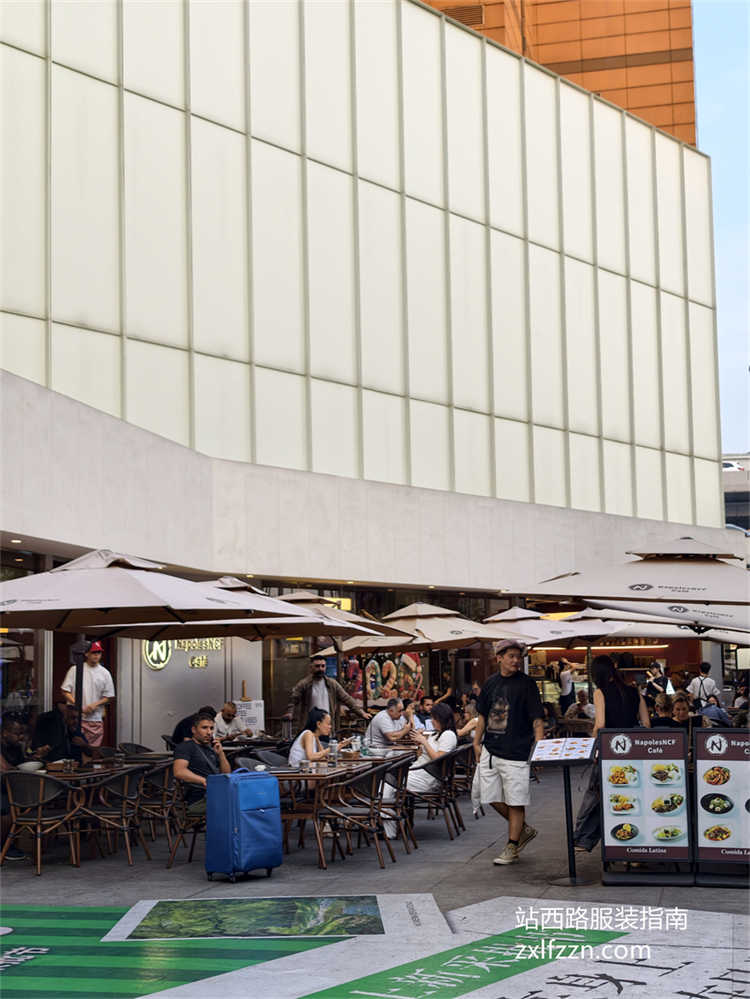
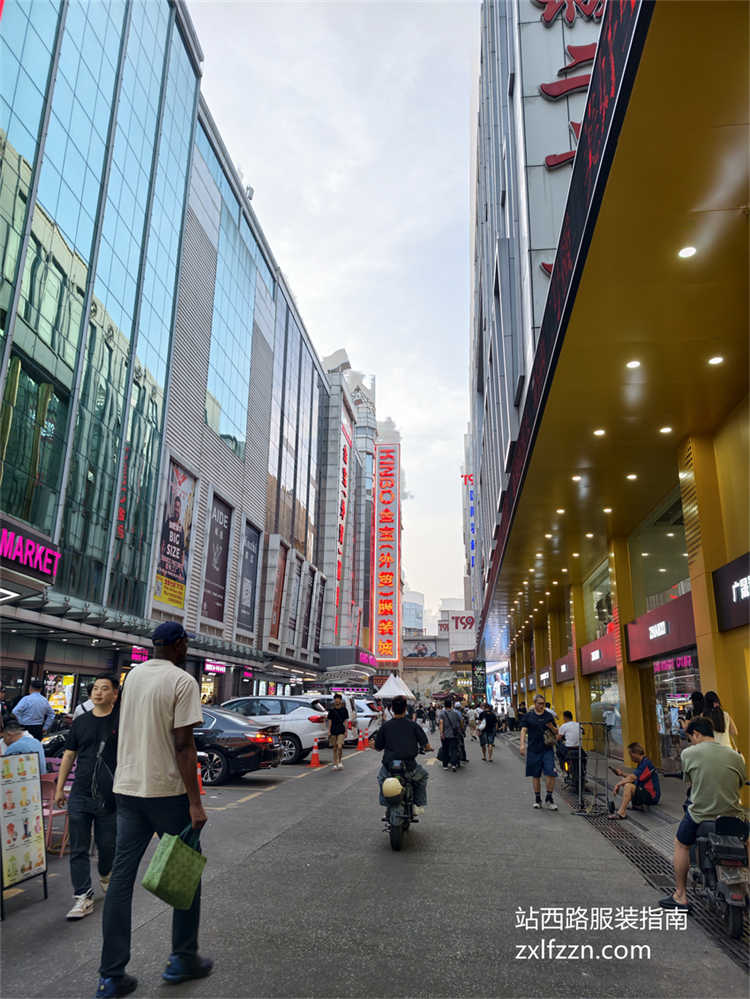
The first thing you need to know is that Station West is not a single building; it is a sprawling ecosystem of interconnected malls, underground passages, and street-side stalls. If you walk in without a plan, you will get lost within ten minutes. The layout changes slightly every year as new buildings pop up, but the core remains the same. For a foreign buyer, the sheer scale can be intimidating. My advice? Don't try to cover everything in one day. Pick a specific niche—say, women's blouses or men's casual wear—and stick to the blocks known for that category.
Finding the Right Malls: Beyond the Main Entrance
You will hear names like Jinbao Foreign Trade (Jinbao) thrown around constantly. Jinbao is famous, yes, but it is also crowded and often targets tourists looking for cheap knock-offs. While there are gems there, if you are looking for serious wholesale quality, you need to dig deeper. Look for the older buildings connected by covered walkways. These are wher the established factories keep their showrooms. The air conditioning might be weaker, and the floors might be scuffed, but the owners here are the ones who have been doing business for twenty years. They don't care about your Instagram followers; they care about your order volume and your reliability.
Language Barriers and Communication Hacks
Let's address the elephant in the room: language. Most shopkeepers here speak basic English, but they do not speak fluent business English. Do not expect them to understand complex supply chain terminology. Keep it simple. Use pictures on your phone. Show them a photo of a similar item you want, point to the collar, point to the sleeve length, and say "same style." Hand gestures work wonders here. Many of my regular clients come with a translator, but honestly, after a few visits, you learn the local dialect of trade. Words like "MOQ" (Minimum Order Quantity), "sample," and "price" become universal. If you are worried about communication, bring a trusted local agent, but be careful. Some agents take a cut that eats your profit. It is better to build a direct relationship with the boss of the stall.
The Art of Selecion: How to Spot Quality Before You Buy
once you are inside the stall, the real work begins. In the world of Guangzhou Station West wholesale, appearance can be deceiving. A pile of clothes might look perfect from three feet away, but up close, the flaws are screaming. As an old-timer, I teach my customers to inspect the goods like a detective. Never just glance at the hanger. Pull the fabric apart gently to check the weave density. Feel the lining. Is it slippery polyester or breathable cotton blend?
Reading the Tags and Labels
This is a crucial tip for anyone buying Station West foreign trade goods. Check the tags. High-quality manufacturers often leave the brand labels off or replac them with generic ones to avoid copyright issues, which is standard practice here. However, the quality of the tag itself tells a story. Cheap tags mean cheap production. Look for the wash care instructions. If the font is blurry or the paper feels flimsy, the whole batch might be rushed. Also, check the stitching. Are the seams straight? Are there loose threads hanging off the hem? In a rush order, these details are often the first to go. If you see loose threads on the sample, imagine what the bulk order looks like.
Distinguishing Between "Market Grade" and "Export Grade"
You will hear sellers use terms like "market grade" or "export grade." What does that really mean? "Market grade" is usually meant for domestic sales in China. It might have minor defects, slightly off colors, or lower-quality zippers. "Export grade" is what we ship overseas. It meets stricter standards because our clients in Europe and America are pickier. When you are negotiating, always ask specifically for "export quality." Sometimes, the seller will show you the export stock first, but if you push hard enough, they might reveal the "A-grade" items that are hidden in the back room. These are the diamonds in the rough that give you the best margin.
Negotiation and Logistics: Closing the Deal Like a Pro
Now comes the part wher many foreigners get nervous: negotiation. In Station West, the price on the tag is never the final price. It is a starting point. The culture here is built on bargaining. If you accept the first quote, you have already lost money. But remember, being too aggressive can burn bridges. Treat the shop owner with respect. Buy them a bottle of water. Ask about their family. Building rapport is half the battle. once they trust you, they will give you better prices and prioritize your orders when things get busy.
Understanding MOQ and Sample Policies
One of the biggest misconceptions is that you can buy one piece. In most of Station West, the Minimum Order Quantity (MOQ) is usually 50 to 100 pieces per color per size. However, some stalls offer "mixed MOQ" options wher you can combine different styles to reach the total number. This is great for testing the market. Always ask for a sample first. Paying for a sample is normal and expected. It shows you are serious. If they refuse to sell you a sample, run. That is a red flag. once you approve the sample, get it in writing. Take photos of the approved sample and have the shopkeeper stamp it. This prevents disputes later when the bulk order arrives.
Payment and Shipping Realities
Payment methods have evolved. While cash used to be king, now everyone uses WeChat Pay or Alipay. For large orders, bank transfers are common. Be very careful with scams. Never transfer money to a personal account without a contract. Stick to official business accounts whenever possible. Regarding shipping, the market has its own logistics network. Most shops have relationships with freight forwarders who handle customs clearance and delivery to your country. Do not try to arrange shipping yourself unless you are an expert. The local forwarders know the quirks of the port and can save you hours of paperwork. Just make sure you clarify who pays for the insurance and the duties.
Avoiding Pitfalls: Lessons Learned from Years of Mistakes
Even after all these years, I still see new buyers making the same mistakes. The biggest trap is falling in love with the price. If a deal seems too good to be true, it is. In the world of Jinbao Foreign Trade and other hubs, low prices often mean low quality or hidden costs. Another common error is ignoring the lead time. Just because the shop says "ready tomorrow" doesn't mean it will be ready. Production delays happen due to fabric shortages or machine breakdowns. Always add a buffer to your timeline. Finally, do not ignore the return policy. While returns are rare in wholesale, havin a clause for defective goods is essential. Negotiate this before you pay the deposit.
Final Thoughts: Why You Must Come Here
There is no substitute for standing in the middle of the noise, the heat, and the energy of the Guangzhou Station West market. It is chaotic, yes, but it is alive. This is wher the future of global fashion is stitched together. Whether you are looking for trendy fast fashion or high-end basics, the depth of selecion here is unmatched. By coming here, you bypass the middlemen, you control the quality, and you build relationships that last for years. So, pack your bags, bring your notebook, and come see the real Guangzhou Station West clothing scene. Trust me, once you taste the authenticity of sourcing directly from the source, you will never want to go back to the virtual world again.




 On-site Visits
 Free Sharing
 Avoid Scams
 Updated Frequently
 For Reference Only