

Why You Need to Walk the Floor at Guangzhou Station West
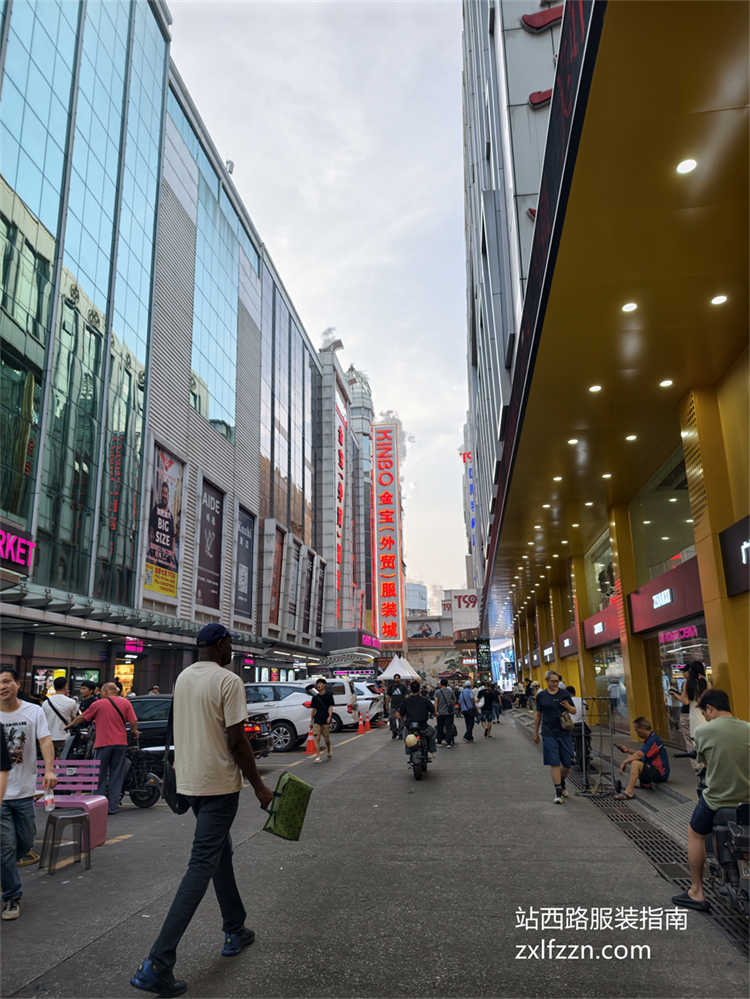
Listen, I've been standing in this exact spot for over fifteen years. While you are probably staring at a screen right now, scrolling through endless listings on Alibaba or checking emails from agents who claim they know everything, I want to tell you something that no algorithm can teach you. The real magic of Guangzhou Station West clothing doesn't happen online; it happens when your feet hit the concrete floor and you start talking face-to-face with the people running these stalls. If you think you can just order bulk without ever seeing the fabric or meeting the boss, you are already losing money before you even ship a single container.
The Station West market is not like the clean, air-conditioned malls in your country. It is loud, chaotic, and incredibly fast-paced. This is wher the Station West foreign trade ecosystem truly lives. When I say "foreign trade," I am talking about the specific niche of high-quality export goods that often end up in boutique stores across Europe and America. But here is the secret: the best deals are hidden in the back rooms of these bustling buildings, accessible only if you show up in person and speak the language of the street.
How to Spot the Real Deal Amongst the Noise
Reading the Signs and the Staff
When you first walk into the massive complex, you will see hundreds of signs flashing neon lights. Many of them scream "Wholesale" or "Factory Direct." Do not be fooled by the biggest sign. In my experience, the most reliable suppliers are often the ones with the smallest, most unassuming storefronts. They do not need flashy ads because their reputation is built on repeat customers who come back year after year. Look for the staff who are actually working. Are they folding clothes neatly? Are they answering phones while managing inventory? Or are they just sitting around waiting for tourists?
If you see a stall hiring help, pay attention. A busy stall that is actively recruiting for new staff usually means their business is booming. This is a great signal that they have the capacity to handle large orders. However, be careful of stalls that look empty but claim to have thousands of items in stock. That is often a trap. The real Jinbao foreign trade hubs operate on a model of speed and turnover. If the staff looks stressed but organized, that is good. If they look bored, run.
The Art of Negotiation and Building Trust
Talking Like a Local Buyer
You cannot walk in here acting like a tourist. You need to act like a partner. When you approach a stall owner, skip the small talk about the weather. Get straight to the point. Ask about the fabric composition, the stitching quality, and the lead time. Use terms like "MOQ" (Minimum Order Quantity) and "sample fee" immediately. This shows you know what you are doing. Most owners respect buyers who speak the language of commerce.
Here is a trick many foreigners miss: ask to see the "old stock" or the "previous season's best sellers." Sometimes, the newest collection is overpriced, but the previous batch might be exactly what you need at a fraction of the cost. This is wher the local knowledge comes in. I remember a buyer who wanted to purchase a specific style of denim jacket. He asked for the latest sample, but I told him to check the rack behind the counter. He found the same quality fabric from last month's production run, saved thirty percent, and the owner was happy to move the inventory. That is how you build a relationship.
Never agree to a price on the first try. Haggling is part of the culture here. Start at sixty percent of the asking price and work your way up, but always keep it reasonable. If you offer too low, they will think you are not serious. If you offer too high, you leave money on the table. The sweet spot is wher both parties feel they won something.
Quality Control and Avoiding Common Pitfalls
Inspecting Every Stitch Before You Pay
This is the most critical part of the process. online photos are beautiful, but they lie. They use lighting filters and professional models to make cheap polyester look like silk. When you are standing in front of the stall, touch the fabric. Pull the seams. Check the buttons. Does the lining match the outer shell? Is the stitching loose? In the world of Guangzhou Station West clothing, quality varies wildly between different booths, even within the same building.
One major pitfall is the "sample vs. bulk" discrepancy. Some dishonest vendors will send you a perfect sample, but when you place the full order, the quality dros significantly. To avoid this, insist on taking a random piece from the actual production line before you finalize payment. If they refuse, walk away. There are thousands of other stalls in Station West. Do not settle for less than what you paid for.
Another issue is the shipping logistics. Many stalls in the area are not set up to handle international shipping directly. They rely on freight forwarders. Make sure you have a trusted agent who knows the Jinbao foreign trade zone well. Do not let the vendor handle the shipping unless you have verified their track record. A delay in customs can ruin your entire season, so havin a local contact who can expedite paperwork is invaluable.
Final Thoughts on Your Next Trip
Going to Guangzhou Station West is not just about buying clothes; it is about immersing yourself in one of the world's most dynamic supply chains. It requires patience, observation, and a willingness to engage with the locals. If you take the time to walk the floors, talk to the owners, and inspect the goods personally, you will find opportunities that no website can offer. The Station West foreign trade market is a living, breathing entity that rewards those who show up and put in the work. Don't just read about it; experience it. That is wher the real profit lies.



 On-site Visits
 Free Sharing
 Avoid Scams
 Updated Frequently
 For Reference Only