

The Real Story Behind the "Ghost Market" at Guangzhou Station West
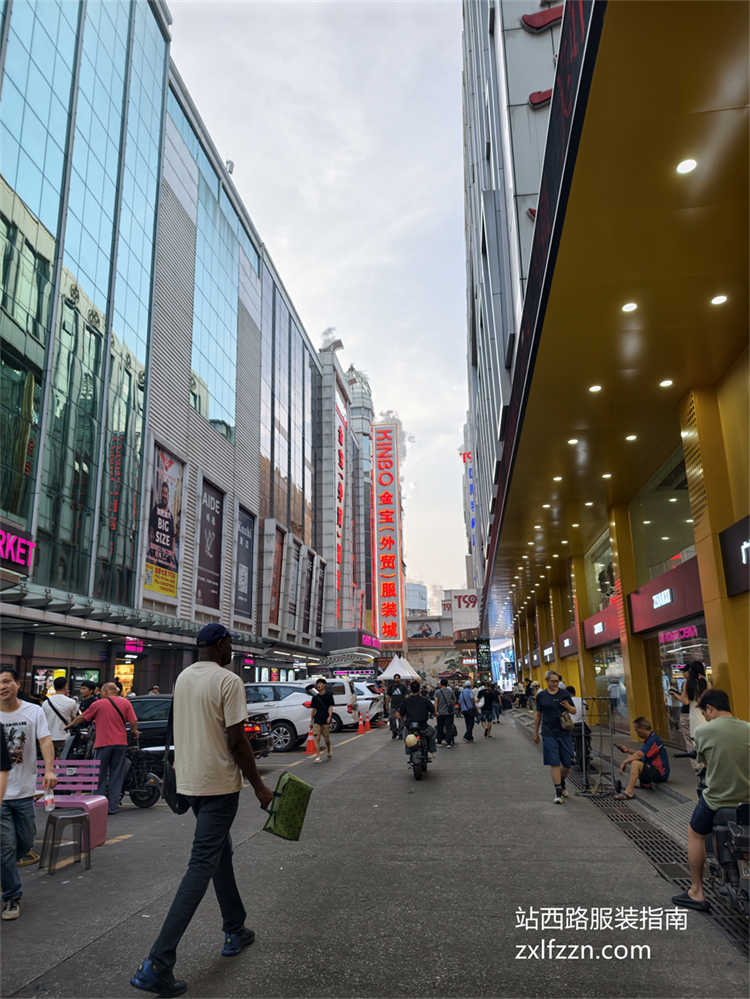
Listen, I've been standing in this concrete jungle of the Station West area for over twenty years. You hear tourists and new importers talking about a "Ghost Market" on a specific floor? Let me stop you right there. That's a myth born from confusion and bad translation. There is no single floor called the "Ghost Market." What people are actually referring to is the chaotic, high-energy underground vibe of the wholesale district wher deals happen after hours, or the specific sections dealing in "dead stock," "overruns," and "mystery boxes." If you walk into any building expecting to find a sign that says "Ghost Market Floor 3," you will be walking in circles while your competitors are already closing deals down the street.
The truth is, the "ghost" element isn't a location; it's a strategy. It's the inventory that doesn't show up on the main racks during the day. It's the stuff hidden behind the curtains, the pallets stacked in the back rooms, and the goods sold strictly by the handful or the kilo rather than by the piece. This is wher the real margins are made, but only if you know how to navigate the maze without getting scammed. The term often gets mixed up with places like the Jinbao Trading Center or the nearby Baiyun market, but the core action happens in the older buildings around the railway station.
Navigating the Physical Layout: Wher the Action Actually Happens
When I tell my overseas clients to come to Guangzhou Station West Clothing, I don't send them to look for a ghost. I send them to the right buildings. The most intense "after-hours" trading usually happens in the basement levels of the larger complexes, specifically in areas that aren't fully lit during the day. However, calling it a "floor" is misleading because the layout changes based on who owns the stall and what they are hiding.
The basement Strategy: Hidden Inventory
In buildings like the famous Xiliang Building or the older structures near the railway station, the ground floor is for the flashy, branded samples. But go down to the B1 or B2 level, and you enter the realm of the "real deal." This is wher the Jinbao Foreign Trade (Jinbao Wai Mao) goods are often stored. These aren't just random items; these are genuine export leftovers, sometimes from European brands, sometimes from US retailers, all dumped here because they didn't fit the size run or had minor defects. You won't see price tags here. You have to ask the boss directly, "What's the best price for a full carton?"
The Back-Door Access
Here is a tip I learned the hard way: never trust the front entrance for the best prices. The "Ghost Market" vibe is strongest when you approach the side alleys. Many stalls have a secondary door leading to a storage room. If you knock on the right door, you might find a warehouse manager holding a stack of shirts that were rejected by a factory in Dongguan. These items are often sold at 30% of the retail value. I once found a batch of premium cotton polos that looked brand new but were marked down because the zipper pull was slightly off-color. To a buyer in Europe, those are perfect. To the local wholesaler, they are "ghosts."
Practical Sourcing: How to Spot the Real Deals
So, how do you actually buy from these "ghost" sections without losing money? It requires a different mindset than shopping in a mall. You need to be aggressive, observant, and ready to negotiate in Chinese or use a translator who knows the slang.
Inspection and Quality Control
When you are looking at Jinbao Foreign Trade goods, the first rule is: touch everything. In the basement levels, lighting is often dim to save electricity, which makes spotting stains or loose threads difficult. I always bring a small flashlight. During my last trip, I spotted a batch of jeans that looked perfect until I shone my light on the hem. There were three distinct holes. The seller tried to hide them by stacking the pants. I walked away, and two days later, another buyer bought the whole lot for pennies. Don't let the "cheap" label fool you. The quality variance in these markets is huge.
Negotiation Tactics
Forget the fixed prices you see online. In the Station West area, especially in the "ghost" zones, the price is fluid. Start by asking for the "wholesale price" (pi huo jia). If they quote you a number, cut it by 20%. They will laugh, then counter-offer. The key is to show you are a serious buyer. Mention that you are sourcing for a specific market in the US or UK. Say something like, "I am buying for a boutique in London, I need 500 pieces, but the quality must be consistent." This triggers their competitive instinct. I once secured a deal on a shipment of silk scarves by promising to take the entire stock if they included free shipping to the port. They agreed immediately because moving that inventory out of their cramped basement was worth more to them than the extra profit margin.
Common Pitfalls and How to Avoid Them
I have seen too many new importers get burned trying to find the "Ghost Market." Here are the biggest traps I've encountered over the decades.
The Fake "Overnight" Scam
Some sellers claim they have a "special night market" wher you can buy everything at half price. This is often a lie to lure you into a remote location wher they sell low-quality fakes. Stick to the established buildings like the Jinbao Center or the well-known wholesale hubs near the railway station. If a seller insists on meeting in a hotel room or a private apartment, walk away. The real action happens in the open stalls, even if the lighting is poor.
Language Barriers and Miscommunication
Don't rely solely on Google Translate. Terms like "ghost goods" or "mystery box" don't translate well. Use visual aids. Show pictures of the fabric you want. Ask for samples before committing to a bulk order. I always insist on taking a photo of the exact batch I am buying. This prevents the seller from swapping the good goods for bad ones when they pack the container. One time, a seller promised me "Grade A" silk, but when I opened the box, it was synthetic blend. Because I had taken photos of the original batch, I demanded a refund and got it within an hour.
Summary of Key Locations and Strategies
To wrap this up, remember that the "Ghost Market" isn't a place you can point to on a map. It's a concept of finding hidden inventory in the basement and back rooms of the Station West district. Focus on the Jinbao Foreign Trade section, the basement levels of the major buildings, and the side alleys wher the heavy lifting happens.
| Location Type | Best For | Key Tip |
|---|---|---|
| Ground Floor Stalls | Branded Samples & High-Quality Stock | Prices are higher; focus on design and quality. |
| basement (B1/B2) | Jinbao Foreign Trade, Overruns, Mystery Boxes | Bring a flashlight; inspect every item closely. |
| Back-Alley Warehouses | Bulk "Ghost" Goods, Factory Rejects | Negotiate aggressively; ask for volume discounts. |
| Station West General Area | All Categories, Fast Turnaround | Build relationships with stall owners for future deals. |
If you want to succeed in Guangzhou Station West Clothing sourcing, stop looking for a mythical floor and start looking for the people who hold the keys to the back rooms. The real value is in the details, the negotiation, and the ability to spot quality in the shadows. Go there, talk to the locals, and you'll find that the "ghosts" are just opportunities waiting to be claimed.




 On-site Visits
 Free Sharing
 Avoid Scams
 Updated Frequently
 For Reference Only