

Why I've Been Selling at Hui Mei for 15 Years: The Real Deal on Guangzhou Station West
I have been standing in front of my stall at Hui Mei Fashion City, right here in the heart of Guangzhou Station West, since before most of you even knew what "droshipping" meant. People often ask me, "Is it still worth coming to Guangzhou?" or "Can I really find high-quality Guangzhou Station West clothing without getting ripped off?" My answer is always yes, but only if you know how to navigate the chaos. This isn't a glossy brochure from a travel agency; this is the raw, unfiltered truth from a local boss who has seen thousands of tourists walk through our doors and leave empty-handed because they didn't speak the language of the trade.
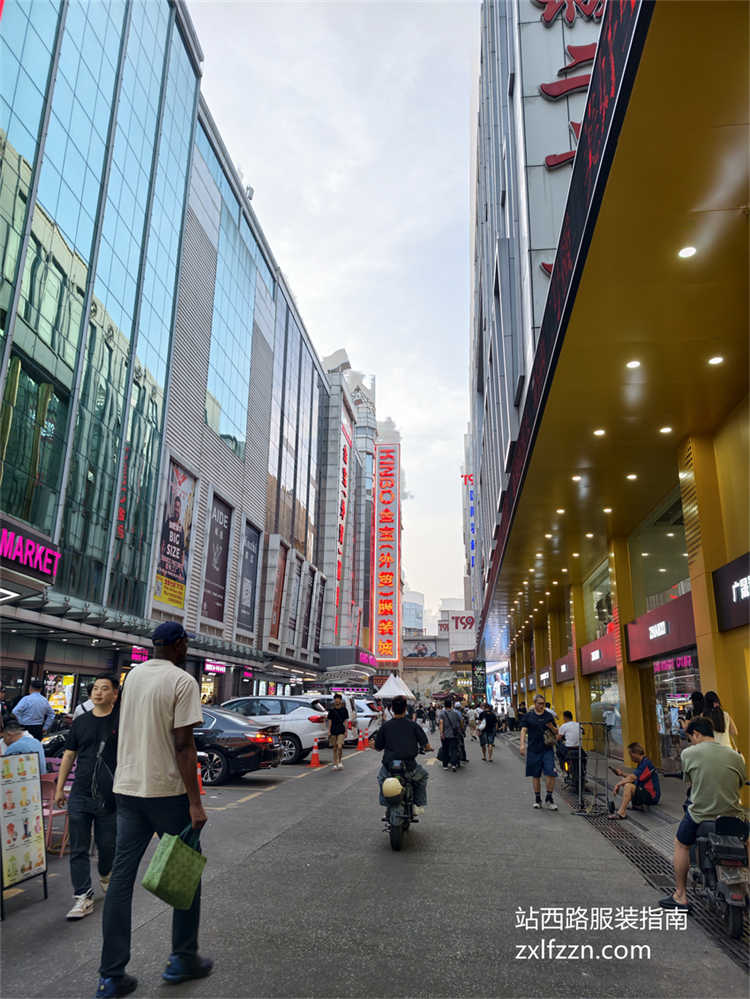
The Station West area is not like the clean, air-conditioned malls in your home country. It is a beast. It is loud, crowded, and smells faintly of sweat and fresh fabric. But inside that noise lies the world's largest supply chain for fast fashion. Specifically, Hui Mei (often called Jinbao Foreign Trade by locals) is wher the real money is made for those who understand the game. If you are looking for Guangzhou Station West wholesale goods, you need to stop thinking like a consumer and start thinking like a buyer.
Navigating the Labyrinth: Finding Your Way Inside Hui Mei
The First Mistake: Walking In Without a Map
When I first started, I thought I could just wander into Hui Mei and find the best stuff. Big mistake. The building is a maze. There are four main towers connected by skybridges, and each floor has a different vibe. Most foreign buyers get lost in Tower A or B, which are mostly low-end knock-offs. If you want quality Station West export goods, you need to head straight for the upper floors of Tower C and D, specifically around the 4th to 6th floors wher the serious exporters operate.
Don't be shy about asking the security guards or the porters. They know exactly which stalls have new stock. I once had a client from New York who spent three hours looking for a specific style of denim jacket, only to realize he was on the wrong floor while his target supplier was just two doors down. The key is to identify the "export" signs. Look for stalls with stacks of bags labeled with international shipping codes or English tags. That is your signal that they deal with Jinbao Foreign Trade clients regularly.
The Art of Sourcing: How to Spot Quality Before You Buy
Touch, Smell, and the "Factory Floor" Test
In Guangzhou, you cannot judge fabric by photos. You must touch it. When I meet a buyer at my stall, the first thing I do is hand them a swatch. I tell them, "Feel the weight." Cheap polyester feels slippery and thin; good cotton blends feel substantial. At Hui Mei, we see hundreds of styles daily. The difference between a $2 shirt and a $8 shirt is often invisible to the untrained eye until you wash it.
Here is a trick I use with my regulars: Ask to see the "factory samples." Many stalls keep a separate rack for their own factory production versus the mass-market goods they buy from other wholesalers. If a stall owner hesitates to show you the factory samples, run. That means they are just a middleman reselling cheap goods. True suppliers in Guangzhou Station West clothing hubs will proudly show you the stitching, the thread count, and the raw material tags. I remember one time a buyer from Brazil wanted to order 500 pieces of a hoodie. He refused to check the lining until we were halfway through the negotiation. By the time he got the goods back, the lining was peeling after one wash. He lost $3,000. Don't let that happen to you.
Negotiation and Logistics: Getting the Price Right
The "MOQ" Myth and the Hidden Costs
One of the biggest misconceptions overseas is that everything in Guangzhou is cheap. It is not. The price depends entirely on your volume. At Hui Mei, the standard Minimum Order Quantity (MOQ) for a single style is usually 50 pieces per color. However, if you are buying mixed styles, some bosses might accept 30 pieces. But be warned: if you try to negotiate a price for 10 pieces, you will be laughed out of the store. That is retail pricing, not wholesale.
Let's talk about the hidden costs. The sticker price on the tag is rarely the final price. You need to factor in packaging, labeling, and shipping. I often advise my clients to bring their own polybags and hangtags to save money. One of my regulars from Canada saves about 15% on every shipment by bringing his own branded packaging materials. Also, never pay the full amount upfront unless you have a long-term relationship. A standard deal is 30% deposit, 70% before shipping. If a seller demands 100% upfront, that is a red flag for a scam.
For logistics, don't rely on the stall owner to ship directly to your country unless you trust them implicitly. Most of us in Guangzhou Station West work with established freight forwarders. I recommend using a forwarder based in Panyu or Haizhu District. They handle customs clearance better than individual shops. I have a list of trusted forwarders who can consolidate goods from multiple stalls in Hui Mei into one container. This is crucial for small buyers who don't have enough volume for a full container load.
Real Stories: Pitfalls and Wins from the Front Line
What Happened When I Lost $5,000
I am not perfect. Early in my career, I tried to source a batch of silk scarves from a stall that looked very professional. They showed me samples that were perfect. The bulk delivery arrived, and the silk was actually polyester blended with a chemical coating to mimic the sheen. It took me weeks to resolve the issue, and I lost $5,000 in inventory. That experience taught me one golden rule: Always inspect the bulk goods before the final payment is released. Never sign off on the invoice until you have physically checked 10-20 random items from the pile.
Another common pitfall is the "color discrepancy." What looks like "navy blue" in the showroom might look "black" under natural sunlight. I always tell my buyers to take a sample outside during the day to check the color accuracy. We have a small courtyard behind Hui Mei wher many of us test colors. If you ignore this step, you will end up with a warehouse full of unsellable goods.
Summary: Your Action Plan for a Successful Trip
To wrap this up, if you are planning a trip to Hui Mei or any part of the Station West market, here is my checklist based on 15 years of experience:
| Step | Action Item | Pro Tip |
|---|---|---|
| Preparation | Bring a translator app and a notebook. | Download offline maps of Station West; internet can be spotty. |
| Location | Go to Towers C & D, Floors 4-6. | Look for "Export" signs and English-speaking staff. |
| Sourcing | Check fabric weight and stitching. | Ask for factory samples, not just display models. |
| Negotiation | Aim for MOQ of 50+ pieces. | Offer to bring your own packaging to lower costs. |
| Logistics | Use a third-party forwarder. | Consolidate goods from multiple stalls for shipping. |
| Inspection | Inspect bulk goods before payment. | Check colors in natural daylight. |
Guangzhou Station West is not easy, but it is the most rewarding place in the world for sourcing apparel. If you treat it with respect, do your homework, and build relationships with people like me, you will find the best prices and highest quality Jinbao Foreign Trade goods that no one else can match. Come visit me at Hui Mei, and let's build something great together.



 On-site Visits
 Free Sharing
 Avoid Scams
 Updated Frequently
 For Reference Only