

Why You Need to Be Here: The Real Story of Guangzhou Station West Men's Wear
If you are reading this, you probably think buying men's suits in China is just a matter of clicking "add to cart" on an app. Let me tell you something straight from the floor of the Station West area: that is a dangerous mistake. I have been running a stall here for over fifteen years, watching thousands of foreign buyers come and go. Some leave with gold, others leave with nothing but headaches and bad inventory. The truth is, the real value isn't in the price tag; it's in the handshake, the fabric touch, and knowing exactly which door leads to quality.
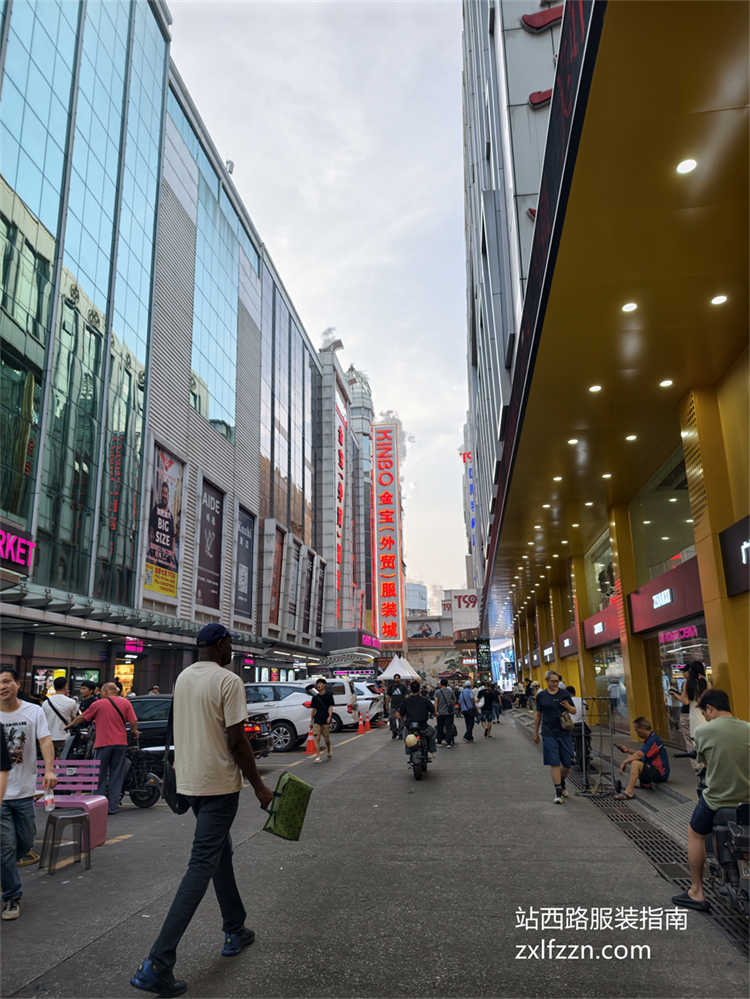
When people ask me wher to find men's wear at Guangzhou Station West, they usually expect a single building name. But the reality is a sprawling ecosystem. We are talking about the Golden Empire (Jinbao), the International Trade Center, and the maze of alleys connecting them. This is not a mall; it is a battlefield of commerce. If you walk in without a plan, you will get lost in a sea of low-quality knockoffs. But if you know how to navigate, you can source high-end menswear that rivals brands like Zegna or Hugo Boss at a fraction of the cost.
Navigating the Labyrinth: Wher the Real Goods Are Hiding
Let's cut through the noise. When you arrive at the Station West district, your first stop must be the Jinbao Foreign Trade City. This is the heart of our operation. Many tourists get confused by the sheer size, but the secret lies in the upper floors. The ground floor is mostly for tourists and low-margin goods. Go up to the 3rd and 4th floors. That is wher the serious wholesalers hide their best men's suit collections.
The Golden Empire Strategy
I recommend focusing specifically on the Golden Empire Building. It is famous for its Guangzhou Station West Foreign Trade reputation. Inside, look for the sections dedicated to "Italian Style" or "British Cut." These aren't just labels; they indicate specific factories. For example, there is a cluster of stalls on the 4th floor near the central elevator that specializes in wool blends. One specific shop, often referred to as "The Blue Door" by locals (though they don't have a permanent sign), has been supplying European boutiques for a decade. They don't advertise online, but if you ask around, you'll find them.
Hidden Gems in the Alleyways
Don't ignore the smaller buildings behind the main plaza. Places like the China Guangzhou Station West Clothing wholesale market extend into these side streets. Here, you will find factories that do direct-to-consumer production. I once found a small workshop in a back alley that produces shirts with thread counts exceeding 120s. They don't have fancy showrooms, but their prices are unbeatable because they cut out the middleman. This is wher you need to dig deep.
The Art of Selecion: How to Spot Quality Without Getting Scammed
Walking into a stall is easy; picking the right product is an art form. In my experience, most foreign buyers make the mistake of looking at the finished garment only. You need to look at the details. When I inspect a suit, I check the lining first. High-quality linings use Bemberg silk or high-grade polyester that breathes. Cheap suits use plastic-like materials that trap heat. Also, check the buttonholes. Hand-stitched buttonholes are a hallmark of true craftsmanship. If you see perfect machine stitching on a "handmade" suit, run.
Fabric and Construction Checks
Here is a trick I learned after losing money on a bad batch: always ask for the fabric composition card. A genuine wool blend should feel cool to the touch and drape naturally. If it feels stiff or shiny, it's likely synthetic. I once bought a batch of 500 jackets that looked great in the light but fell apart after two washes because the inner canvas was glued instead of stitched. That cost me $15,000. Now, I never buy anything without physically pulling the seams apart to check the construction.
The "Sample First" Rule
Never place a bulk order based on a photo. Even if the photo looks perfect, the lighting might be hiding flaws. My rule is simple: take one sample home. Test it. Wash it. Wear it. If the sample passes, then we talk numbers. This might seem slow, but it saves you from ending up with a warehouse full of unsellable junk. In the Jinbao Foreign Trade center, many vendors are willing to send samples, but they charge a fee. Pay it. It's insurance.
Negotiation and Logistics: Closing the Deal Like a Pro
once you've picked your items, the negotiation begins. Prices here are rarely fixed. The sticker price is just a starting point. If you want a good deal, you need to show you are a serious buyer. Don't act like a tourist. Speak confidently, ask about MOQs (Minimum Order Quantities), and mention your target market. Vendors respect knowledge. If you know the difference between Super 100s and Super 120s wool, they won't try to pull a fast one on you.
Understanding the Numbers
Let's talk data. A typical men's suit in a US retail store costs $300 to $600. At Station West, the same quality suit can be sourced for $45 to $80 depending on the volume. However, the catch is shipping. You need to factor in freight costs. A container load might reduce your per-unit cost significantly, but it requires storage space. For smaller orders, air freight is faster but expensive. I advise mixing strategies: ship the core styles by sea and the trendy pieces by air to test the market.
Avoiding the Pitfalls
The biggest pitfall is payment security. Never transfer money directly to a personal bank account unless you trust the person implicitly. Use Alibaba Trade Assurance or a third-party escrow service. Also, be wary of "too good to be true" prices. If a vendor offers a premium Italian wool suit for $20, they are lying. There is no such thing as free lunch in manufacturing. Another common scam is swapping the fabric after you pay. Always insist on a pre-shipment inspection or hire a local agent to check the goods before they leave the factory.
Summary: Your Action Plan for Success
To wrap this up, sourcing from Guangzhou Station West is not for the faint of heart. It requires patience, observation, and a bit of street smarts. But for those who put in the work, the rewards are immense. You gain access to a supply chain that powers the global fashion industry.
| Step | Action Item | Key Tip |
|---|---|---|
| 1. Location | Visit Jinbao & Golden Empire (Floors 3-4) | Avoid ground floor; focus on upper levels. |
| 2. Inspection | Check lining, buttons, and fabric weight | Pull seams; reject plastic linings. |
| 3. Sampling | Order one sample before bulk | Test wash and wear the sample. |
| 4. Negotiation | Discuss MOQs and payment terms | Show industry knowledge to build trust. |
| 5. Payment | Use secure escrow or Trade Assurance | Avoid direct personal transfers. |
Remember, the Guangzhou Station West market is alive and breathing. It changes every day. New trends emerge, new factories open, and old ones close. Stay flexible, keep your eyes open, and treat every interaction as a partnership. If you follow this path, you won't just be buying clothes; you'll be building a business that stands the test of time. Welcome to the real world of Chinese wholesale.




 On-site Visits
 Free Sharing
 Avoid Scams
 Updated Frequently
 For Reference Only